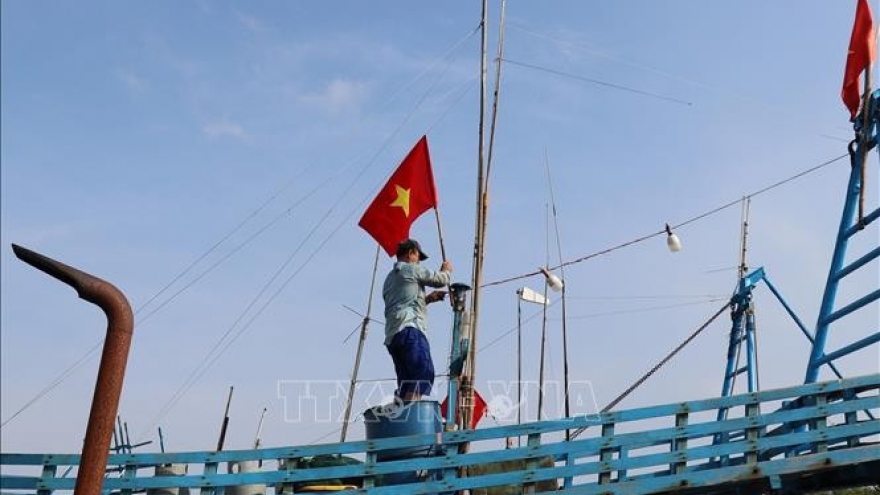
Quang Tri tightens fishing fleet management ahead of EC inspection

The central province of Quang Tri is implementing a range of coordinated measures to combat illegal, unreported and unregulated (IUU) fishing while preparing documentation and conditions for an upcoming inspection by the European Commission (EC).

Quang Tri is currently home to 4,640 fishing vessels of 6 metres or longer. Of these, 2,963 vessels operate in nearshore waters, 327 in littoral waters, and 1,350 in offshore zones, according to the provincial Department of Agriculture and Environment.
All vessels have been registered. The inspection rate certification has reached 94.5%, with 92 vessels overdue, while 98.6% of vessels have been granted fishing licences. The installation of vessel monitoring systems (VMS) has been implemented strongly. Currently, 99% of vehicles required to install VMS have done so, and only 14 have yet to comply.
Monitoring systems are operating 24/7 to detect vessels that lose connection or risk encroaching on foreign waters.
The provincial Fisheries and Fisheries Resources Surveillance Sub-Department is working closely with relevant forces to strengthen monitoring of vessels entering and leaving ports, supervise fishing activities, and promptly handle violations. Vessels are required to maintain VMS signals continuously while warnings are issued if they lose connection or approach maritime boundaries.
In addition, border guard stations at eight river mouths also maintain control of vessel entry and exit, ensuring all are inspected before heading out to sea.
To prepare for the EC inspection, the Quang Tri People’s Committee has issued many directives and detailed plans regarding content preparation, inspection scenarios and logistical arrangements.
The Department of Agriculture and Environment has assigned specific tasks to relevant units to review records and update vessel data on management systems such as VNFishbase, VMS and the electronic catch documentation and traceability system (eCDT).
Coastal localities are also preparing documents and assigning qualified personnel to provide explanations and information for the EC inspection team. At the same time, authorities are enhancing the management of fishing vessels and the monitoring of fishing activities at sea, river mouths and ports.
During a field inspection on March 11, Vice Chairman of the provincial People’s Committee Le Van Bao urged relevant units to enhance communications so fishermen clearly understand legal regulations and improve compliance in fishing activities.
He also emphasised key tasks ahead of the EC inspection, including concentrating vessels of 15 metres or longer at designated anchorage areas for easier management, strictly controlling those that fail to meet operating requirements, and ensuring fishing ports properly follow procedures for vessel monitoring and seafood traceability.
Bao stressed that compliance with fisheries regulations must be maintained not only to serve the EC inspection to help lift the “yellow card” warning, but also as a long-term and consistent effort to ensure sustainable fisheries development.
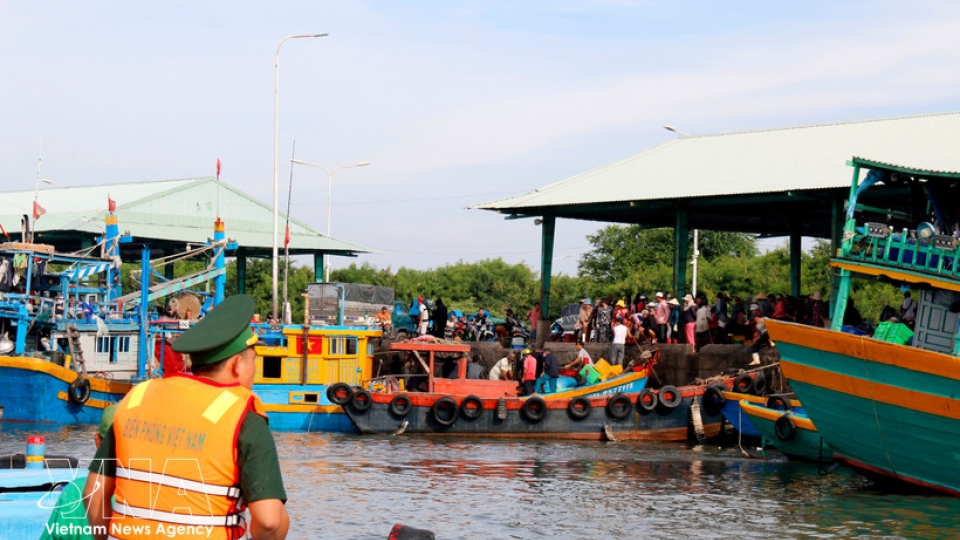
Lam Dong orders swift action to address IUU fishing gaps
Authorities of Lam Dong province have ordered relevant agencies and localities to swiftly address shortcomings and step up measures to combat illegal, unreported and unregulated (IUU) fishing.