Prevention at the core of Vietnam’s drive for sustainable healthcare system

VOV.VN - Vietnam is moving decisively from a healthcare model centred on treatment to one prioritising disease prevention, laying the foundation for a more sustainable system as the country enters a new development phase from 2026 to 2030.

The shift, consolidated through policy reforms completed in 2025, is reflected in the draft Political Report to be presented at the coming 14th National Party Congress.
Health care is identified as a key pillar of sustainable development, with the goal of ensuring longer and healthier lives for the population. The Party has reaffirmed its commitment to developing an equitable, high-quality, efficient and modern healthcare system, with improved access to healthcare services for all people.
Vietnam’s health system has made notable progress in recent years. Health insurance coverage rose from 90.9% in 2020 to 95.2% in 2025, while average life expectancy reached 74.8 years, with healthy life expectancy estimated at around 67 years. Authorities aim to increase life expectancy to about 75.5 years by 2030 and strengthen control of non-communicable diseases.
However, experts say major challenges remain.
Financial sustainability and primary care gaps
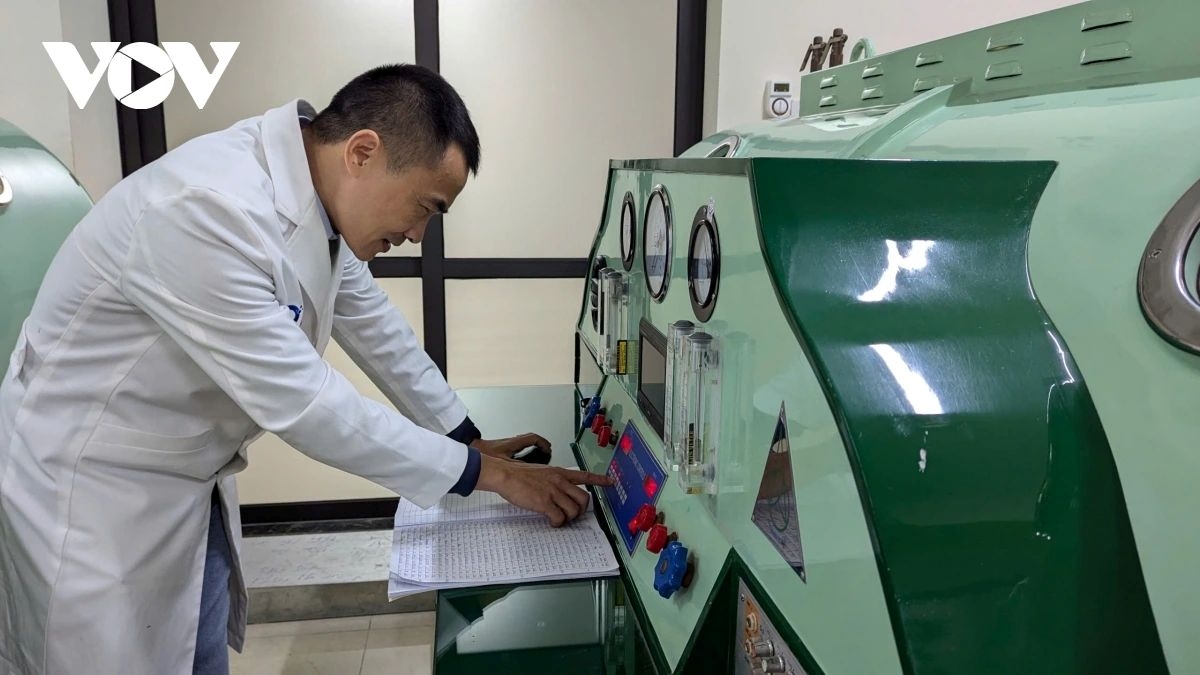
Nguyen Huy Hoang, a physician and member of the National Association of Underwater Medicine and Hyperbaric Oxygen, notes financial sustainability is one of the system’s biggest challenges as the population ages and chronic diseases rise.
Health care must both ensure sufficient resources for treatment and protect people from falling into poverty due to medical expenses, Hoang argues.
Despite high insurance coverage at 95%, out-of-pocket spending is significant, particularly for medicines and services not fully reimbursed. Vulnerable groups, including the near-poor, older people living alone and residents of remote areas, are most affected.
Hoang also points to persistent disparities in access between urban and rural areas, as well as overcrowding at top-tier hospitals, which he says reflects weaknesses in primary care and preventive services.
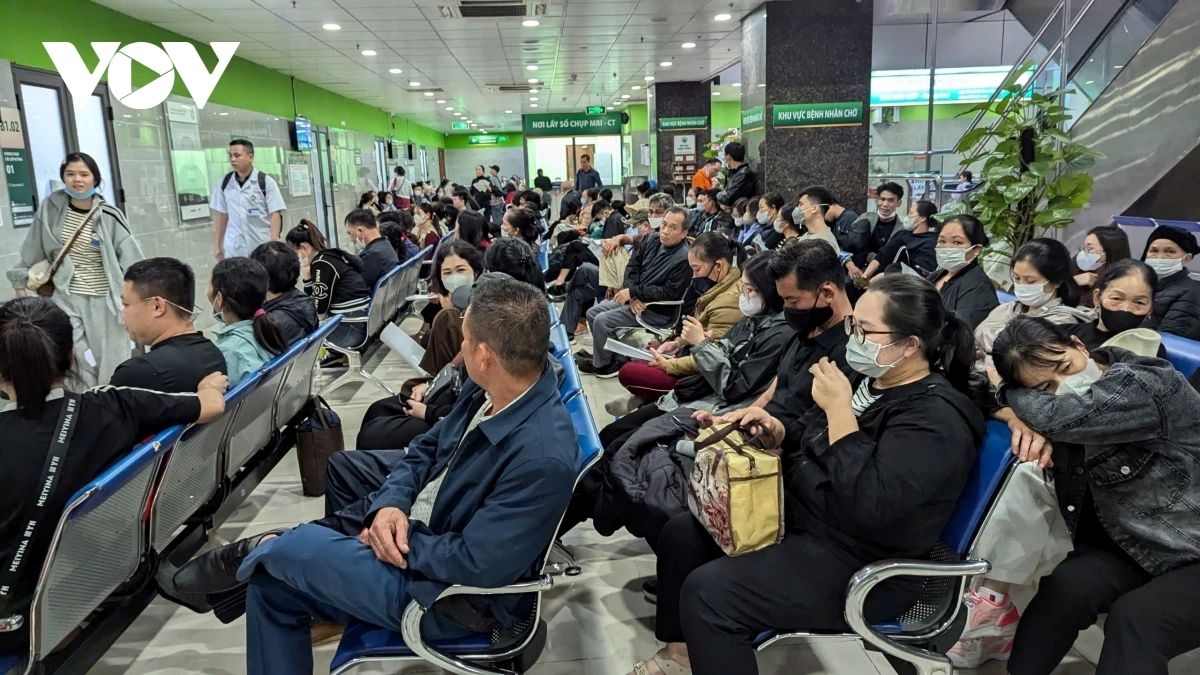
According to the expert, overcrowding at top-tier hospitals is only “the tip of the iceberg” in Vietnam’s healthcare system.
In principle, primary care facilities should manage most common conditions, while higher-level hospitals focus on complex cases,” Hoang says, adding that the reality has been reversed.
Patients often travel to major hospitals even for manageable conditions such as hypertension or diabetes, driven by limited trust in grassroots-level care and payment mechanisms that encourage higher-level facilities to retain patients.
Hoang identifies policy, alongside human resources and infrastructure, as a decisive factor in healthcare quality, citing gaps in staffing and medical supplies at local facilities.
He believes digital health and telemedicine could help narrow access gaps, while calling for stronger health insurance protection for vulnerable groups. In his view, proactive health management and universal electronic health records could ease pressure on major hospitals and improve equity.
Prevention as the cornerstone
Tran Dac Phu, a senior preventive medicine expert at Vietnam’s Ministry of Health, underscores that building an equitable, high-quality and sustainable healthcare system is a consistent priority of the Party and the State in the country’s development path.
The principle is particularly critical in healthcare, where the ultimate goal is to ensure equal access to services for all citizens, regardless of income or location.
Health equity, Phu stresses, must be reflected in equal access to prevention, treatment and health information. “Health is not only an individual asset but a shared national resource,” he says, stressing that equity must be translated into concrete policies and practical action.
He opines that health equity requires prioritising vulnerable groups such as children, pregnant women and older people.
With Vietnam’s population ageing rapidly, population policy is no longer focused solely on birth control but has shifted towards a “population and development” approach, closely linked to health care across the life course.
This means providing continuous care from pregnancy through childhood and into old age, ensuring that health services support people at every stage of life.
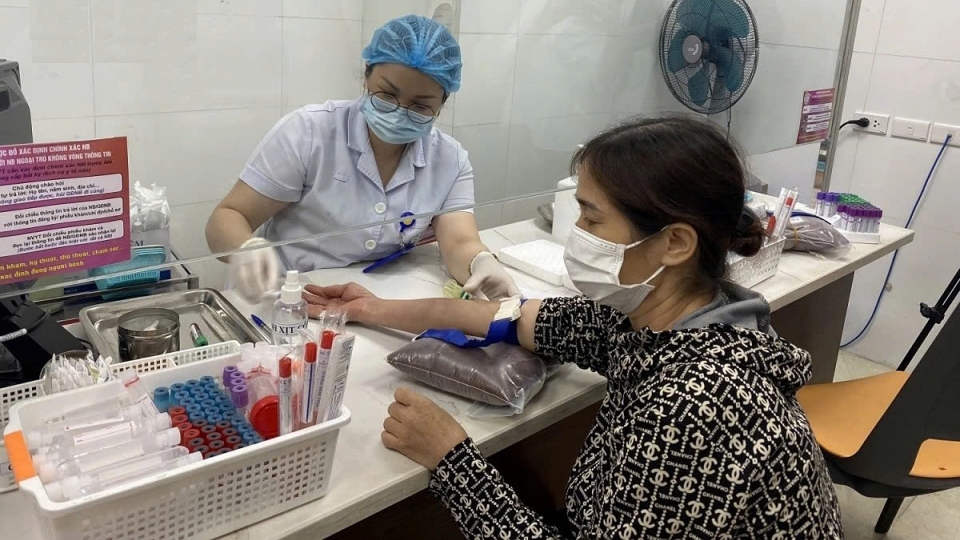
The government has rolled out targeted programmes focusing on disadvantaged, remote and mountainous areas, providing support for low-income groups and expanding access to medical treatment and regular health screening.
Ensuring that people receive at least one health check-up each year is a gradual step towards health equity, says Phu, adding that procurement and tendering bottlenecks that previously led to shortages of medical supplies are being progressively addressed.
Phu also points out that the long-standing emphasis on treatment has driven up costs and strained hospitals, undermining sustainability. A truly sustainable system, he argues, must begin with prevention.
He highlights the Politburo’s Resolution 72 on health care and the newly adopted Law on Disease Prevention as major policy breakthroughs, expanding prevention beyond infectious diseases to include non-communicable diseases, mental health and risk factors affecting population health.
The law also allows health insurance funds to be used for preventive services such as periodic health check-ups and disease screening, marking a shift in financial priorities.
Preventive and primary health care should remain areas of strong state investment, while treatment services could see greater private-sector participation.
Looking ahead to 2026–2030, experts expect digital health, electronic health records and stronger grassroots care to reduce pressure on hospitals and ensure no one is left behind.
The ultimate goal, Phu concludes, is not just longer lives, but healthier lives, noting longevity accompanied by prolonged illness is neither sustainable nor equitable.
Health Ministry drafts roadmap for universal free basic health care
VOV.VN - The Ministry of Health is drafting a plan to gradually introduce universal free basic health care, aiming to eliminate out-of-pocket payments for essential medical services covered by health insurance by 2030, officials said.