


Northern Vietnam braces for cooler weather as warmer winter forecast

VOV.VN - Northern Vietnam is forecast to see showers and thunderstorms as cold air moves in at the start of November, while meteorologists expect the winter of 2026–2027 to be warmer than average, with fewer days of severe cold.
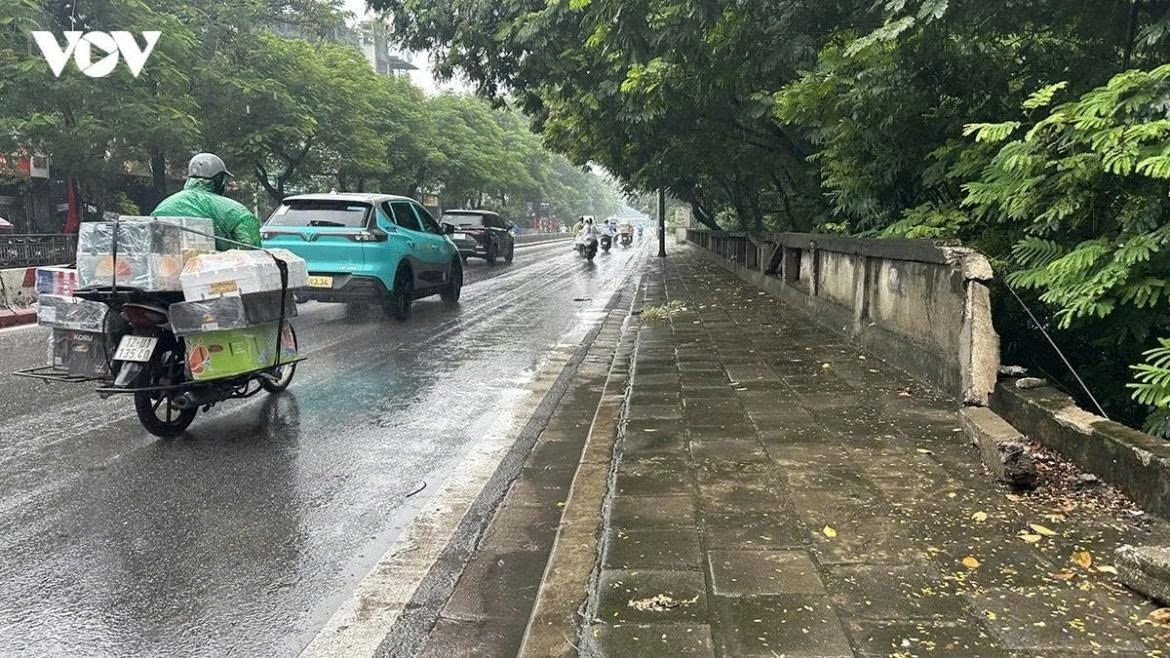
The National Centre for Hydro-Meteorological Forecasting said northern areas would remain sunny on November 1, with daytime temperatures reaching 30–34°C in many places. Showers and thunderstorms are expected in some areas overnight and on November 2 as a cold air mass begins to affect the region.
Two successive cold air surges are forecast in early November. The first, expected around November 2–3, is likely to bring a modest drop in temperatures. A stronger surge is forecast for November 5–7, when daytime temperatures in the north could fall to around 27–30°C, with lower readings in mountainous areas.
The incoming cold air is expected to bring cooler conditions rather than a prolonged spell of cold weather. However, thunderstorms may produce lightning, strong gusts and, in some locations, heavy rain.
El Niño raises prospect of a warmer winter
The National Centre for Hydro-Meteorological Forecasting expects El Niño to stay very strong from November 2026 to January 2027, with a probability of 96%. The phenomenon is forecast to weaken gradually thereafter but could continue into the first half of 2027.
Average temperatures nationwide in November are forecast to be 1–2°C above the long-term average. In December 2026 and January 2027, temperatures are set to remain 0.5–1.5°C above average, although the Central Highlands and southern Vietnam could see larger deviations.
In northern and north-central regions, cold air activity is expected to be weaker than average. Periods of severe and damaging cold may arrive later than usual, and the number of days with these conditions is forecast to be below the long-term average.
However, a warmer seasonal average does not rule out sharp, short-lived cold spells. Mountainous areas in the north may still experience significant temperature drops when stronger cold air masses arrive.
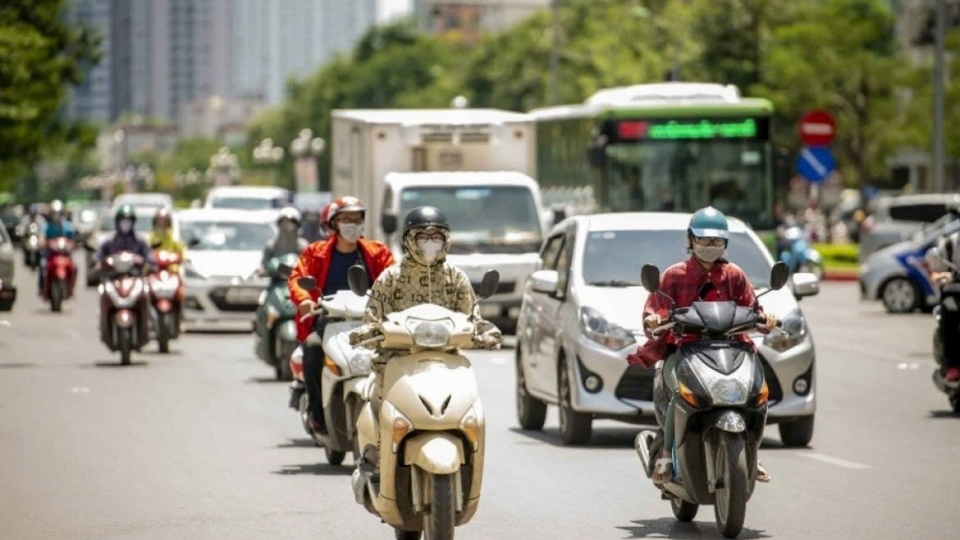
Why is northern Vietnam still unusually hot in late October?
VOV.VN - Northern Vietnam continues to experience unseasonably high temperatures in late October, with some areas exceeding 34°C as El Niño, global warming and prevailing weather patterns contribute to the persistent heat.


