Misleading claims on religious freedom contradict reality in Vietnam

VOV.VN - Despite notable progress in ensuring freedom of belief and religion, several international organisations have continued to issue assessments that misrepresent the religious situation in Vietnam, drawing concern from observers who stress the need for objective, evidence-based evaluations.
In its country report released in late 2025, the US Commission on International Religious Freedom (USCIRF) reiterated its claim that Vietnam continues to engage in “systematic, ongoing, and egregious violations of religious freedom,” particularly affecting “unregistered” or “independent religious groups.” The report urged the US government to consider designating Vietnam as a “Country of Particular Concern” (CPC).
According to People’s Daily (Nhan Dan), the USCIRF assessment follows a familiar approach, alleging that Vietnam “regulates and controls religion through state-sponsored religious organisations,” restricts the activities of “independent religious communities,” and applies religious laws inconsistently, resulting in what it characterizes as “repression” or “restrictions” on believers.
However, analysts note that the 2025 report relies heavily on isolated cases and testimonies from opposition-linked organisations or groups that have not completed legal registration procedures, while overlooking the broader legal framework and social context in which religious activities are regulated in Vietnam.
Analysts point out that under international law, religious organisations, like all civil entities, are required to operate in accordance with national legislation.
Vietnam’s legal framework explicitly guarantees freedom of belief and religion. Article 24 of the 2013 Constitution states that “everyone has the right to freedom of belief and religion, to follow or not follow any religion,” and affirms that all religions are equal before the law. The State respects and protects this right, and at the same time prohibits the abuse of religion to violate the law.
The Law on Belief and Religion, adopted in 2016, along with implementing decrees, has established a transparent legal framework consistent with international human rights treaties to which Vietnam is a party, while reflecting the realities of a multi-religious and multi-ethnic society.
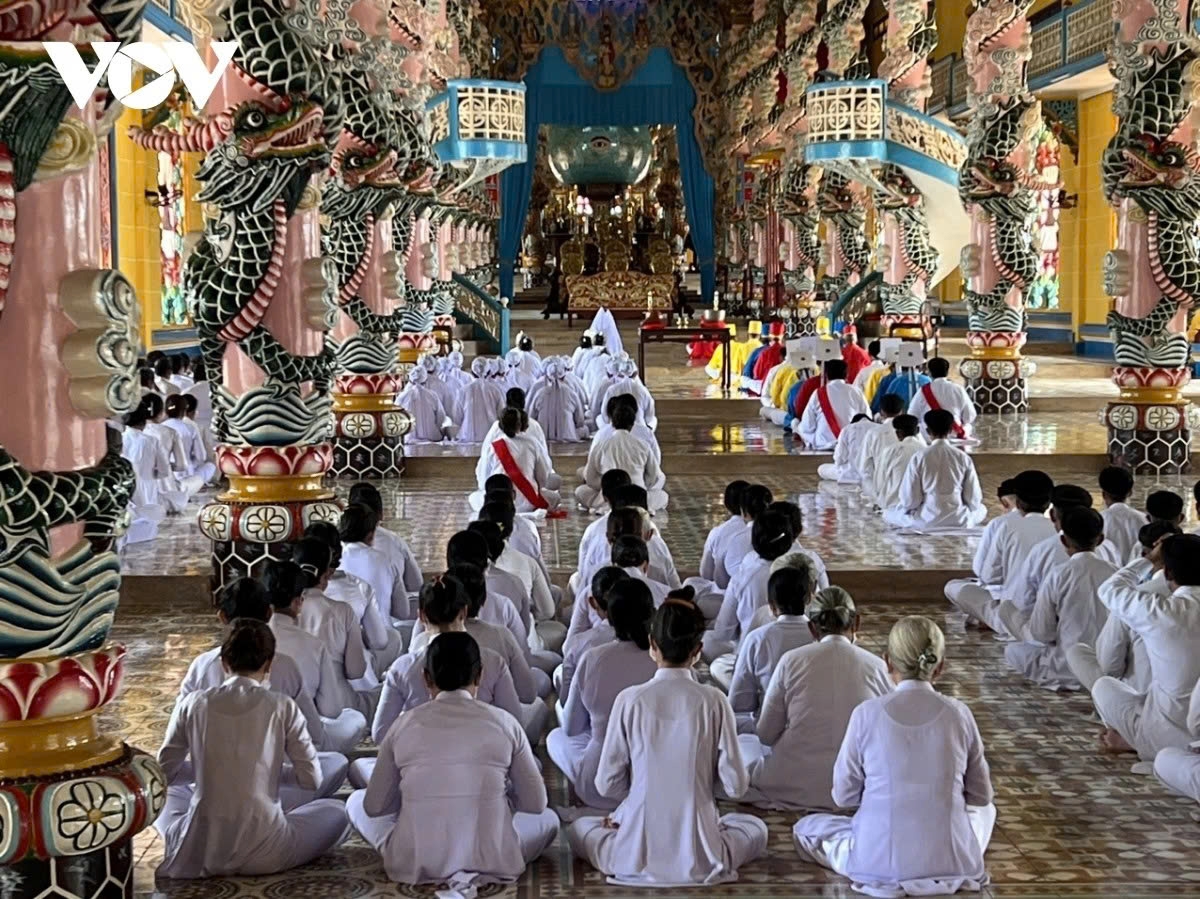
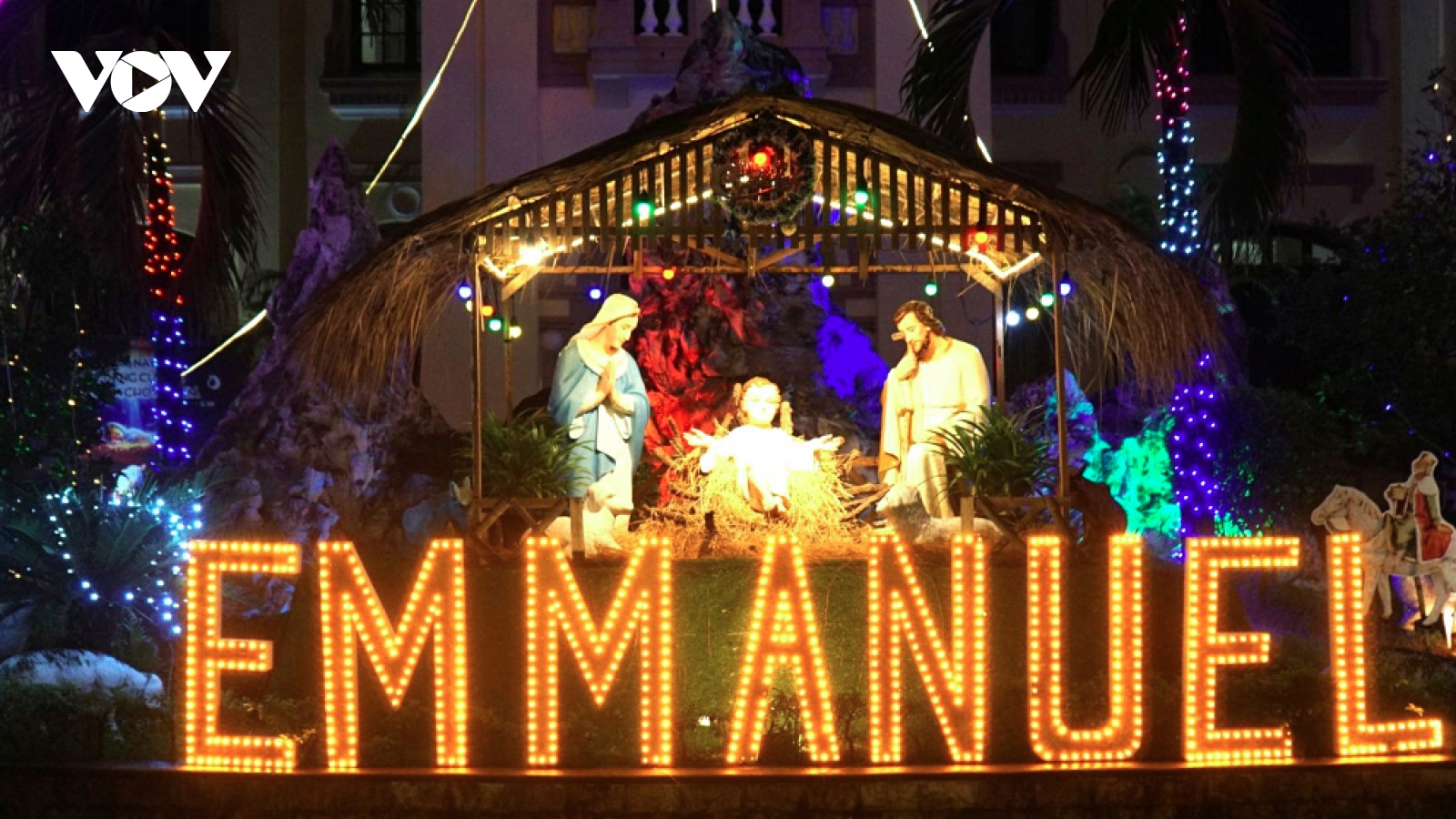
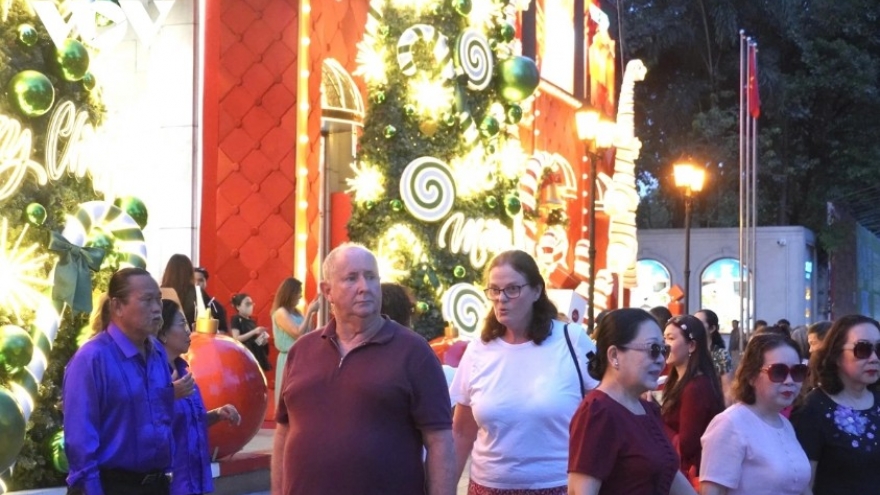
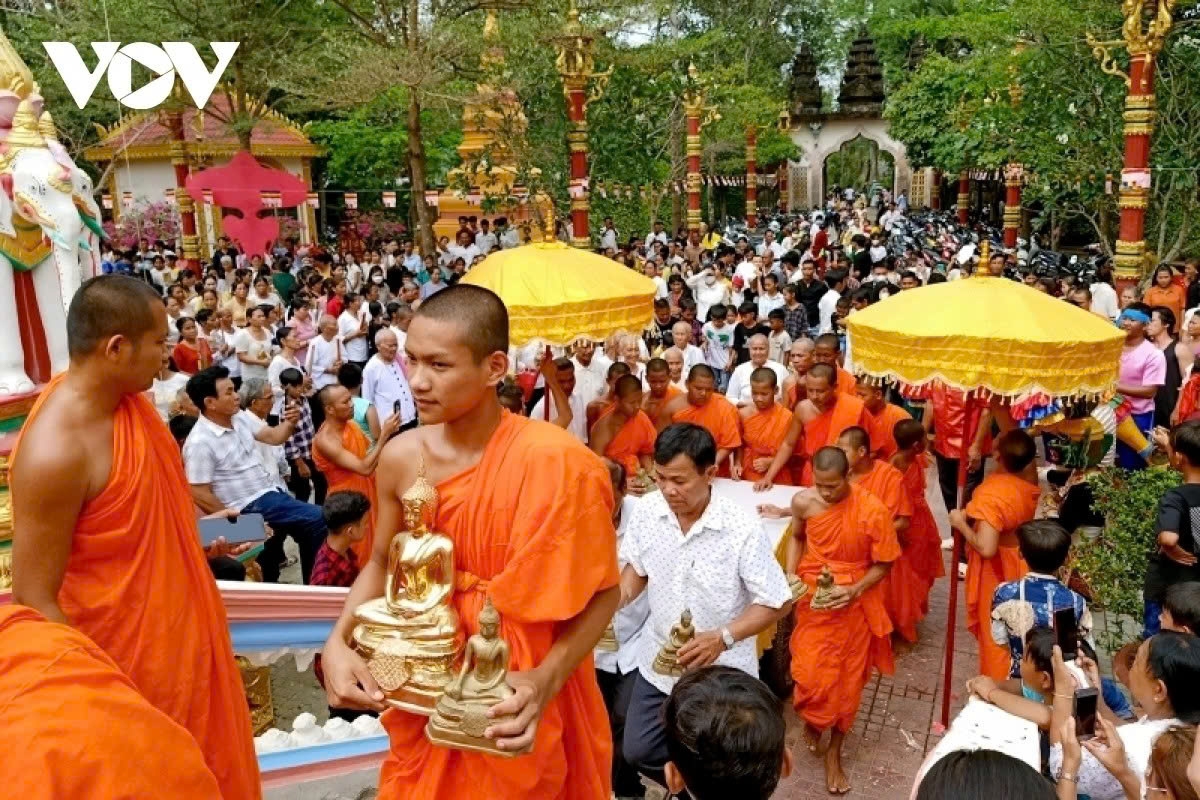
According to the Ministry of Ethnic and Religious Affairs, Vietnam currently has more than 27 million religious followers, accounting for approximately 27% of the population, along with over 54,000 clergy members, 144,000 religious workers, and nearly 30,000 places of worship nationwide.
Religious organisations actively encourage followers to comply with national laws and participate in social welfare, charitable activities, and patriotic movements, contributing to social cohesion and national unity.
International engagement in religious affairs has expanded steadily. Since 2011, nearly 2,000 Vietnamese religious personnel have traveled abroad for training and international conferences, while close to 500 foreign delegations, comprising more than 3,000 religious representatives, have visited Vietnam for exchanges and religious activities.
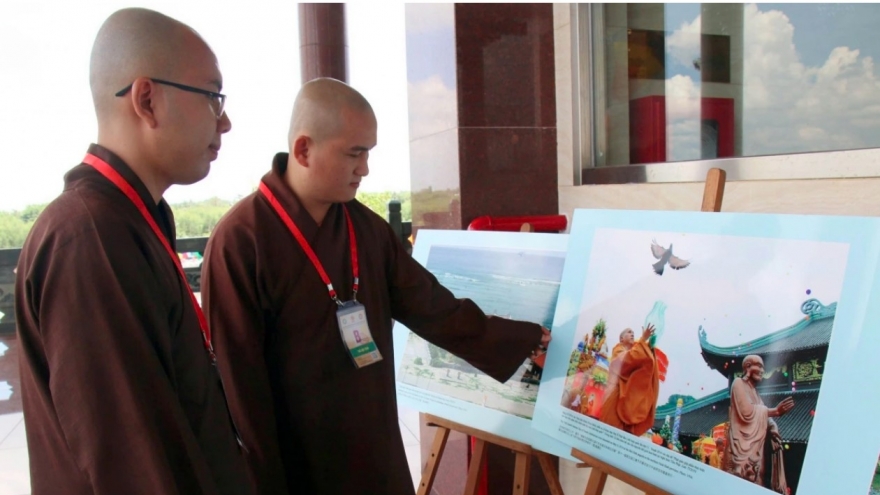
Vietnam has also hosted major international religious events, including the Dominican Order’s General Chapter (2019), the Federation of Asian Bishops Conferences (FABC 2023), the “Love Season 2024” evangelistic music programme organised by the Billy Graham Evangelistic Association in Can Tho, and the United Nations Day of Vesak 2025 in Ho Chi Minh City, which drew participants from more than 80 countries.
These developments, observers say, present a markedly different picture from the one-dimensional narrative portrayed in the USCIRF report.
Under international law and the United Nations Charter, each country has the sovereign right to formulate and implement religious policies in line with its historical, cultural, and security conditions. In Vietnam’s case, managing religious activities requires balancing individual freedom of belief with public order and social stability, a principle applied in many countries worldwide.
The fact that certain groups have not yet been legally recognised does not equate to a denial of religious freedom, but rather reflects a legal process requiring organisations to comply with national regulations before gaining official status.
Experts warn that continued assessments based on selective information and limited dialogue risk undermining constructive cooperation between Vietnam and its international partners, including the United States, in the field of human rights and religious freedom.
Freedom of religion is a universal value. Evaluating its implementation, however, must be grounded in objective data, contextual understanding, and respect for national sovereignty, rather than relying on narrow or one-sided perspectives. Such unfounded criticisms merely strike a discordant note among voices that lack goodwill towards Vietnam and are destined to fade into obscurity.
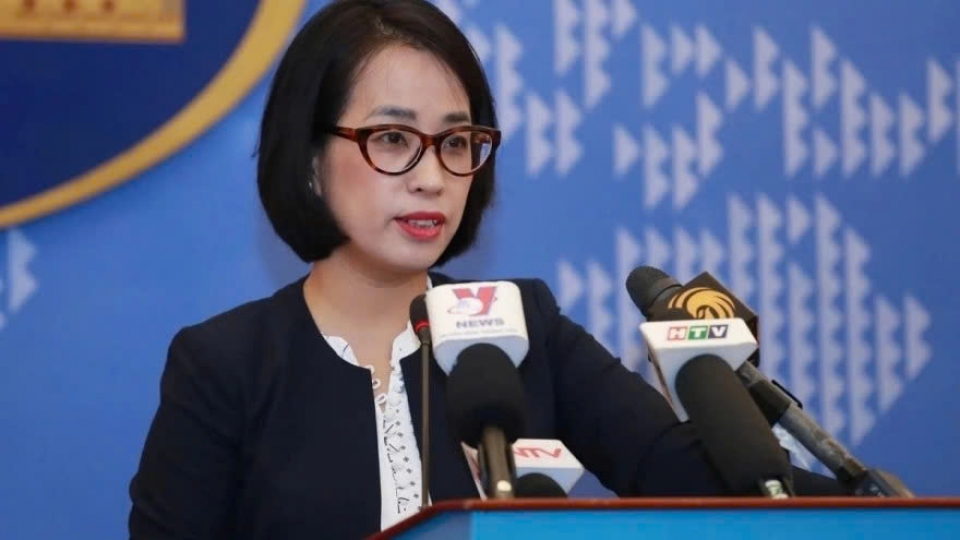
Vietnam rejects biased, inaccurate claims in USCIRF religious freedom report
VOV.VN - Vietnam has firmly rejected what it described as “biased and inaccurate” assessments contained in a recent update on religious freedom released by the US Commission on International Religious Freedom (USCIRF).