


Measures sought to empower women in digital transformation

Practical solutions to help women strengthen their digital skills, apply technology in various aspects of life, and gain equal access to development opportunities were discussed at a national scientific seminar in Hanoi on November 6.
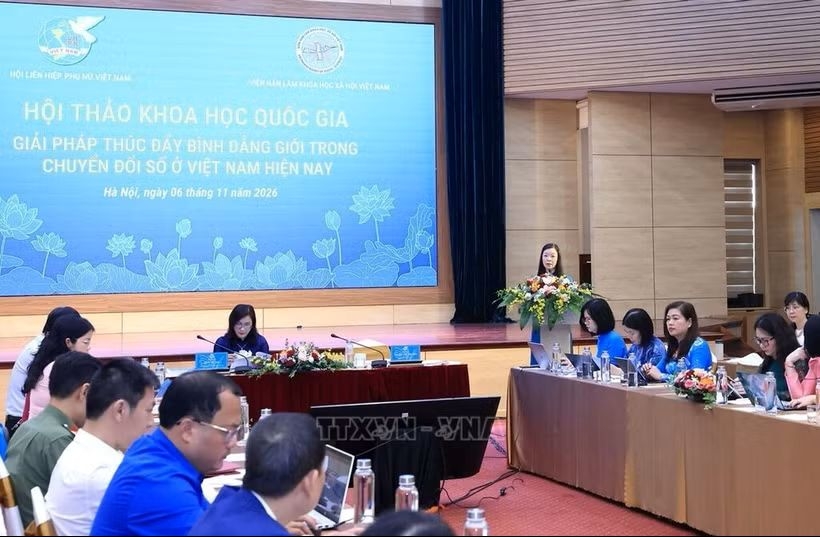
The event, entitled “Solutions to promote gender equality in digital transformation in Vietnam”, was jointly organised by the Vietnam Women's Union (VWU) Central Committee and the Vietnam Academy of Social Sciences (VASS) to share research findings and practical experience, and propose measures to ensure women benefit equally from the digital transformation.
In her opening remarks, Nguyen Thi Thu Hien, vice president of VWU, said the accelerated implementation of the Politburo’s Resolution No. 57-NQ/TW, on breakthroughs in science and technology development, innovation and national digital transformation, requires enhanced capacity and equal opportunities for women to participate in the digital transformation process.
Promoting gender equality in digital transformation, she said, will not only help safeguard women’s rights and interests but also enable them to bring their potential, creativity and contributions to national development.
Vietnam has made significant progress in promoting gender equality in recent times. According to the World Economic Forum’s Global Gender Gap Report 2026, the country achieved 97.1% gender parity in education and 75.2% in economic participation and opportunity, placing it among the world’s 50 best-performing economies.
However, Vietnam ranked 84th out of 145 economies in the overall gender gap index, down 10 places from 2025. Disparities remain between women and men in employment, income, access to resources and participation in science and technology.
Gender stereotypes, coupled with domestic workloads and caregiving responsibilities, continue to limit women's opportunities for learning, working and achieving comprehensive development. This highlights the need to identify the underlying causes, determine priority areas for narrowing the gender gap, and address barriers affecting women's opportunities in the digital transformation process.
Delegates noted that digital transformation offers women greater opportunities to study, seek jobs, start businesses, expand production and markets, access financial, healthcare, education and social welfare services, and participate in social life.
These opportunities can help narrow gender gaps, but women’s ability to access and benefit from them varies according to their access to devices, internet connectivity, digital skills and support resources, delegates said, adding that the process also raises broader gender equality concerns beyond difficulties in accessing and using technology.
The participants stressed that gender equality in digital transformation requires more than access to technology; it must also ensure women’s ability to use technology safely and participate in shaping the process. Support should help women adapt to labour market changes, expand employment opportunities and participation in science and technology, and equip them to master technology, innovate, contribute to decision-making and benefit equally from digital transformation.
Discussions also focused on the state of gender equality in digital transformation, barriers to women’s access to and participation in technology development, and the effects of digital technologies and AI on women’s jobs, incomes, development opportunities and online safety, particularly for women and girls.
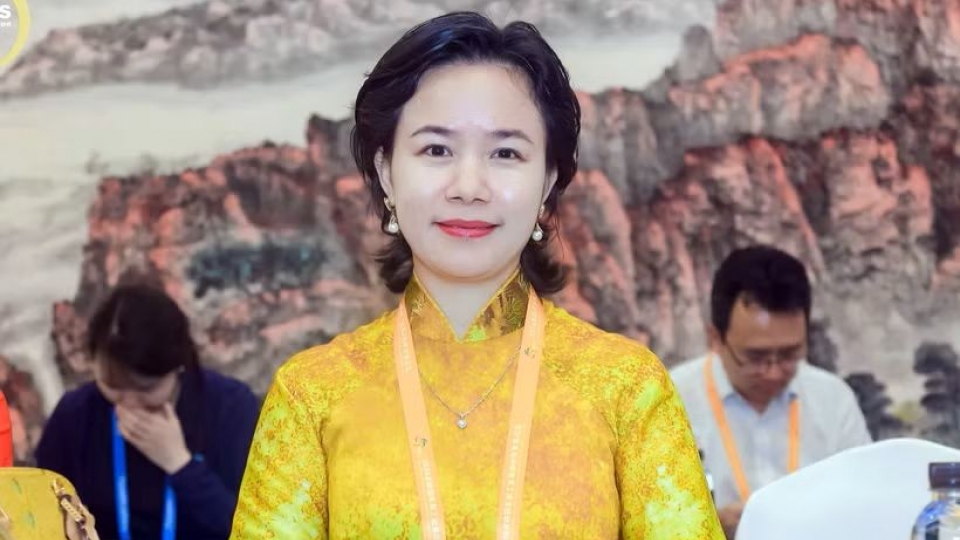
Overseas Vietnamese women offer ideas for national development
Overseas Vietnamese female intellectuals and businesswomen have voiced their opinions on the practical significance of Politburo Resolution No. 23-NQ/TW, on work relating to Vietnamese people abroad, along with their specific proposals to further enhance the community’s contributions to national development.

