


Mastering integration technology for Vietnam's competitive robotics industry

VOV.VN - As artificial intelligence (AI), automation, and robotics reshape global manufacturing, Vietnam has an opportunity to deepen its participation in the robotics value chain.
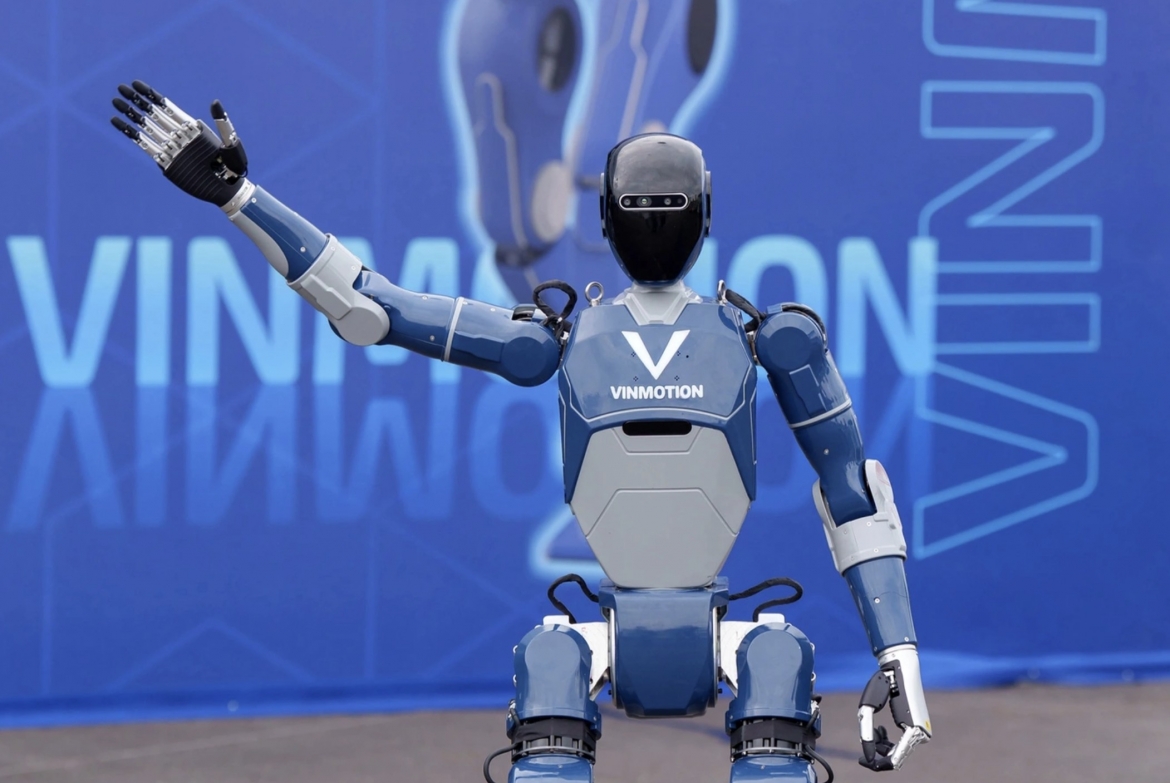
However, rather than only receiving, assembling, and operating equipment, the country must progressively master integration technology, control software, AI applications, and the commercialization of robotics solutions.
In reply to a media interview in Singapore, Assoc. Prof. Dr. Duong Minh Hai from the National University of Singapore notes that Vietnam holds distinct advantages thanks to its industrial manufacturing base, industrial park network, foreign direct investment inflows, and technical workforce. Decision No. 1131 dated June 12, 2025, which designated robotics and automation as strategic technologies, provides a clear regulatory foundation to spur research and applications across manufacturing, logistics, agriculture, and processing.
According to the expert, Vietnam should not aim to self-manufacture all components and robotics systems immediately due to high capital requirements and intense market pressure. Instead, the focus should center on three high-leverage domains: software and AI development for robotics, system integration, and sector-specific robot design. Core capabilities, including control engineering, computer vision, autonomous mobile robot management, assembly line design, and equipment connectivity, must be prioritized.
To realize this vision, Assoc. Prof. Dr. Duong Minh Hai emphasizes bridging research institutes, universities, and enterprises to transition research outcomes from prototypes to real-world testing and commercialization. Pilot projects could target electronics manufacturing, warehousing, agricultural product sorting, hospital logistics, and hazardous industrial environments.
A critical bottleneck remains investment costs, technology assessment capabilities, and workforce limitations among small and medium-sized enterprises (SMEs).
The expert recommended supporting businesses through readiness surveys, solution consulting, capital access, and robotics testing, alongside expanding Robot-as-a-Service (RaaS) models. Performance should be evaluated by productivity, error rates, downtime, energy savings, and payback periods rather than equipment headcounts.
Vietnam must also invest in specialized workforce training covering control programming, system integration, computer vision, robotics safety, and maintenance. Simultaneously, shared testing, evaluation, and certification facilities should be established, harmonized with international standards to guarantee safety and facilitate exports.
Regarding foreign investment, Assoc. Prof. Dr. Duong Minh Hai argues that long-term value extends beyond hosting robot-utilizing factories to transferring design, operation, programming, and system optimization skills to domestic engineers and enterprises. Policies should encourage foreign-invested firms to cultivate local suppliers, collaborate academically with universities, and build engineering services locally. These linkages must preserve market competitiveness, transparency, and international commitments without imposing rigid localization mandates.
Ultimately, Vietnam's objective is not deploying the highest volume of robots, but establishing itself as a competitive Southeast Asian center for robotics integration, application, and commercialization. Success will be measured by productivity, domestic technological value, commercialization scale, export revenues, and job quality.
To this end, the country needs to synchronize policies across science and technology, industry, education, investment, and trade, while boosting ASEAN cooperation on standards, testing, training, and robotics supply chains.
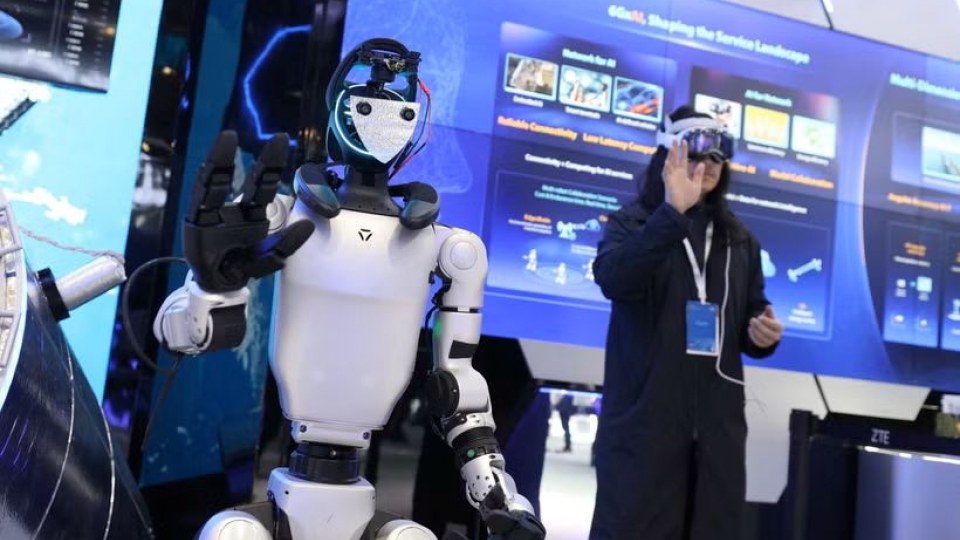
Vietnam has major opportunity to develop robotics industry: researcher
Vietnam now holds a major opportunity to develop its robotics industry and gradually master core technologies, rather than relying heavily on imported equipment, as robots and artificial intelligence (AI) become increasingly important in global industrial competition.

Robot Sophia to talk about Industry 4.0 in Vietnam
Sophia, the social humanoid robot with artificial intelligence (AI) developed by Hanson Robotics of Hong Kong, will be a guest speaker at an international forum in Hanoi next month.


