Integration of tuberculosis screening into routine health check-ups proposed

The National Lung Hospital and the National Tuberculosis (TB) Control Programme have proposed integrating TB screening into routine and annual health check-ups, aiming to enhance early detection and improve disease control in the community.
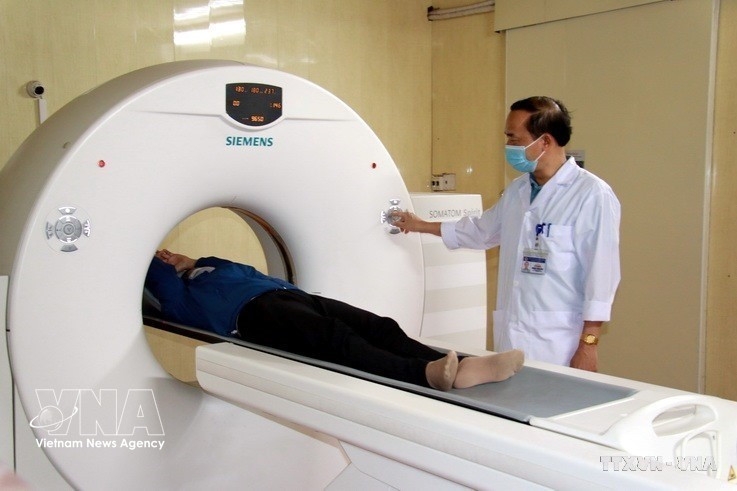
The proposal is based on the Politburo's Resolution No. 72-NQ/TW dated September 9, 2025, which sets a target from 2026 for every citizen to receive at least one free health check-up or screening annually.
According to Dr Dinh Van Luong, director of the National Lung Hospital and head of the programme, despite the significant restructuring of the two-tier administration system in 2025 affecting the healthcare sector, TB control efforts achieved their best results to date. More than 119,000 TB cases were detected, up about 5% year-on-year, with 75% bacteriologically confirmed and a treatment success rate of 90%, exceeding the global average of 88%.
However, the TB burden in Vietnam remains high. The World Health Organisation (WHO) estimates that in 2025, the country recorded around 184,000 new TB cases, including 9,400 drug-resistant cases, with approximately 12,000 deaths annually. Vietnam ranks 12th among 30 countries with the highest TB burden and 10th among those with the highest burden of drug-resistant TB. The southern region accounts for about 60% of detected TB cases nationwide and is considered a priority area for resource allocation.
Luong noted that TB screening has yet to be included in routine or initial health check-ups. In practice, only about 23% of the population accesses medical examination and treatment services, while although around 52 million employed people undergo annual health checks, many are not screened for TB. It is estimated that 40–50% of the population currently misses TB screening.
The shift in healthcare strategy from treatment to prevention, with grassroots healthcare as the foundation, as outlined in Resolution 72, provides a favourable basis for integrating TB detection into routine health check-ups and free annual screenings.
The programme has therefore urged the Ministry of Health to mandate TB screening in periodic and free health examinations, include TB screening indicators in health certificates and records, and update training requirements to strengthen TB detection capacity among medical practitioners.
It also proposed integrating TB monitoring into electronic health records, combining TB screening with respiratory disease detection at primary healthcare facilities, and requiring healthcare providers to incorporate TB screening into routine medical services. Ensuring adequate funding for screening, detection and treatment is also essential, Luong added.
In recent years, the Party and State have issued multiple policies to support TB prevention and control, including directives and decisions aimed at strengthening national efforts.
However, achieving the goal of ending TB requires not only the health sector’s efforts but also strong commitment from authorities at all levels, coordination among agencies and organisations, and sustained financial resources for comprehensive interventions nationwide.
The global theme for World TB Day 2026 highlights leadership and community engagement as key drivers in ending TB, with the message: “Yes! We Can End TB! Led by Countries! Powered by People!”
In line with this, Vietnam has adopted the theme: “Detect TB through routine health check-ups for every citizen,” underscoring its strong determination to promote early detection, reduce transmission and improve treatment outcomes.
Each year on March 24, the National Lung Hospital and the National TB Control Programme organise activities to raise public awareness of the serious health and socio-economic impacts of TB.

Vietnam aims to stamp out tuberculosis by 2034
VOV.VN - The country has set a target of wiping out tuberculosis (TB) by 2034 in order to meet one of the UN’s Sustainable Development Goals (SDG) of eradicating TB as a global public health threat, said Minister of Health Dao Hong Lan at a ceremony held on March 22 in Hanoi to mark World Tuberculosis Day.