Innovation must create tangible value for society, experts say

VOV.VN - Innovation must translate into concrete action, tangible results and scalable models that create real value for the economy and society, experts said at the 2026 National Forum on the Future of Science, Technology, Innovation and Digital Transformation in Hanoi on October 4.
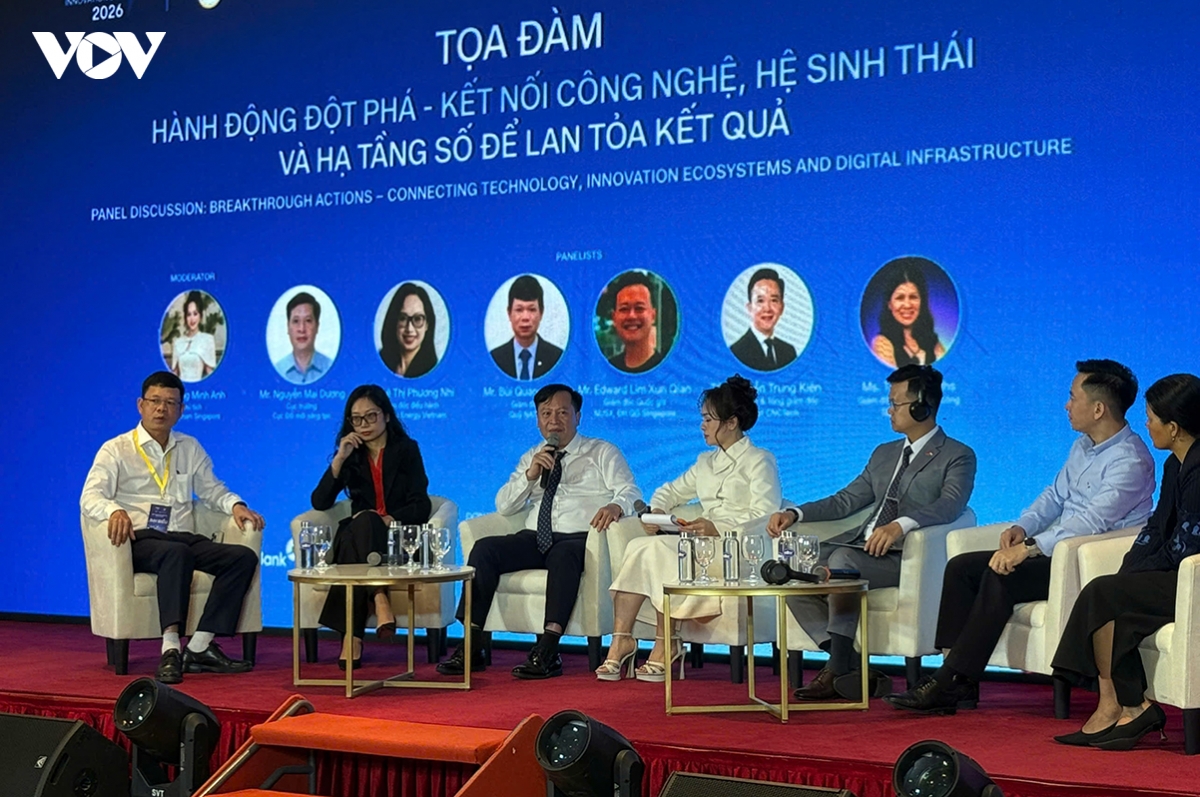
The forum was held as part of Vietnam Innovation Day 2026, bringing together experts to discuss how innovation can move beyond ideas and investment towards practical results and broader social impact.
According to the Ministry of Science and Technology, a number of Party guidelines and State policies have been institutionalised through laws on science, technology and innovation, high technology, digital transformation, intellectual property and technology transfer, together with implementing regulations.
These legal frameworks have helped create conditions for scientific research, technological development, innovation, experimentation, technology transfer, commercialisation of research results, digital transformation and the mobilisation of social resources.
From innovation ideas to tangible results
Nguyen Mai Duong, director General of the Authority of Innovation under the Ministry of Science and Technology, said the theme of National Innovation Day 2026, “Innovation – A Driving Force for the Development of the Whole Society, sets a clear requirement for innovation to deliver concrete action, substantive results and models capable of being replicated and generating wider impact.
“The effectiveness of innovation must be measured by tangible results: technologies mastered, products created, intellectual assets put to use, stronger business capabilities, expanded markets, effective models replicated, and new value created for the economy and society,” he said.
Experts at the forum stressed the need to shift decisively from awareness to action, from ideas to products, and from research to application and commercialisation.
They also called for a shift from isolated models to scalable results, and from an approach centred on investment in resources to one that measures actual effectiveness and impact.
Offshore wind highlights need for stronger innovation links
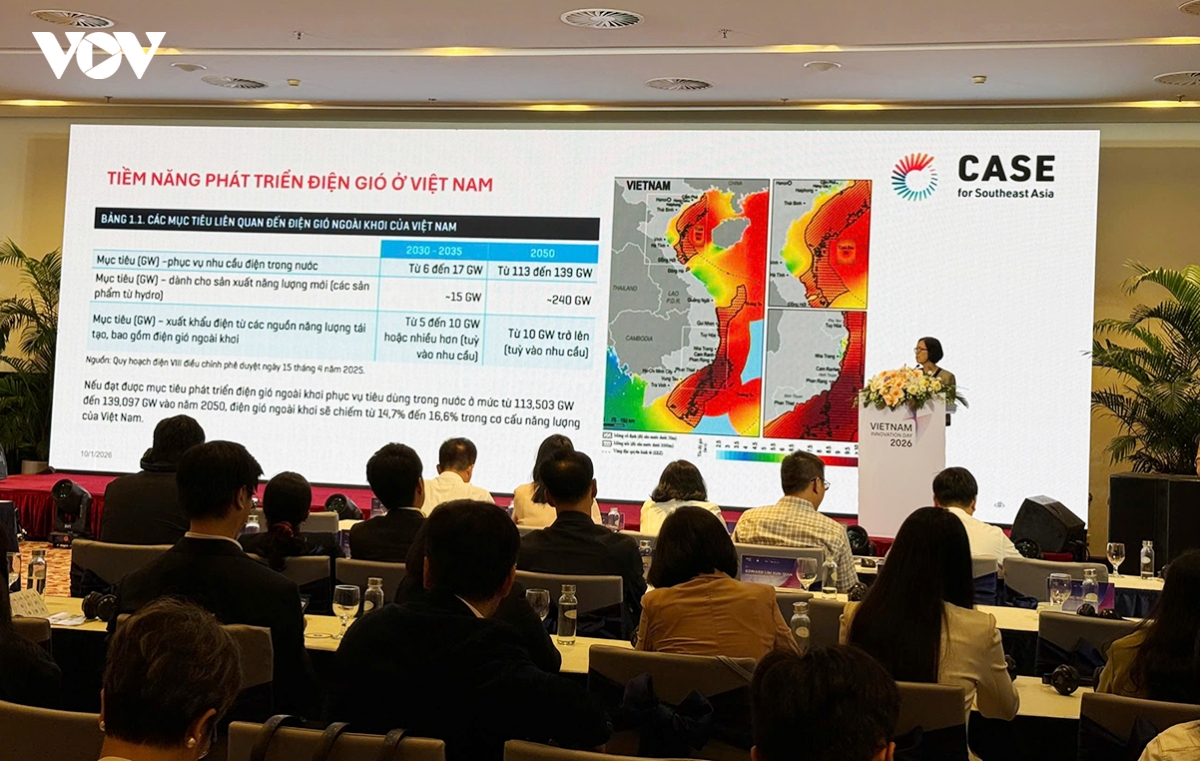
Offshore wind development was cited as one example of how Vietnam can turn its technological and innovation potential into practical economic value.
Dr Le Thi Thoa, director of the Clean, Affordable and Secure Energy for Southeast Asian Nations (CASE) project in Vietnam under the GIZ Energy Support Programme (GIZ ESP), said Vietnam has significant potential to develop an offshore wind industry, supported by the orientation set out in the Power Development Plan VIII and experience accumulated from the oil and gas sector.
However, competing in the global market requires Vietnam to meet international requirements and standards, she noted.
“When competing in the global market, Vietnam needs to meet international requirements and standards. This is an important factor in developing the offshore wind value chain,” Thoa said.
She stressed the importance of closer cooperation among research institutes, universities and businesses, as well as technology transfer, to create greater opportunities for developing the sector.
“If we work together to review and implement solutions, stronger links among research institutes, universities and businesses, together with technology transfer, will have greater chances of success,” she concluded.
Deputy PM urges shift from innovation activities to measurable results
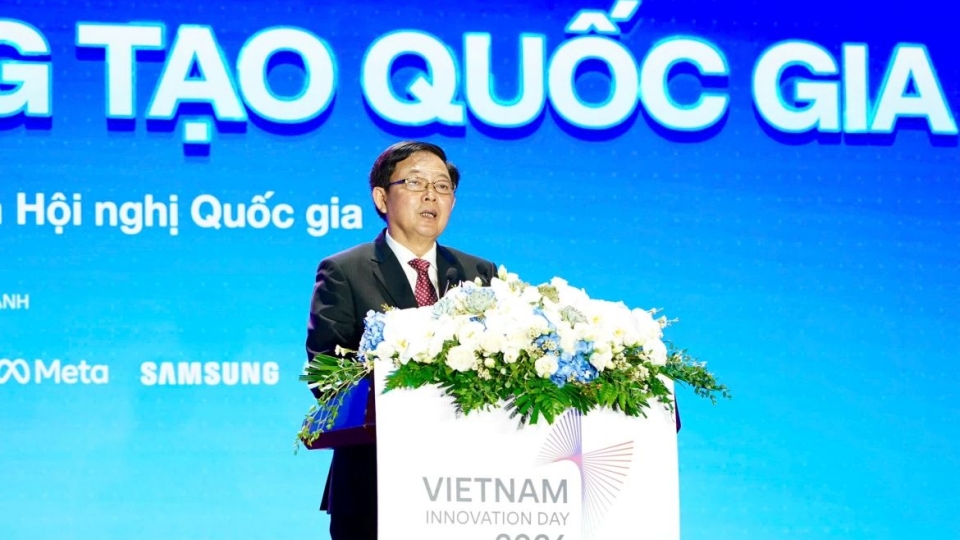
VOV.VN - Vietnam needs to move from simply having innovation activities to delivering tangible results, with businesses placed at the centre of technological innovation and new sources of economic growth, Deputy Prime Minister Ho Quoc Dung has said.