Health Minister: Toward comprehensive and community-based health care for all

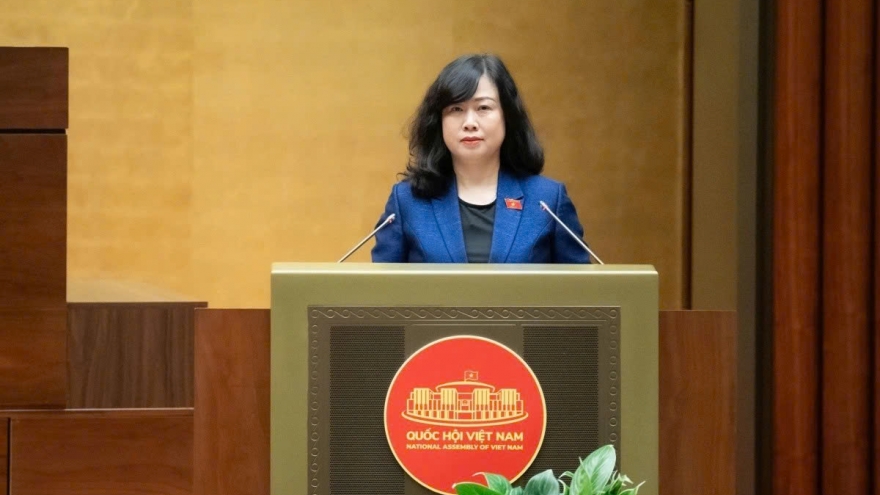
VOV.VN - Minister of Health Dao Hong Lan, on the occasion of the 14th National Party Congress, has outlined major orientations and key solutions for implementing the Politburo’s Resolution 72, aimed at fundamentally transforming Vietnam’s healthcare system toward comprehensive, people-centred health care.
A strategic shift from treatment to comprehensive health care

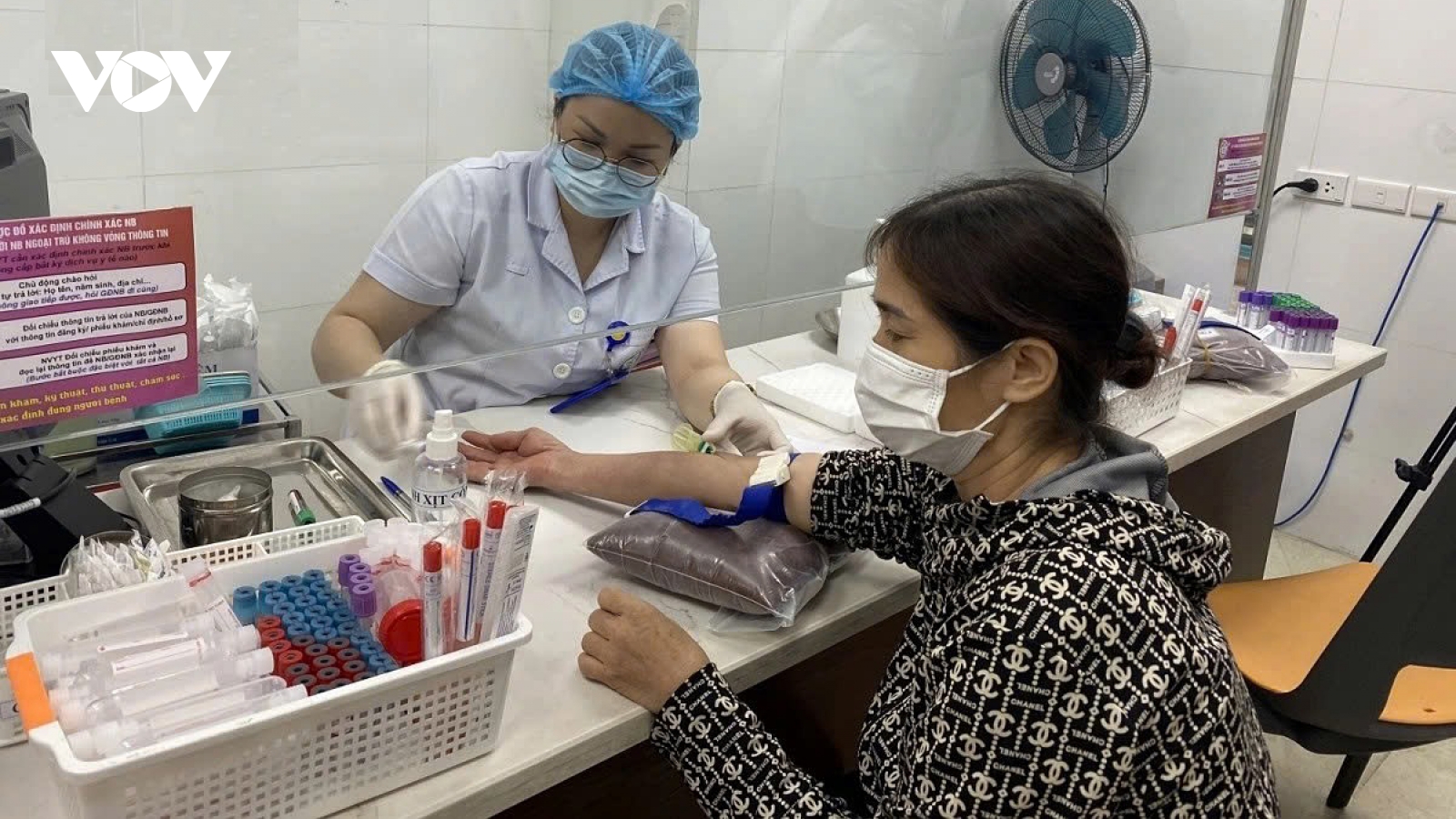
According to Minister Lan, who is also a member of the 13th Party Central Committee, Resolution 72, issued on September 9, 2025, represents a breakthrough policy framework for protecting, caring for and improving public health. The Resolution introduces a new approach that recognises people’s health as the nation’s most valuable asset, placing the healthcare system’s core mission on comprehensive care throughout the life course, with an emphasis on early intervention, remote care and primary healthcare services.
Unlike the traditional model that focuses primarily on diagnosis and treatment, the Resolution underscores the pivotal role of disease prevention, health management and continuous care. This shift in mindset is seen as a major step forward, helping to address long-standing structural bottlenecks that have constrained the healthcare sector’s development.
Based on this orientation, the Ministry of Health advised the Government to issue Resolution 282, detailing an action programme to implement Resolution 72 with clear tasks and timelines. After three months of implementation, ministries, sectors and localities have begun to show positive momentum, translating policy directions into concrete programmes and projects tailored to local conditions.
Institutional reform and bottleneck removal
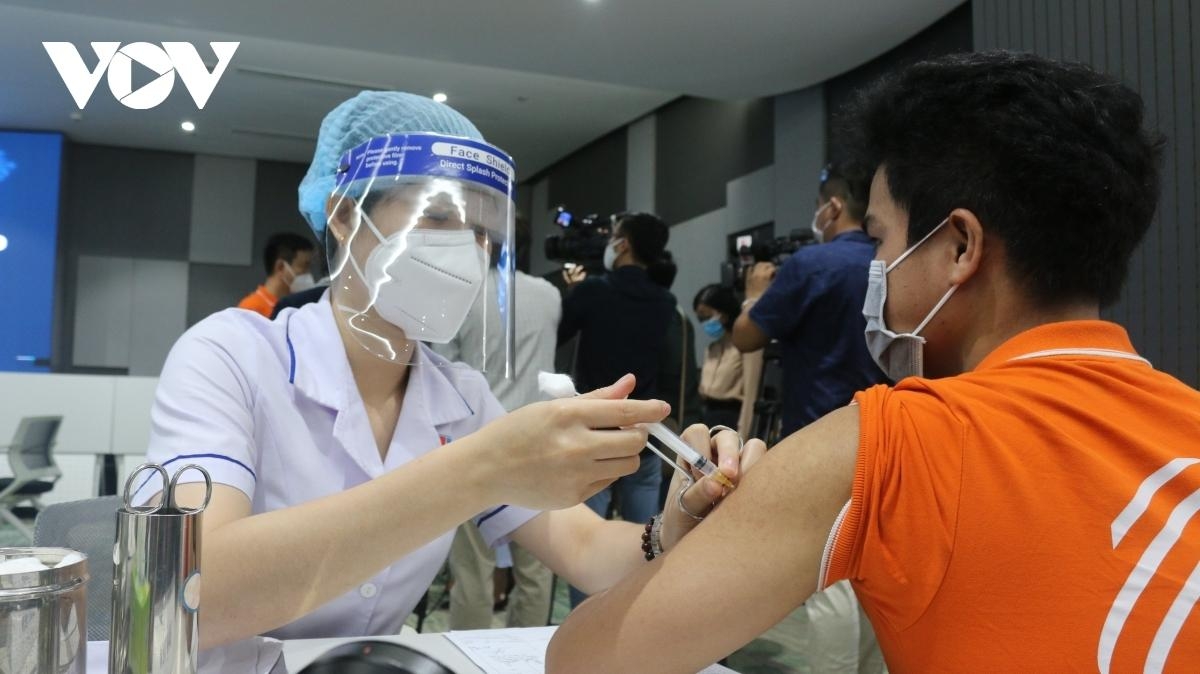
Institutional weaknesses are identified as one of the key bottlenecks addressed by Resolution 72. Minister Lan noted that shortcomings in policies and regulatory mechanisms have created barriers to effective implementation, affecting the quality and efficiency of healthcare delivery.
Institutional reform has therefore been designated a central task in the coming period. The Ministry of Health is reviewing and improving the legal and policy framework, as well as mechanisms for mobilising and allocating resources in a more coherent, feasible and effective manner. The overarching approach emphasises close coordination between the State and relevant stakeholders, a balanced combination of public and private resources, and greater empowerment of individuals in protecting and managing their own health.
The Ministry has registered a legislative agenda for the next five years, with a focus on improving the quality of law-making as a key solution for removing policy bottlenecks and closing gaps in healthcare governance, said the minister.
Effective use of resources for health care
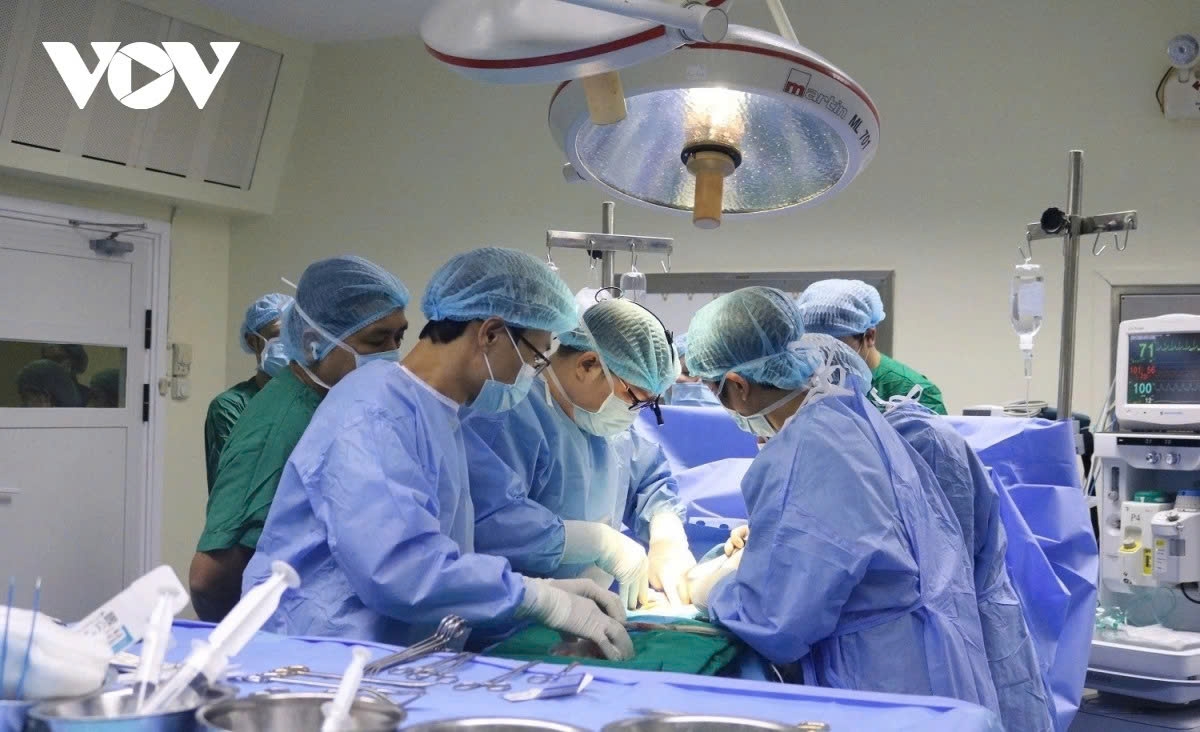
Resolution 72 also proposes breakthrough solutions for mobilising resources for health care. In addition to state budget funding, priority is given to the development of a national target programme on health and population for the next decade, so as to ensure long-term and sustainable financing for public health care.
At the same time, efforts are being intensified to improve the management and efficient use of the health insurance fund in line with the goal of universal health coverage. The role of the private healthcare sector is being encouraged, while greater public participation in self-care and disease prevention is promoted.
The consistent approach is to mobilise all available resources through effective policy design and implementation, ensuring that reforms translate into tangible outcomes, stressed the minister.
In institutionalising Resolution 72, the Ministry of Health has submitted several key policy proposals to the National Assembly. These include a draft Resolution on special and breakthrough measures for public health care, as well as the adoption of the Law on Disease Prevention and the Law on Population.
Notably, the Law on Disease Prevention institutionalises a life-course approach to health care, placing prevention as the foundational solution. In parallel, the national target programme on health and population for the next ten years aims to ensure adequate resources for implementing major policy orientations, creating coherence between institutions, policies and implementation capacity from central to local levels.
Human resource development and digital transformation
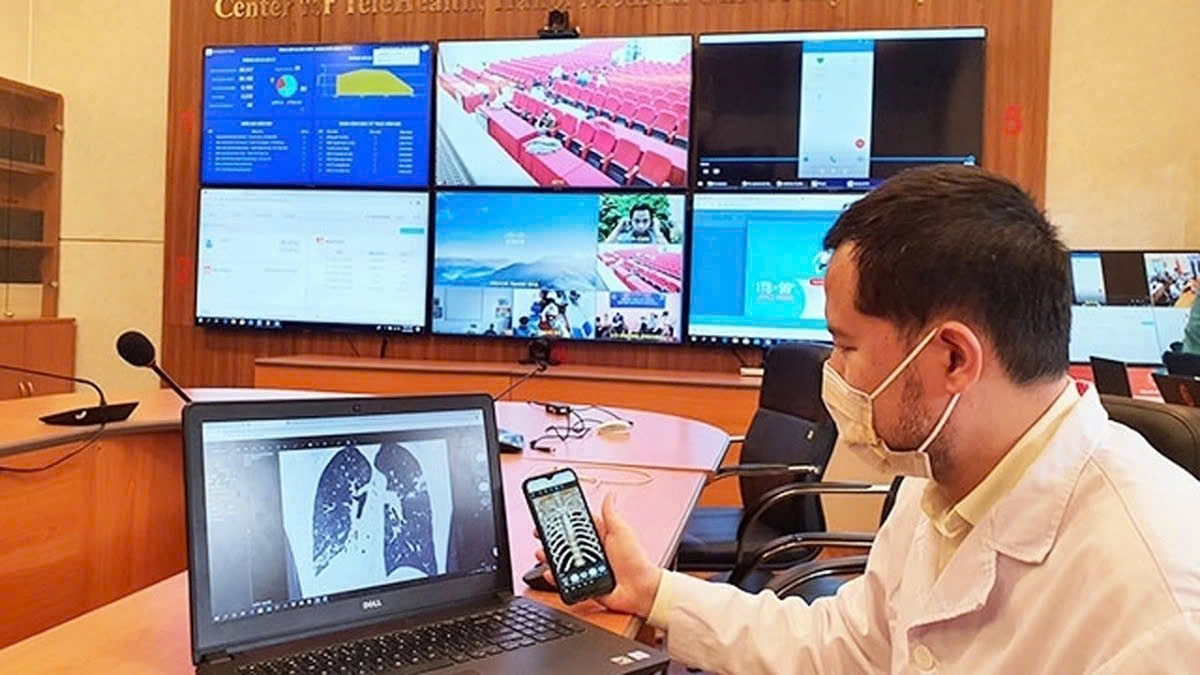
According to Minister Lan, human resources remain another critical bottleneck. Resolution 72 recognises healthcare workforce training as a special sector, while emphasising improved working conditions and incentives for health workers, particularly those in primary care, preventive medicine and priority fields.
Strengthening the primary healthcare system is regarded as the cornerstone for delivering early, remote and community-based care. Several localities, including Hanoi, Quang Ninh and Ho Chi Minh City, have proactively introduced innovative models and solutions, receiving strong public support.
Digital transformation and the application of science and technology form another key pillar. The Ministry of Health is accelerating the rollout of electronic medical records, digital health records, sector-wide health databases and the application of artificial intelligence in research and health management, with a view to improving service quality and access for all citizens.
With a comprehensive approach encompassing mindset change, institutional reform, resource mobilisation and effective implementation, Minister Dao Hong Lan affirmed that Vietnam’s health sector is steadily advancing toward the goal of comprehensive and sustainable health care for all. This is not solely the responsibility of the health sector, but a shared mission of the entire political system and society, contributing to a healthier Vietnam in a new phase of development.
Party chief attends groundbreaking of elderly healthcare complex in Hanoi
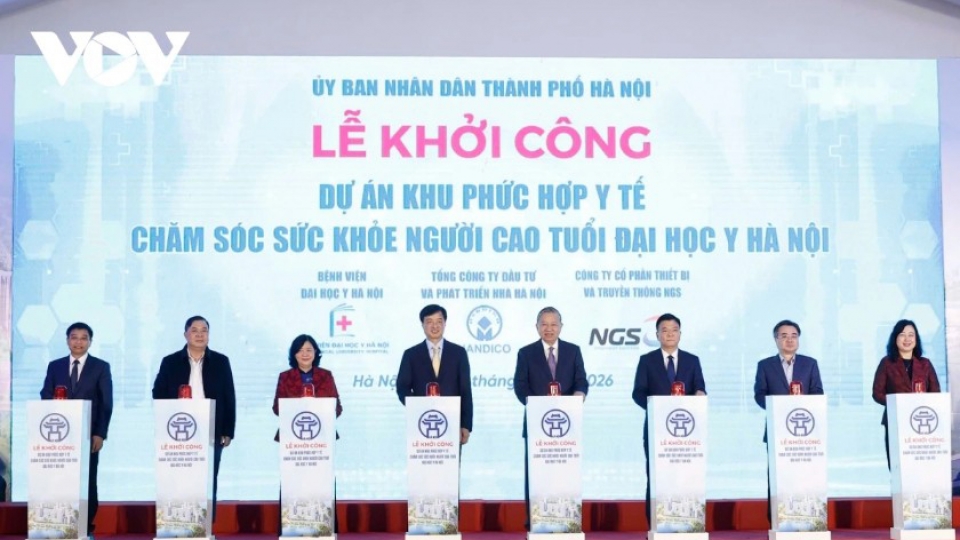
VOV.VN - Party General Secretary To Lam attended the groundbreaking of the Hanoi Medical University's elderly healthcare complex project at the Hoang Mai campus of Hanoi Medical University Hospital in Hanoi on January 17.