HCM City: 350 essential medicines included in price stablisation programme

Ho Chi Minh City will implement a market stabilisation programme covering around 350 essential medicines to ensure adequate supply and affordable prices for residents in 2026–2027.
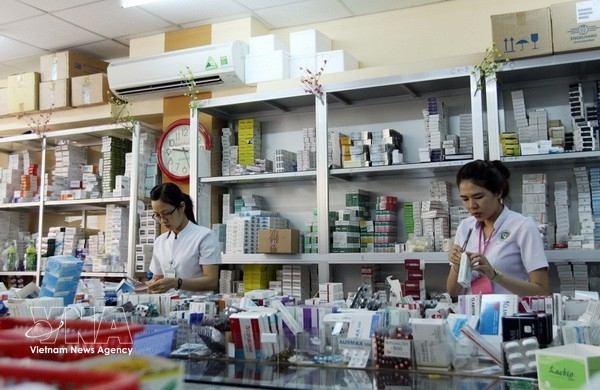
Under a plan issued on March 17, the programme encompasses 20 groups of essential drugs commonly used in treating prevalent and chronic conditions. These include pain relievers, anti-inflammatory and anti-allergy drugs, cardiovascular and diabetes medicines, antibiotics, digestive and respiratory treatments, musculoskeletal drugs, as well as vitamins, minerals and traditional remedies. The list is developed based on actual demand and regulations of the Ministry of Health.
Participants include pharmaceutical manufacturers, distributors and retail drugstores that meet strict requirements on production standards (GMP), distribution practices (GDP), financial capacity and supply networks. They must commit to providing sufficient quantities of medicines with guaranteed quality at registered prices. Retailers are required to publicly display prices, ensure clear identification of stabilised products and sell at regulated rates.
The municipal People’s Committee requires that prices of medicines under the programme be at least 5% lower than similar products on the market. In case of fluctuations in input costs affecting pricing structures, participating enterprises must report to the Departments of Health and Finance for consideration and adjustment in line with regulations.
To improve accessibility, the city will expand and diversify distribution channels, increasing the number of participating pharmacies and drug counters, particularly to better serve low-income groups.
Businesses and retailers joining the programme will receive support in communications, pricing information, branding materials and professional training. Outstanding participants may also be commended upon programme completion.
The initiative, which starts from April 1 and runs through March 31 next year, is aligned with national campaigns encouraging the use of domestically produced goods and medicines, contributing to improved healthcare access and social welfare in the city.
Fake medicine manufacturing ring busted in central Vietnam
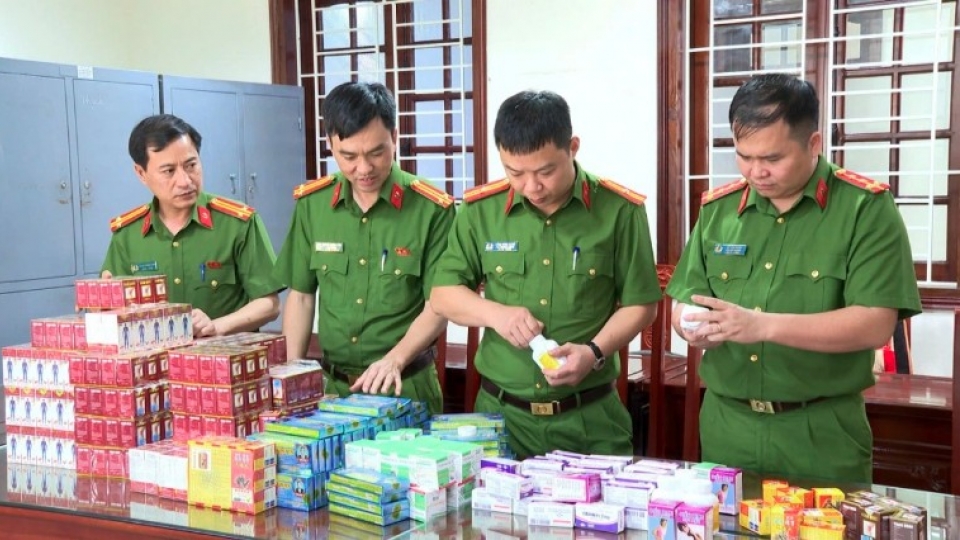
VOV.VN - The police of Thanh Hoa province have arrested 14 individuals involved in a large-scale counterfeit pharmaceutical manufacturing and trading ring, they said on April 6.