Cold front brings rain to northern Vietnam, heatwave persists in central region

VOV.VN - Weather conditions across Vietnam on April 23 showed a stark contrast between regions, as the north turned cooler under the influence of a cold front while central areas continued to endure intense heat, with some locations experiencing extreme conditions.

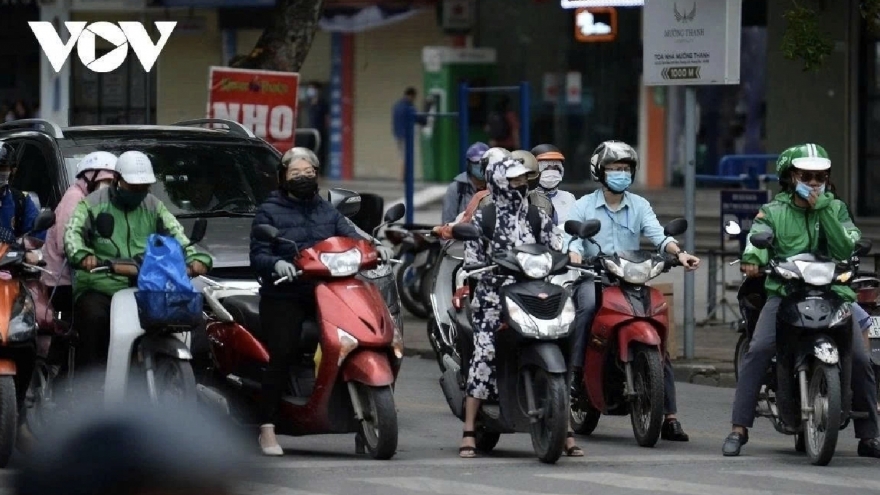
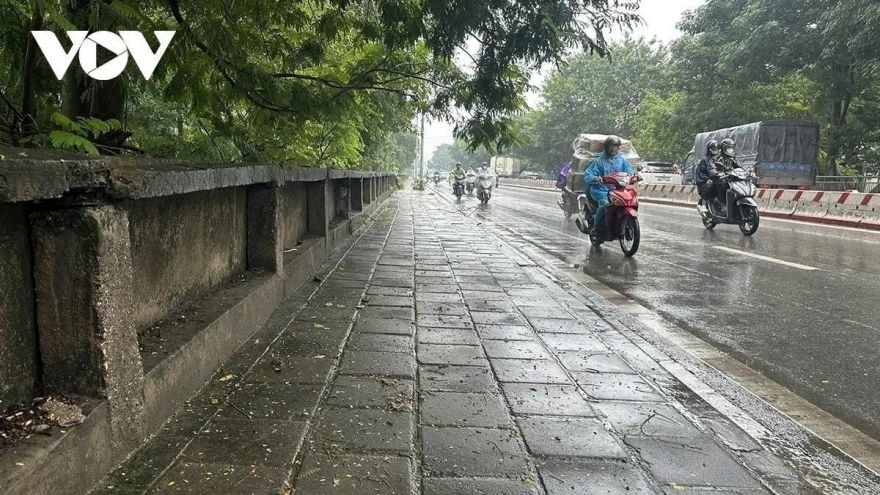
In northern localities, including Hanoi, Quang Ninh, and Hai Phong, the arrival of cold air early on April 23 triggered widespread showers and thunderstorms. Meteorological observations indicated strong convective cloud development from early morning, quickly expanding from suburban areas into central Hanoi and across northeastern coastal localities.
Thunderstorms pose risks of whirlwinds, lightning, hail, and strong gusts, potentially disrupting agricultural production, damaging infrastructure, and uprooting trees.
At sea, the Gulf of Tonkin has recorded strengthening northeasterly winds and rough conditions, posing hazards to maritime activities.
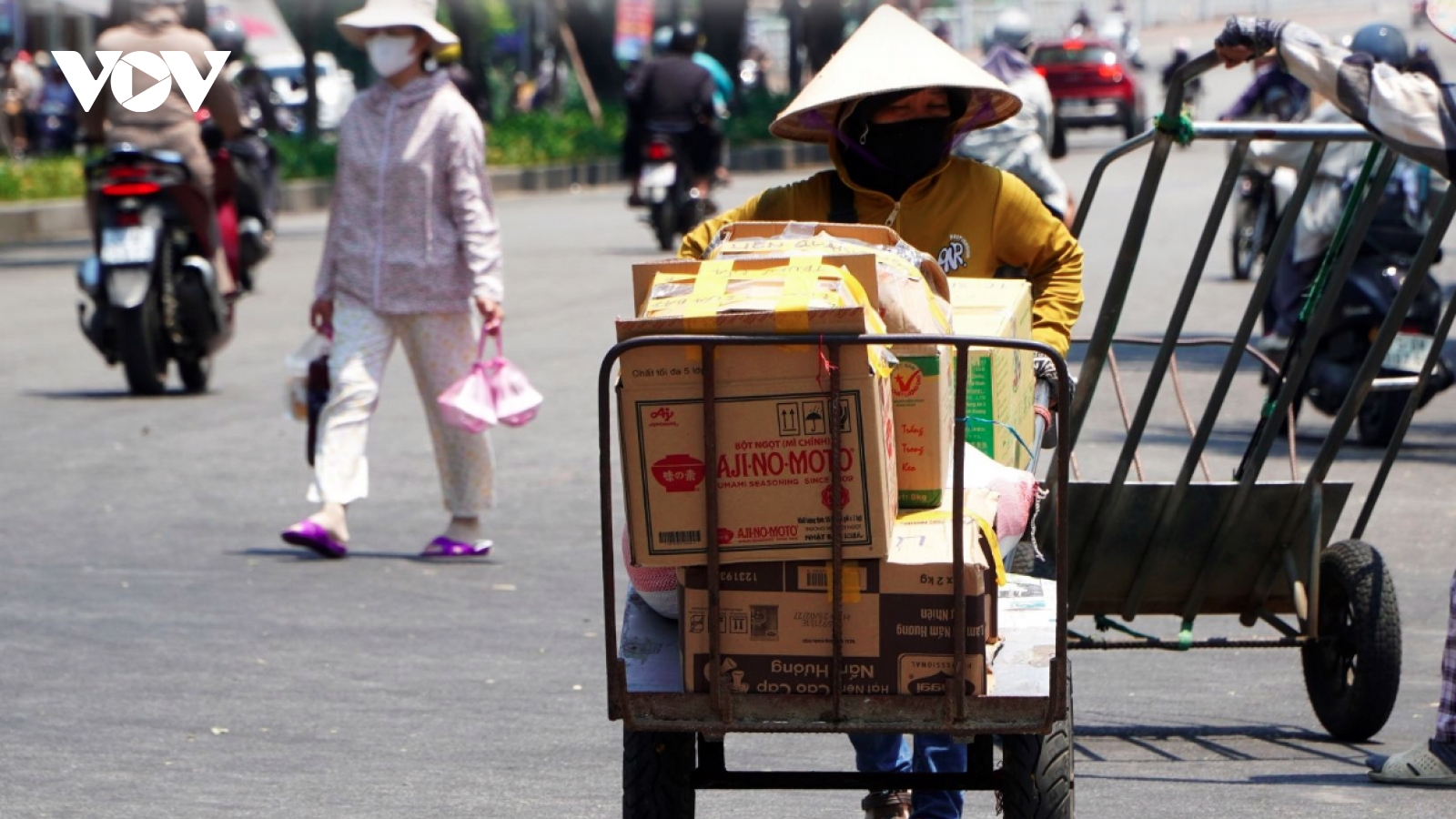
In contrast, central Vietnam, especially for localities from Thanh Hoa to Da Nang and eastern parts of Quang Ngai, is experiencing a widespread heatwave. Temperatures are commonly ranging from 35°C to 38°C, with several areas exceeding 39°C and even surpassing 40°C in provinces such as Nghe An and Quang Tri.
Low humidity levels are intensifying the heat, increasing the risk of fires in residential areas and posing health concerns for people exposed to prolonged outdoor conditions.
Forecasts indicate that this contrasting weather pattern will persist in the short term. Northern Vietnam is expected to continue experiencing cooler conditions with rain and thunderstorms, while the central region may require another 24 to 48 hours before the heatwave begins to ease.
Meanwhile, other parts of the country will generally see sunny weather, with some areas experiencing heat. Southern Vietnam is anticipated to face hot conditions on April 25–26, before a gradual increase in afternoon and evening thunderstorms from around April 27, a pattern similar to that expected in the Central Highlands.
The sharp divergence in weather highlights the complexity of seasonal transitions and underscores the need for region-specific preparedness measures to minimise risks and safeguard livelihoods.

Weak cold air to ease Northern heatwave with thunderstorms
VOV.VN - A weak cold air mass moving southward from April 16, combined with a low-pressure trough, is expected to trigger widespread thunderstorms across northern Vietnam, helping ease the region’s first heatwave of 2026.