Clean rice processing cuts costs, emissions

The Song Hau Food Company, a rice exporter, has reduced its energy consumption by 983,764 kWh in the past four years, saving US$62,615.
An official of its parent company, Vinafood 2, said reduced energy costs helps reduce greenhouse gas emissions and enables cleaner rice production.
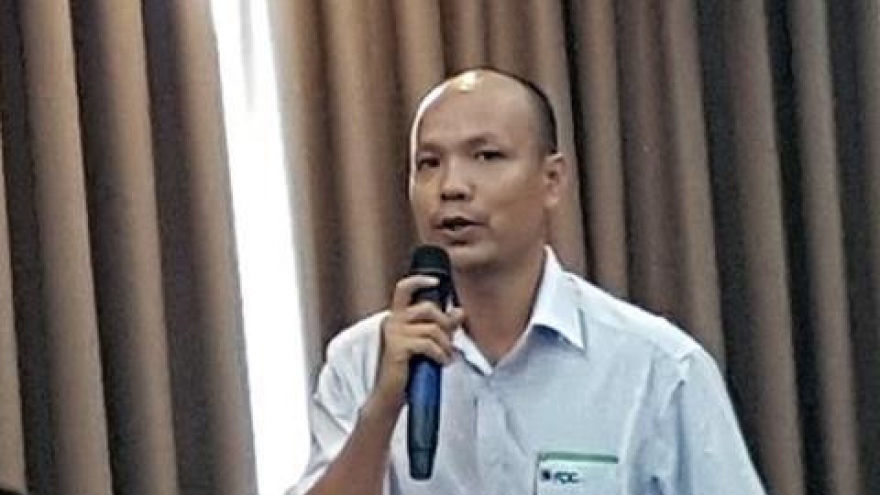
The result was achieved under a project applying efficient, cleaner production methods, said Pham Van To, deputy manager of Vinafood 2’s Technical and Construction Department.
He said that in rice processing, electricity costs usually account for 20 to 35 percent of total production costs.
Energy is usually one of the highest costs a company faces. If it can reduce energy consumption by just a few percent, it can make a significant savings along with contributing to greenhouse gas reduction, he said.
In 2013, the corporation had approached the Resource Efficient and Cleaner Production Programme (RECP), a UNIDO-UNEP joint programme financed by the Swiss State Secretariat for Economic Affairs (SECO) and implemented by Sofies (a consultancy in Switzerland) and the Vietnam Cleaner Production Centre Co Ltd (VNCPC).
A pilot project was implemented in two member enterprises, Song Hau Food Company and An Giang Food and Foodstuff Company in 2013, and expanded to six other member companies in March last year.
Tran Van Nhan, Director of VNCPC, said the rice industry’s export achievements of the past years came at the cost of adverse impacts on the environment during production and processing.
From the entire rice value chain, the project chose to pilot the processing phase, since this has the largest impact on the environment, he said.
“We realise that there is a great potential to turn waste resulting from rice milling into biomass energy, which significantly contributes to reducing climate change.”
In addition, with energy costs accounting for 35-40 percent of rice production costs, “if we can save a part of the largest expenditure, it will significantly help businesses reduce production costs and increase profits and competitiveness,” he said.
Through many activities - including cleaner production audits at participating companies, supporting companies in identifying cleaner production technologies and application strategies and training - the project has helped firms improve their energy efficiency.
It has also suggested measures to turn waste into biomass energy.
Dr. Martin Fritsch of Sofies said Vietnam was a leading rice exporter, focusing on large volumes. It was facing quality challenges that weakened its competitiveness.
The sector needs to effect changes to meet an increase in demand for higher quality rice by creating incentives for rice farmers and millers to adopt sustainable production practices, he said.
This would also help to avoid continuous degradation of natural resources, such as soil and water, he said.
The project aims to promote efficient use of natural resources, including materials, water and energy and minimise waste and emissions, including those discharged into the water, air and land.
Delegates at a recent conference titled “Towards a Sustainable Agro-Industrial Ecosystem in the Mekong Delta in Vietnam-Focus on the Rice Value Chain,” said the project will enter its "mainstreaming phase" this year.
A broader collaboration between all stakeholders was necessary to align interests along the value chain and to achieve a “sustainable mainstreaming effect for the Vietnamese rice sector,” they added.
The result was achieved under a project applying efficient, cleaner production methods, said Pham Van To, deputy manager of Vinafood 2’s Technical and Construction Department.
He said that in rice processing, electricity costs usually account for 20 to 35 percent of total production costs.
Energy is usually one of the highest costs a company faces. If it can reduce energy consumption by just a few percent, it can make a significant savings along with contributing to greenhouse gas reduction, he said.
In 2013, the corporation had approached the Resource Efficient and Cleaner Production Programme (RECP), a UNIDO-UNEP joint programme financed by the Swiss State Secretariat for Economic Affairs (SECO) and implemented by Sofies (a consultancy in Switzerland) and the Vietnam Cleaner Production Centre Co Ltd (VNCPC).
A pilot project was implemented in two member enterprises, Song Hau Food Company and An Giang Food and Foodstuff Company in 2013, and expanded to six other member companies in March last year.
Tran Van Nhan, Director of VNCPC, said the rice industry’s export achievements of the past years came at the cost of adverse impacts on the environment during production and processing.
 |
“We realise that there is a great potential to turn waste resulting from rice milling into biomass energy, which significantly contributes to reducing climate change.”
In addition, with energy costs accounting for 35-40 percent of rice production costs, “if we can save a part of the largest expenditure, it will significantly help businesses reduce production costs and increase profits and competitiveness,” he said.
Through many activities - including cleaner production audits at participating companies, supporting companies in identifying cleaner production technologies and application strategies and training - the project has helped firms improve their energy efficiency.
It has also suggested measures to turn waste into biomass energy.
Dr. Martin Fritsch of Sofies said Vietnam was a leading rice exporter, focusing on large volumes. It was facing quality challenges that weakened its competitiveness.
The sector needs to effect changes to meet an increase in demand for higher quality rice by creating incentives for rice farmers and millers to adopt sustainable production practices, he said.
This would also help to avoid continuous degradation of natural resources, such as soil and water, he said.
The project aims to promote efficient use of natural resources, including materials, water and energy and minimise waste and emissions, including those discharged into the water, air and land.
Delegates at a recent conference titled “Towards a Sustainable Agro-Industrial Ecosystem in the Mekong Delta in Vietnam-Focus on the Rice Value Chain,” said the project will enter its "mainstreaming phase" this year.
A broader collaboration between all stakeholders was necessary to align interests along the value chain and to achieve a “sustainable mainstreaming effect for the Vietnamese rice sector,” they added.