Bridging the gap in Vietnam between the poor and better jobs

VOV.VN - Despite maintaining a rather impressive GDP growth rate over the past several years, employers throughout Vietnam report that the education system is not delivering the skills they need.
 |
The government – the press proclaims – must right the sinking ship to lead the country to a vision of an inclusive Vietnam, where good jobs are available to all people everywhere and particularly the poor living in rural areas of the country.
But according to many experts, scientific studies have shown that one of the key components holding people back from moving out of poverty in all parts of the globe is the fact that they are limited by their social networks.
For the poor living in remote villages in Vietnam, the boundaries of who they know where they currently reside can be particularly limiting as they seek opportunities to better themselves and their families lives in the larger metropolitan regions of the country.
The labour market in Vietnam is comprised mostly of low and medium-skilled workers while Singapore and Malaysia boast skilled, service-based workforces, according to Human Capital Outlook: Association of Southeast Asian Nations (ASEAN) 2016, said Vnexpress earlier this year in a post on its website.
Over half the Singaporean workforce qualifies as skilled, while in Vietnam that ratio falls to one in 10, Vnexpress boldly contended, noting that Vietnam had the highest ratio of low-skilled workers in the region (over 40%) compared to 9% in Thailand and 8% in Singapore.
However, what Vnexpress conveniently failed to note in their post was that even in its education poster-child Singapore, a whopping 30% increase in skills shortages were reported last year alone— a clear reminder that there is more to a world-class education system than test scores.
The experts say that the physics and chemistry scores of Singaporean, Thai and Vietnamese students – have little to no significance whatsoever – to the mix of skills needed by the Vietnam economy.
Nor do they have any connection, however tangent, to addressing the fundamental problem of reducing poverty in Vietnam by increasing the accessibility of better jobs to the people who want and need them.
Currently, say the experts, Vietnamese living in remote areas of the country have little to nothing in terms of social networking going for them, particularly the illiterate or those without access to internet or computers.
Academic skills and test results are not enough to meet the job requirements for the Vietnam economy of today or tomorrow, the experts say, but what is needed are workers that can adapt and learn throughout their careers.
Vietnam without question has no shortage of people with the critical thinking, problem-solving, persistence, collaboration and curiosity needed to meet the needs of the economy— and most of them currently reside in the rural areas of the country.
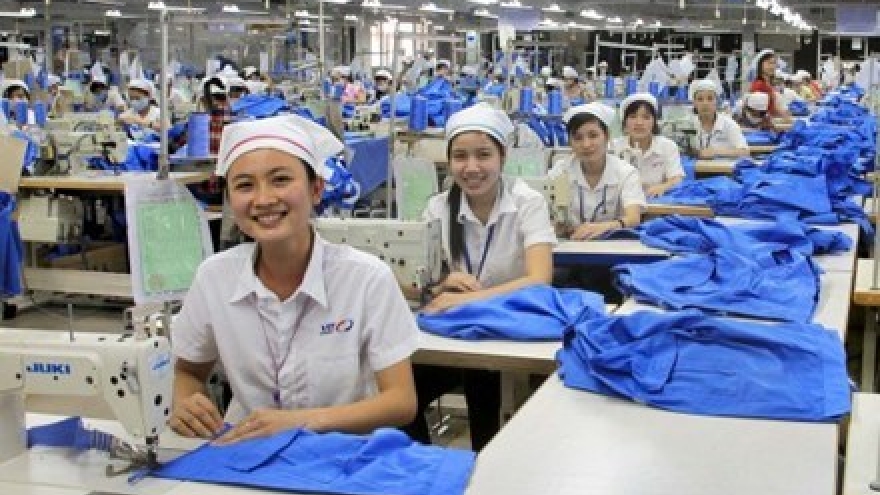
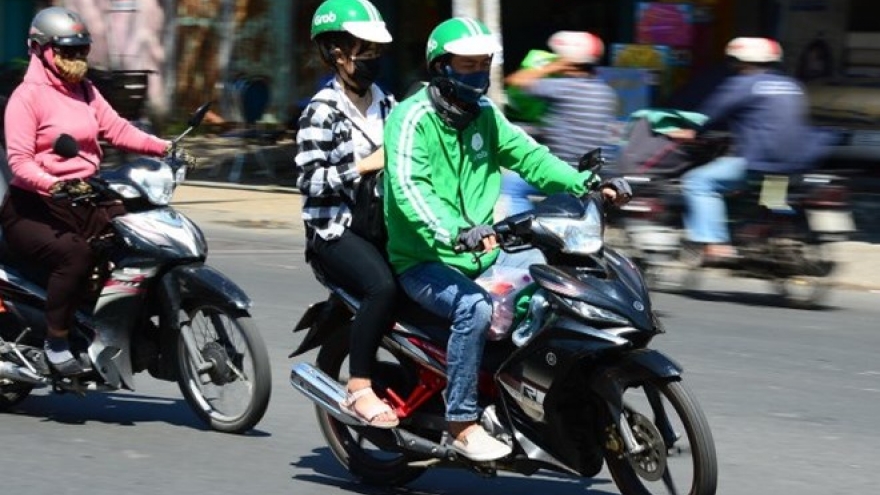
What is needed is a vocational education scheme put in place that places importance on these critical skills and matches workers with jobs in such vocations as drivers, cashiers, maids, factory, assembly line and data entry positions through improved social networking.
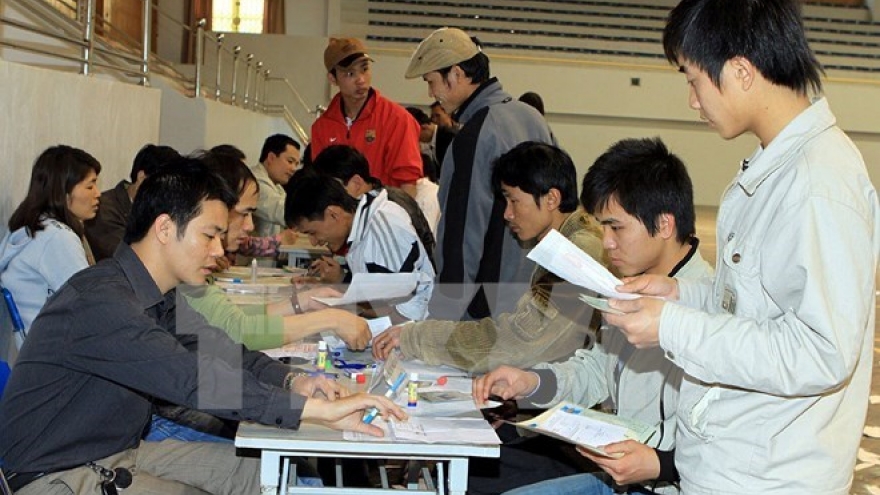
There currently is no adequate vocational system in place to assist those with certain skill sets who are looking to migrate to know where they should go or in the alternative to help businesses in the metropolitan areas find those with the skill sets they need.
Meeting the requirements of the economy for skilled workers has little to nothing to do with academic test scores, but is all about empowering Vietnamese workers to make better choices, according to the experts.