Belgium backs dioxin cleanup project to address war consequences in Vietnam

VOV.VN - Vietnam and Belgium are moving forward with a new step in cooperation to settle the consequences of war, as a project to treat dioxin-contaminated soil has been approved.
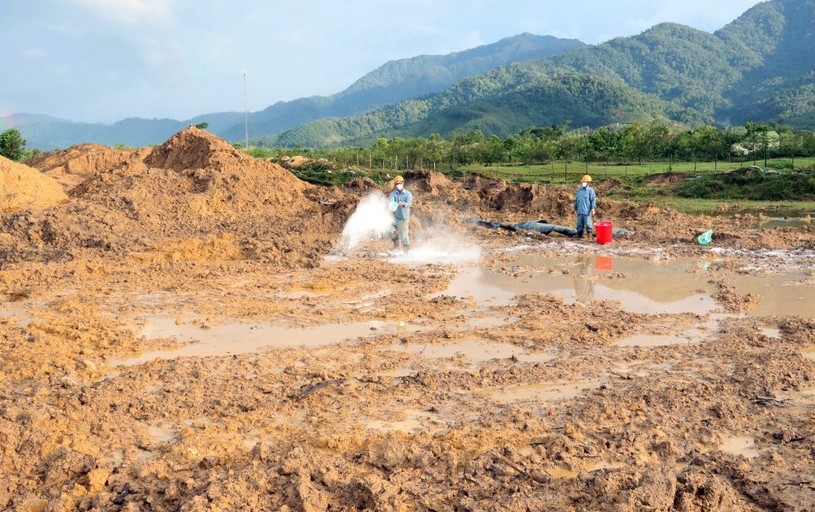
This marks an important milestone in international efforts to deal with one of the most severe remaining consequences of the war in Vietnam.
Under the plan, the Belgian Government will support Vietnam in treating land contaminated with dioxin, a highly toxic component of defoliants widely used during the war. Vietnam has approved a consortium comprising Haemers Technologies and the Aquitara Impact Fund to implement the project, with the aim of restoring the environment and improving living conditions in affected areas.
More than half a century after national reunification, the consequences of Agent Orange remain, with many Vietnamese still affected. Dioxin contamination in soil affects human health and limits agricultural production and local economic development.
The project is unprecedented, as it marks the first time a foreign investment fund has received strong backing from the Vietnamese Government in addressing war consequences. The project uses advanced thermal treatment technology developed by Haemers Technologies. Contaminated soil will be heated to temperatures of up to 1,200°C to vaporise dioxin molecules, which are then destroyed during the treatment process. The treated soil can be reused safely for agriculture and other purposes.
Jan Haemers, founder and chief executive officer of Haemers Technologies, said the project is long-term and could span generations, with treatment costs at each site reaching hundreds of millions of euros. Alongside environmental cleanup, it is expected to create new development opportunities for localities. Areas after remediation are expected to be converted into sustainable eco-industrial zones, thereby creating jobs and supporting long-term economic growth.
The project also aims to support the establishment of 150 small businesses for families affected by Agent Orange in remote areas, combining environmental restoration with livelihood improvement and better living conditions.
Franc Bogovic, co-founder of the Aquitara Impact Fund, said the project combines modern technology, innovative investment thinking and social responsibility. Turning contaminated land into development resources is considered a sustainable path that benefits both communities and investors.
The project also reflects strong diplomatic ties between Vietnam and Belgium, established in 1973, which have continued to develop across economic, trade, environmental and sustainable development areas.
A state visit to Vietnam by King Philippe and Queen Mathilde in late March and early April last year further strengthened cooperation. During the visit, the King and Queen toured the War Remnants Museum and met victims of Agent Orange, showing strong interest in addressing war consequences in Vietnam.
In 2023, Belgium’s Chamber of Representatives adopted a resolution recognising victims of Agent Orange in Vietnam, laying an important foundation for initiatives such as this project. With the joint efforts of the international community and the determination of the Vietnamese Government, the project is expected to gradually help revive areas once devastated and bring a brighter future for generations of Vietnamese people.

Vietnam, US step up efforts on dioxin cleanup and support for people with disabilities
VOV.VN - Vietnam and the US on September 15 held a ceremony at Bien Hoa Airport in northern Dong Nai province to hand over six hectares of detoxified land, launch the construction of a dioxin treatment plan, and sign an agreement on additional ODA funding to support projects improving the quality of life for people with disabilities in priority provinces.