Backup infrastructure keeps Vietnam’s Internet stable after cable incident

Vietnam has still maintained stable Internet connectivity amid a malfunction on the AAE-1 undersea cable, thanks to its backup infrastructure and the Vietnam–Singapore Terrestrial Cable Network (VSTN), according to the Vietnam Telecommunications Authority under the Ministry of Science and Technology.
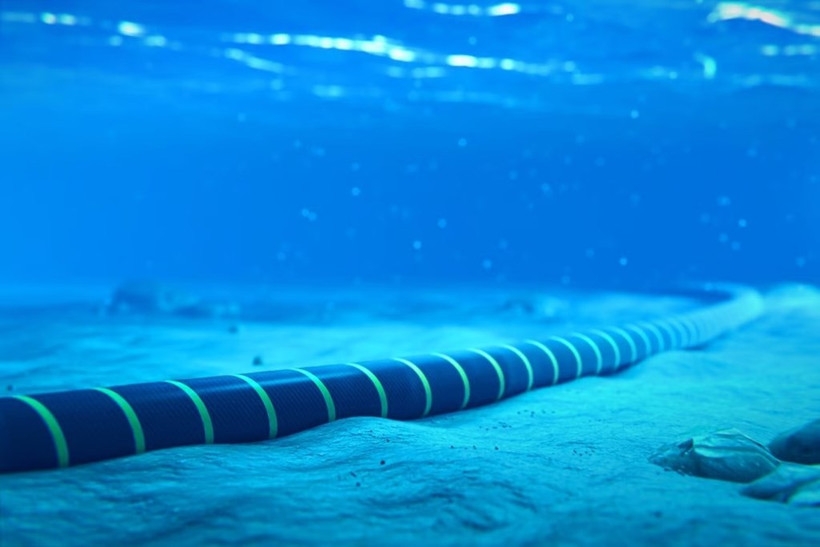
The incident occurred during the Lunar New Year (Tet) holiday. The affected capacity accounted for nearly 10% of Vietnam’s total international Internet bandwidth, equivalent to about 45,000 Gbps. However, this reduction was considered relatively minor in the overall context and insufficient to create an imbalance between international bandwidth supply and demand.
Immediately after the disruption was detected, telecom operators activated contingency plans, rerouting traffic to other undersea cables and alternative connection routes. Coordination between domestic carriers and international partners was carried out promptly, and no localised service interruptions were reported.
Following the incident, FPT Telecom said its total international bandwidth at peak times remained secure and within backup capacity. MobiFone reported that its average international channel load stood at 56%, rising to 64.2% when the AAE-1 cable encountered problems—still within safe limits.
Viettel and VNPT also confirmed that their international connectivity capacity has been sufficiently upgraded and backed up, making the capacity loss from AAE-1 negligible compared to the overall capacity of remaining routes.
According to the Telecommunications Authority, Vietnam has steadily expanded its international connectivity infrastructure in recent years. Internet access to the global network relies mainly on three channels —undersea fiber-optic cables, terrestrial cables and satellite Internet— with undersea systems playing a dominant role.
Vietnam currently operates six undersea cables, namely AAG, IA, AAE-1, APG, ADC and SJC2. The newly launched ADC and SJC2 have boosted outbound capacity, while AAE-1, in service since July 2017, links Vietnam to Europe and the Middle East and provides backup capacity toward Hong Kong (China) and Singapore.
To reduce reliance on undersea cables, in 2025, Vietnam, for the first time, took full control of the Vietnam–Singapore Terrestrial Cable Network (VSTN), which has a designed capacity of 4 Tbps and scalability up to 12 Tbps. The route enables end-to-end operational control, helping mitigate risks of international Internet disruptions.
Vietnam has also agreed to pilot satellite Internet services. In mid-February, after completing relevant procedures, Starlink was officially licensed, though its rollout schedule and pricing for the domestic market have yet to be announced.
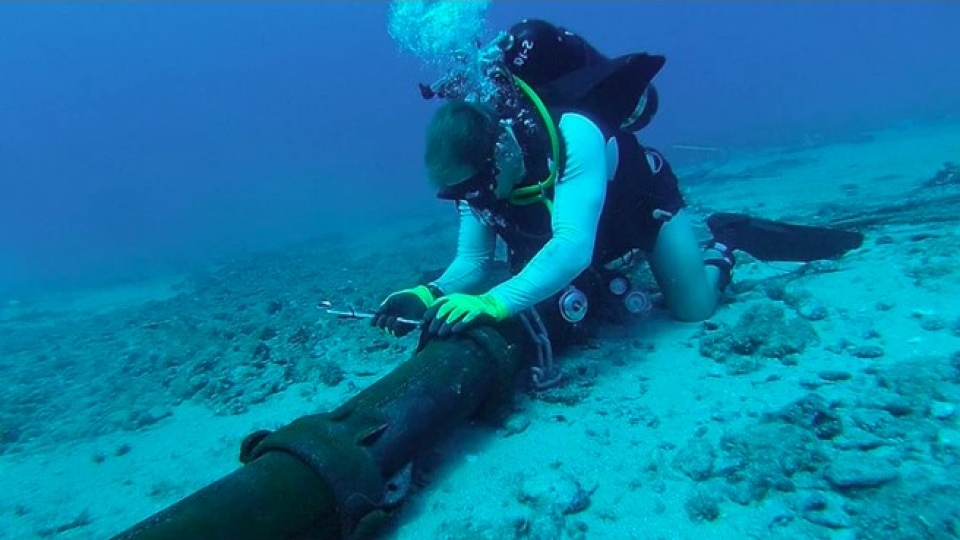
Internet crawls as another undersea cable encounters failure
VOV.VN - The Asia Pacific Gateway (APG) internet cable which connects Vietnam with the rest of Asia has encountered a new technical problem, while another one remains unfixed.