Australian funded program empowers women in northern Vietnam

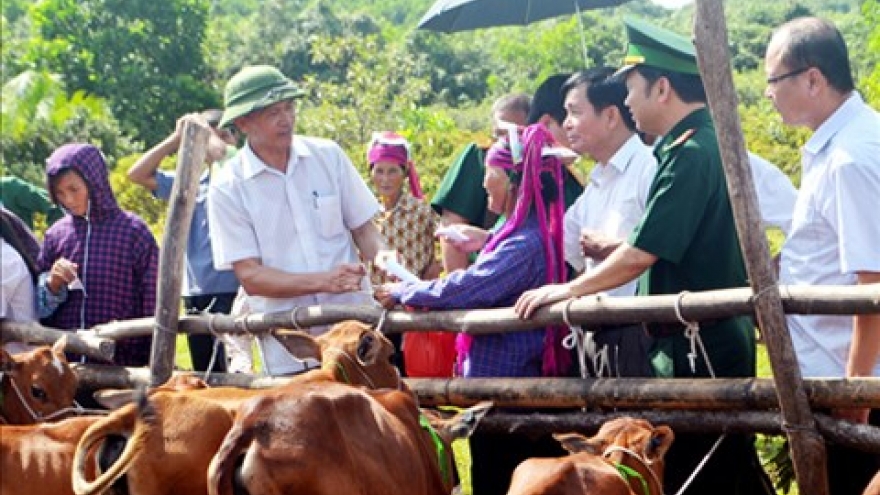
VOV.VN - In August 2016, Oxfam in Vietnam celebrated the launch of the Women’s Economic Empowerment through Agriculture Value Chain Enhancement program funded by the Australian Government.
 |
The Australian Government has committed US$1.9 million for the program, which targets supporting the empowerment of ethnic minority women specifically in the pork, cinnamon and banana value chains.
To this end, the program provides hands on training and mentoring to strengthen the women participants’ skills in marketing, finance, business planning and bargaining skills as well as increase their awareness of business law.
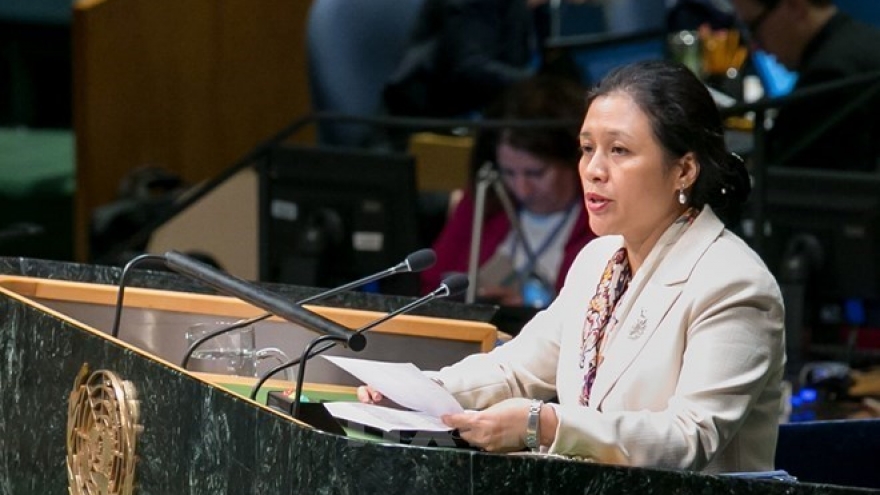
The pork, cinnamon, and banana value chains were selected, says Ms Despoja, because of their social, ecological and economic viability in the two northwest Vietnam provinces.
Lao Cai and Bac Kan, have been left behind by the economic growth that has been transforming the major metropolitan areas of Vietnam over the past few decades. Poverty and inequality stubbornly persists in these two provinces, particularly among ethnic minority women, because of the barriers they face to social and economic development.
She notes that in Bac Kan, banana farmers, the majority of whom are women, are vulnerable to price volatility because they depend on transporters, traders and exporters, and have limited bargaining power.
The challenges banana farmers face in production, handling and market access makes the industry unattractive to outside investors. Cinnamon producers are in a similar predicament and confront parallel challenges.
In Lao Cai, women are heavily involved in the farming of cinnamon but they are prevented from moving up the value chain ladder due to lack of skills in manufacturing, marketing and trading.
Small-scale swine farmers are responsible for most of the pork coming from Lao Cai, and most of those farmers are women.
These farmers struggle to survive in the face of foreign competition and the migration by farmers in the rest of the country to large-scale farms and pork production. They also are not highly skilled, lacking knowledge or understanding of matters related to controlling diseases, access to financing, and face inflated costs and low productivity.
Across each value chain, the potential of women farmers is also restricted by a cultural division of roles and responsibilities between men and women that exclude women from decision-making and leads to higher domestic and income-generating workloads placed on women in contrast to men.
Through activities and discussions involving both men and women, the project promotes equality between them so that women can enjoy increased participation in the decision-making process and in turn more benefits from their work in the banana, cinnamon and pork value chains.
The national and local government of these provinces have enacted many policies to promote agribusiness and support socio-economic development.
While these polices provide a supportive framework for WEAVE there remain gaps in their formulation and implementation, particularly in terms of social inclusion and gender equality, inadequate implementation, guidance and resourcing, and awareness of these policies among smallholder farmers.
WEAVE, says Ms Despoja, uses documented project experience to undertake evidence-based policy-influencing to ensure pertinent policies better promote the role of women in local economic development and the target value chains.