


46 years on, a family still bears the scars of Agent Orange

VOV.VN - For war veteran Do Duc Diu, the pain of war did not end when the fighting stopped 46 years ago, as 12 of his 15 children died after suffering health problems linked to Agent Orange exposure, leaving him to hope that his surviving children will continue to receive the care and support they need.
The war ended 46 years ago, but the effects of Agent Orange continue to haunt many families, leaving disabilities, illnesses and losses that can persist across generations.
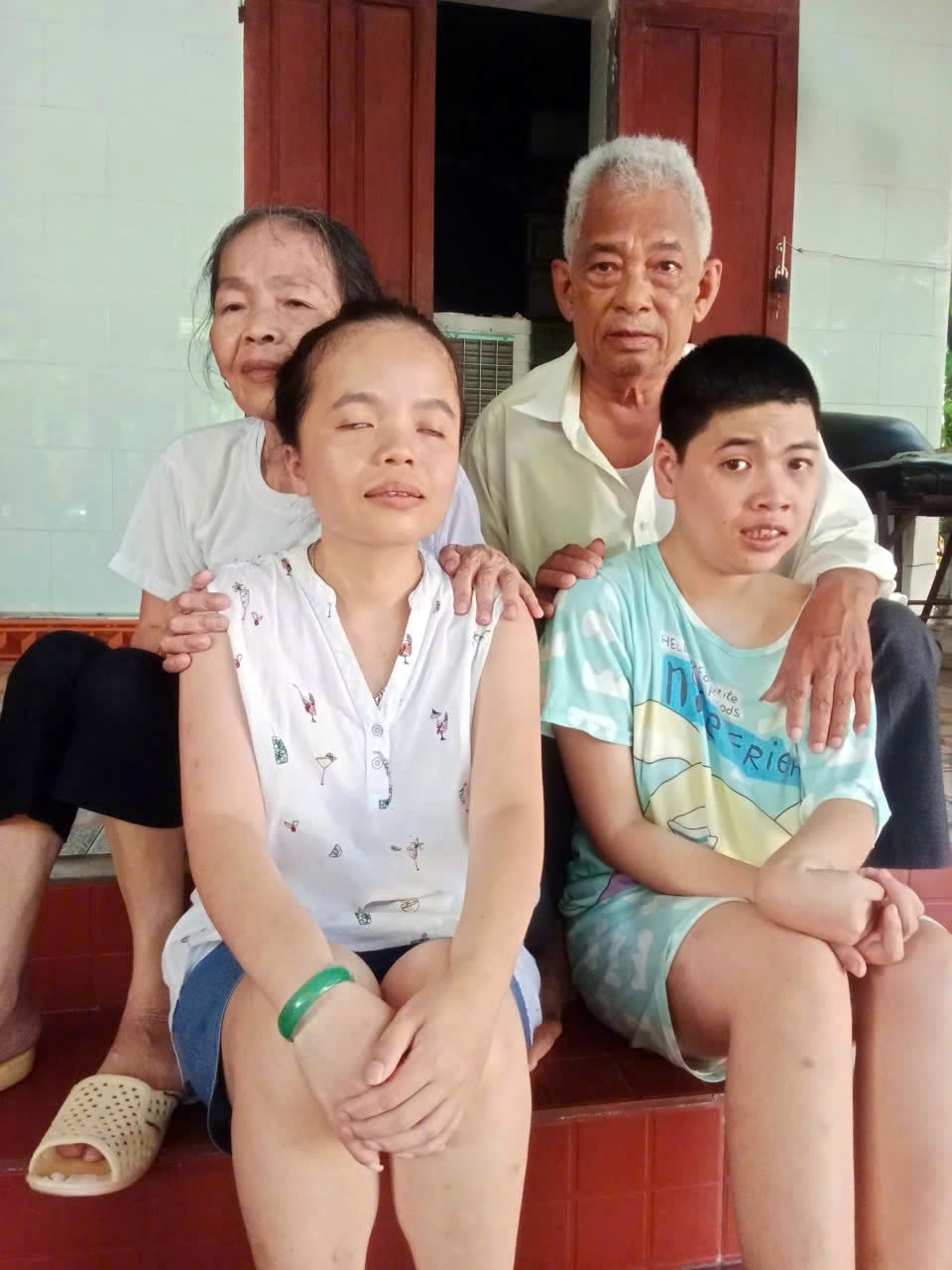
Vietnam currently has around 75,000 Agent Orange victims in the second generation, 35,000 in the third generation and about 2,000 in the fourth generation. Among them is the family of war veteran Do Duc Diu and his wife Pham Thi Nuc in Ha Thiep village, Quang Tri province. All 15 of their children were affected by Agent Orange exposure, and 12 died one after another.
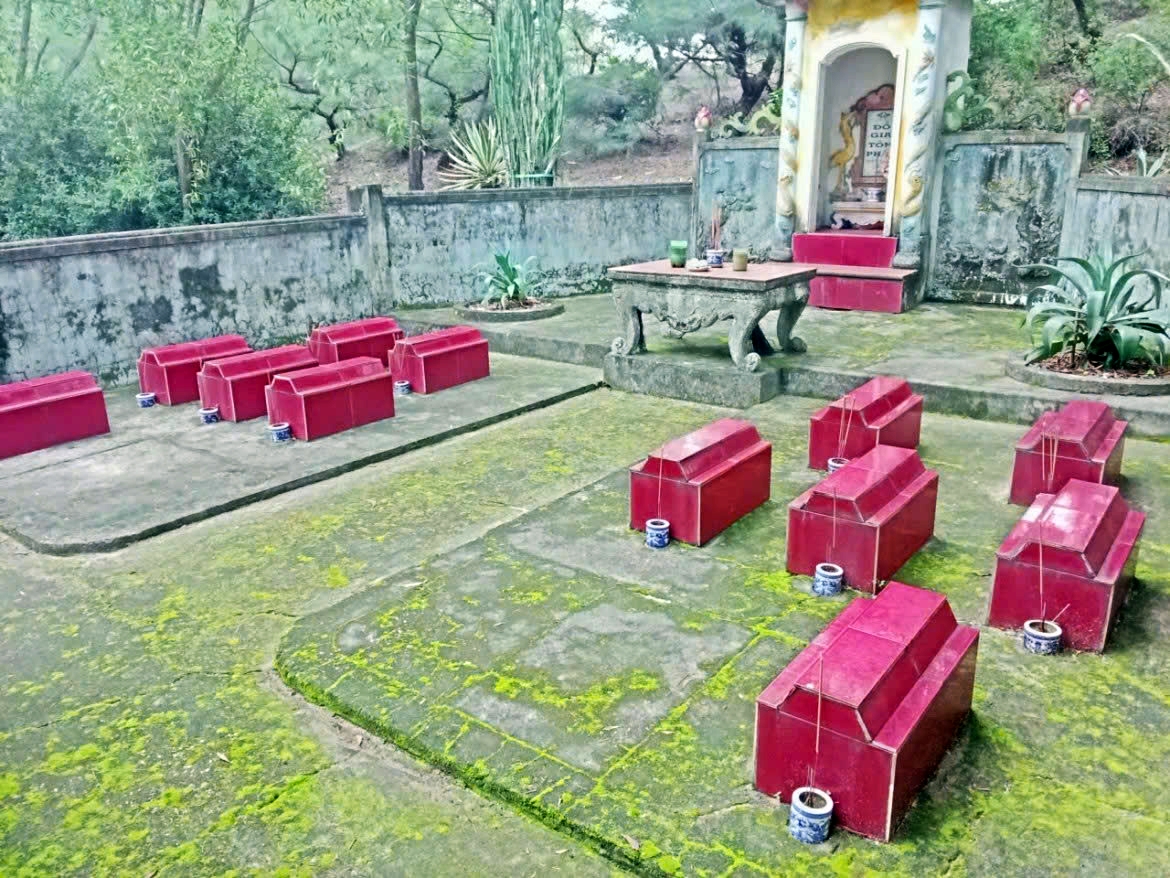
Behind the couple’s home stand 12 graves, lined up side by side and numbered from 1 to 12. Each grave belongs to one of their children, and each marks another loss the father had to endure.
There were months when Diu had to hold death anniversaries for three of his children. Twelve times, he made coffins with his own hands and carried his children to the garden behind the house to bury them.
From the battlefield to a life of loss
In 1972, Diu joined the army. After three months of training, he was assigned to a combat unit operating in the Truong Son forest and the Mo Tau area, in what was then A Luoi district, Thua Thien Hue province.
During the war, he saw trees stripped bare in the forest. At times, the water that collected on soldiers' hammocks was milky white, resembling rice water. At the time, neither he nor his comrades knew that these could be signs of Agent Orange exposure.
“We went swimming and drank water from the streams. Sometimes we saw a layer of milky-white scum, but we just ignored it,” he recalled.
After national reunification, Diu returned home, married Nuc and began a life he had hoped would be ordinary by raising children and watching them grow up. But their first child, Do Duc Hoa, lived for only two days. Their second child, Do Thi Binh, born in 1981, was the first to survive. Yet the births that followed brought one tragedy after another.
One child died while breastfeeding. Twin girls died one after another shortly after birth. Other children survived for only a few days, while some died almost immediately after being born.
Nuc was devastated, while Diu silently carried each child to the garden behind their home for burial.
For years, the couple did not know what was causing the repeated losses. Some relatives even blamed Nuc, saying she “did not know how to have healthy children.”
At one point, overwhelmed by despair, Diu left his family and married another woman, hoping he might have a healthy child. But the tragedy followed him.
After nearly three years, he returned to Nuc and told her: “I married another woman hoping to have a son, but that child died too. The fault was mine, not yours.”
It was only later, after Diu went to Hanoi for medical examination, that the cause gradually became clear. He was found to have been affected by Agent Orange.
After 13 pregnancies marked by repeated losses, Nuc became pregnant for the 14th time. The couple had both hope that the baby would be healthy and fear that the tragedy would happen again.
Fortunately, their daughter Do Thi Hang was born and survived. A year later, their 15th child, Do Thi Nga, was also born.
After 15 births, the couple had three surviving children. However, only Binh was relatively healthy. The other two continue to live with health problems and disabilities linked to Agent Orange exposure.
“This is the last one. She survived, but she is not as quick and healthy as other people. Of the three children who are still alive, only Binh is relatively normal. The other two have seizures, foam at the mouth and convulsions whenever there is a storm or extreme heat,” Diu said.
More than a decade fighting for a daughter's life
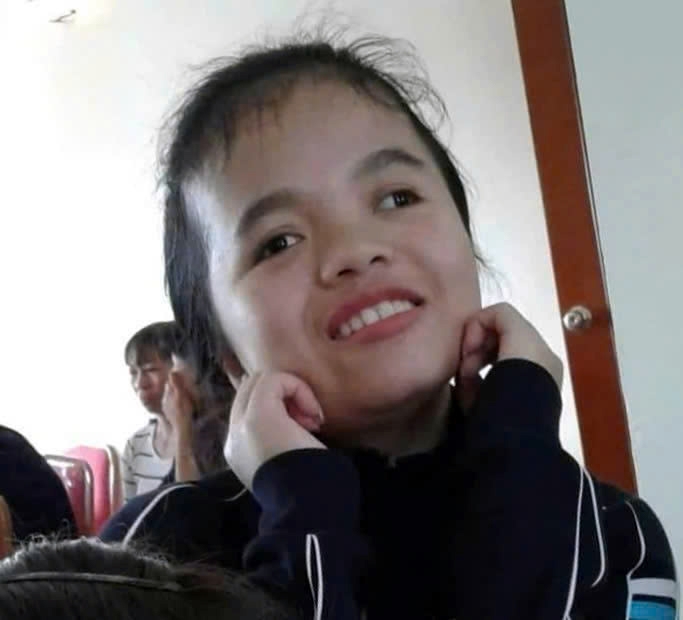
Of the three surviving children, 36-year-old Hang has endured a particularly difficult journey.
She was born partially paralyzed and was unable to move or take care of herself, relying entirely on her parents. To be able to stand, speak and perform some everyday tasks as she does today, she underwent eight surgeries. She later had her ovaries removed because of uterine fibroids and complications.
For more than a decade, Diu and Nuc did everything they could to pay for their daughter's treatment. They sold whatever they could, mortgaged their land and property, and used their modest pensions to cover medical expenses.
In 2015, during one surgery, doctors advised the family to prepare for the worst. As they prepared to take their daughter away for burial, Diu repeatedly thought he heard her calling: “Dad, don't bury me. I'm still alive.”
At first, he thought the unbearable grief had made him imagine the voice. But when he heard it again, he nervously opened the coffin, touched his daughter's nose and realised that Hang was still breathing.
He immediately took her to hospital, determined to do everything possible to save her. Hang then survived.
Years of illness and suffering sometimes made her blame her fate and even resent her father. But as she grew older, she came to understand that behind her own pain was the lifelong suffering of her parents.
For more than a decade, they had devoted themselves to her treatment, selling whatever they could and mortgaging their property in an effort to keep her alive.
Hang therefore does not want to be someone who only receives care. She now makes handmade postcards to sell and plans to learn how to sell products online so that she can earn a small income and take greater care of herself.
For her, this is also a way of showing her parents that she can still work, live a meaningful life and give them something to be proud of.
A parents' fear for their children's future
What hurts Hang most is a wish expressed by her parents. Whenever people ask what they want most, Diu and Nuc often say they hope their children living with disabilities will pass away before them. They fear that if their children outlive them, there will be no one left to care for them.
Hang’s greatest wish is therefore simple that her parents are healthy, that her siblings can live as normally as possible, and that the suffering caused by Agent Orange will not continue to haunt their family.
She hopes she will not have to undergo more surgeries, so that the family can live in peace and pursue their simple dreams together.
For Diu, his love for the children who are still alive has become a reason to keep going. After all the losses, he understands that those who have died cannot return, but the children who remain still need care every day.
“Agent Orange is more frightening than war”
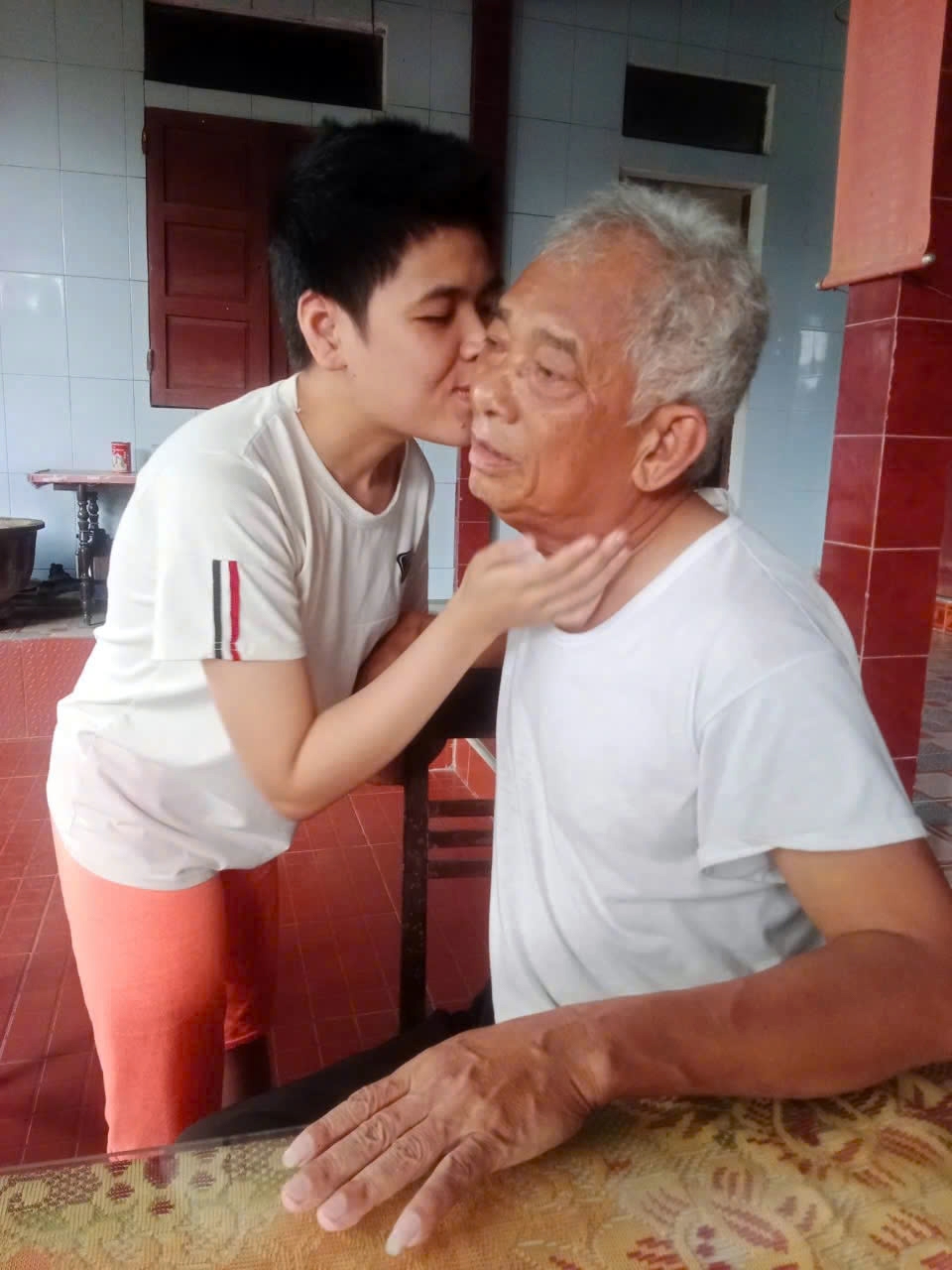
At 75, after years of fighting in the war and nearly half a century living with its consequences, Diu said he is not afraid of war.
What he once faced were bombs, danger and the constant possibility of death on the battlefield. But what haunts him most is Agent Orange and the suffering it has caused his children.
Recalling the most painful experience of his life, Diu said he had never been afraid of the hardships of fighting to defend his country. But after returning home, what happened to his children made him realise that another kind of pain could last far longer than the war itself.
“I never feared war, but Agent Orange still haunts me. After the war, I married and had children, hoping to raise them, care for them and see them carry on with their lives. But 12 of my children died one after another, while those who survived were left with health problems and disabilities. When I think about Agent Orange, I feel truly haunted and afraid,” he recalled.
What weighs most heavily on him is knowing that the effects he carries have also affected his children. He knows he cannot overcome those consequences alone and hopes to receive continued support from organisations and the wider community so that his surviving children can receive the care they need.
“There is nothing I can do for the children who are gone, but I feel even more for those who are still with me. As long as there is still hope, I will keep fighting and stay healthy enough to care for them. Every day I have with my children is precious,” he said.
As he grows older, however, Diu's greatest concern is what will happen when he and his wife are no longer there. He hopes the pain caused by Agent Orange will not be forgotten, that victims will continue to receive care and support, and that science will find more ways to ease the lasting effects of the chemical.
Forty-six years on, the 12 graves behind the house remain, quietly marking the lives of children who never had the chance to grow up.
For Diu, each grave is not only a reminder of his family's losses but also a reminder that the consequences of war are still present in people's lives today.
The war ended decades ago, but for the Diu family, the battle against the legacy of Agent Orange is far from over.

Agent Orange victims' association honoured for humanitarian work
VOV.VN - The Vietnam Association for Victims of Agent Orange/Dioxin (VAVA) was awarded the Second-Class Labour Order at a ceremony in Hanoi on August 4, in recognition of its contributions to protecting the rights and improving the lives of Agent Orange victims.


