


Vietnam performs nearly 11,000 successful organ transplants

VOV.VN - Vietnam has carried out nearly 11,000 successful organ transplants after more than 30 years of development, but shortages of donated organs, particularly from brain-dead donors, continue to pose a major challenge as thousands of patients still await transplants to survive.

The Ministry of Health on May 20 held the “Organ and Tissue Donation Day – Giving Lives On Forever” program at Hanoi Medical University, attended by Party Central Committee Secretary and Deputy Prime Minister Pham Thi Thanh Tra, Minister of Health Dao Hong Lan, representatives from ministries, hospitals and families of organ donors.
According to the Ministry of Health, May 20 was selected as the annual Organ and Tissue Donation Day to honor donors and their families for making deeply humane decisions that have saved many lives. The event also aims to raise public awareness of organ and tissue donation after brain death and gradually remove psychological, religious and social barriers surrounding the issue.
Vietnam performed its first kidney transplant in 1992 and has since developed advanced transplant capabilities including heart, liver, lung and multi-organ transplants, as well as transplantation from brain-dead donors. Over the past two years, more than 1,000 organ transplants have been carried out annually nationwide.
While only five major central hospitals were previously capable of performing organ transplants, 34 hospitals have now been licensed by the Ministry of Health to conduct the procedures.
As of 2025, the nation had recorded more than 10,878 organ transplants nationwide, including 1,212 in 2024 and 1,368 in 2025.
More than 177,000 people have registered to donate organs and tissues after death. The number of brain-dead organ donors has also increased in recent years, with 41 cases recorded in 2024, 66 in 2025 and 25 in the first months of 2026.
Despite these achievements, organ and tissue donation in Vietnam still faces major challenges. Around 90% of transplants currently rely on living donors, while organs donated after brain death- a source that can save multiple patients at once, remain limited. The shortage of donated organs has left many patients unable to receive transplants in time.
Speaking at the event, Minister Dao Hong Lan described organ transplantation as one of modern medicine’s greatest achievements, where medical technology is closely linked with medical ethics and humanitarian values. She said the success of Vietnam’s transplant sector reflects not only the expertise of medical workers but also the humanitarian spirit of organ donors and their families.
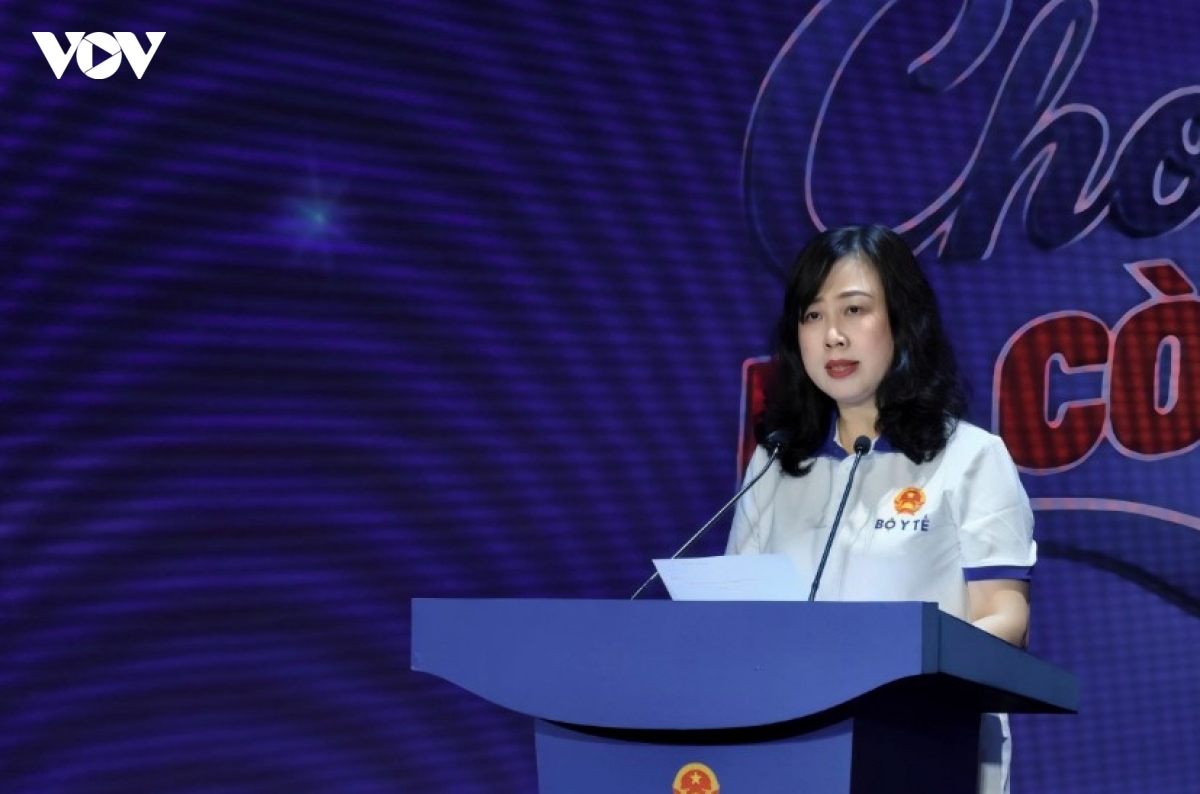
The Health Minister expressed deep gratitude to “ambassadors of life” who overcame personal loss to give others a chance to live. She said the message “Giving Lives On Forever” represents not only the theme of the program but also a humanitarian spirit spreading widely across society.
Dao Hong Lan said the Ministry of Health would continue improving legal frameworks related to organ and tissue donation and transplantation, strengthen professional capacity, expand coordination networks and expand the application of digital technologies in transplant management and coordination. She also reaffirmed the health sector’s commitment to ensuring transparency in organ coordination and continued support for donor families.
In her speech, Deputy Prime Minister Pham Thi Thanh Tra described organ and tissue donation as a profound humanitarian gesture beyond its medical significance, reflecting the spirit of “Giving Lives On Forever.” She added that when one life ends, many others can continue thanks to the invaluable gifts of organ donors.
She praised Vietnam’s progress in organ transplantation, with nearly 11,000 successful procedures helping save tens of thousands of patients. Behind those achievements, she said, are the dedication of medical teams and the quiet sacrifices made by organ donors and their families.

She also stressed that demand for organ transplants remains high, with thousands of patients still waiting for organs to survive. Changing public perceptions and encouraging more people to register as donors therefore is an important task for society as a whole.
“This is not simply the launch of a campaign. Together, we are lighting a flame of love, compassion and the aspiration to spread the message that giving lives on forever,” Deputy PM Tra emphasized, adding that she will personally register to donate organs and tissues on the launch day of the initiative.
At the event, the Ministry of Health announced plans for the annual Organ and Tissue Donation Day on May 20, posthumously presented the health minister’s commemorative insignia and honored outstanding organ and tissue donor families, while also launching an organ and tissue donor registration campaign for patients in need of transplants.
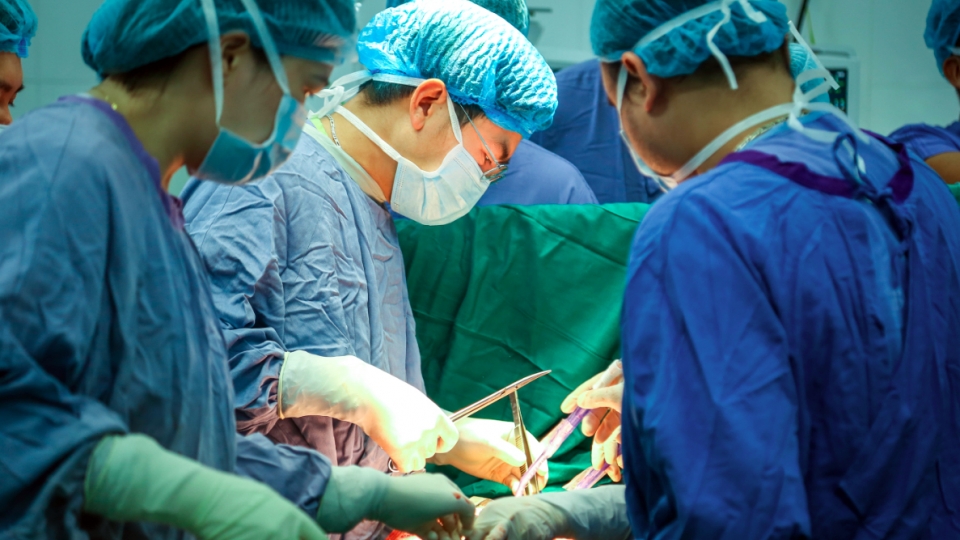
Vietnamese doctors successfully perform first domino multi-organ transplant
VOV.VN - Vietnamese doctors have successfully performed the first domino multi-organ transplant, a groundbreaking procedure in which a patient with hereditary amyloidosis received a simultaneous heart and liver transplant, while the patient’s healthy liver was transplanted into another patient with liver cancer.
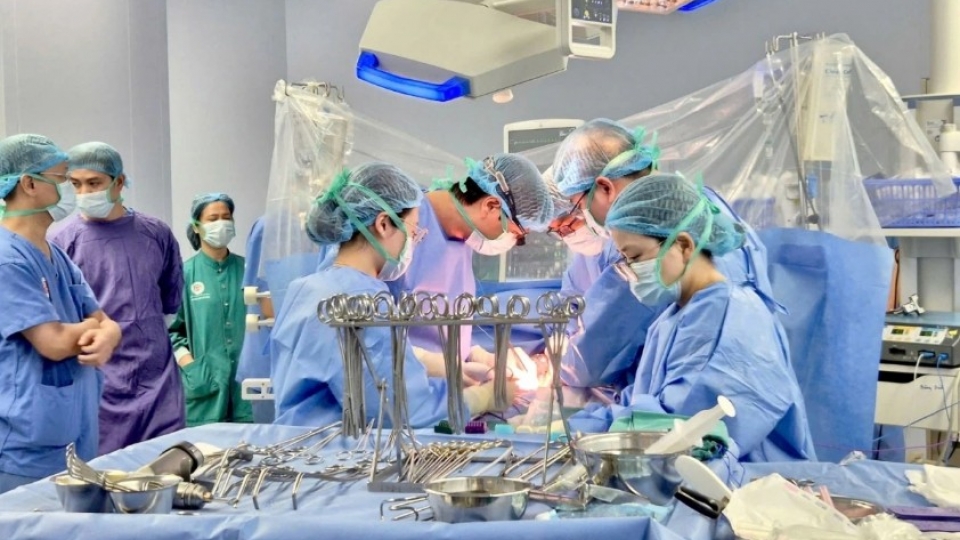
Over 1,300 lives saved through tissue and organ transplants at Military Central Hospital 108
VOV.VN - Since performing its first kidney transplant in December 2016, Military Central Hospital 108 has carried out more than 1,300 successful tissue and organ transplants, building a comprehensive transplant ecosystem.

