Human development seen as crucial to Vietnam’s digital-era transition

VOV.VN - Vietnam is approaching a Human Development Index (HDI) score of 0.8, the level classified by the United Nations Development Programme (UNDP) as high human development, showing improvements not only in income and economic growth, but also in education, healthcare and quality of life.
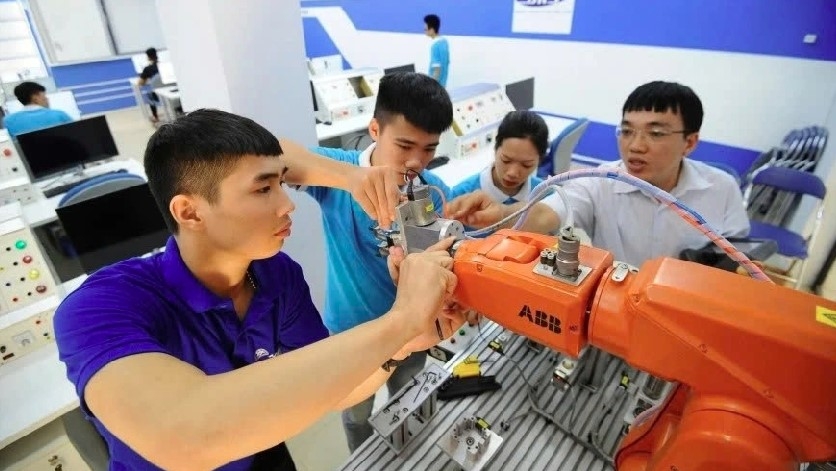
However, as digital transformation and artificial intelligence reshape the global economy, international organizations say workforce quality will determine whether Vietnam can make a breakthrough in its next stage of development.
According to UNDP reports, Vietnam has recorded one of the world’s fastest improvements in human development over the past three decades. The country’s HDI rose from 0.499 in 1990 to around 0.766 in 2023, bringing the country closer to the group of countries with high human development.
Ramla Khalidi, Resident Representative of the UNDP in Vietnam, said Vietnam had emerged as a rising economic power, with millions lifted out of poverty since the launch of Doi Moi (renewal) process, stable economic growth and deeper integration into the global economy.
Progress in human development has made Vietnam a model for people-centered development, Khalidi stressed.
At the same time, international organizations note that numerous challenges remain behind the positive figures. When adjusted for inequality, Vietnam’s HDI declines considerably, indicating that development gaps between regions and population groups persist.
The United Nations says Vietnam’s biggest challenge in the coming period will be maintaining economic growth while ensuring inclusive and sustainable human development as the world enters a period of rapid digital transformation.
Vietnam’s human development goals in the years ahead will be closely tied to its ability to benefit from digital transformation, innovation and improvements in workforce quality.
Pauline Tamesis, United Nations Resident Coordinator in Vietnam, described the target as ambitious but achievable.
Its international integration networks will help Vietnam expand trade, attract investment and facilitate technology transfer, which are key factors in shifting toward a green and digital economy, Tamesis said.
“Vietnam also has opportunities to access global knowledge and scientific advances, particularly in areas such as digital transformation, artificial intelligence governance and innovation.
International organizations say global competition is increasingly becoming a race centered on workforce quality rather than natural resources or low-cost labor.
In recent reports on the future of jobs, the World Economic Forum said artificial intelligence and automation are rapidly reshaping the global labor market, putting many traditional skills at risk of becoming obsolete. The shift requires workers to continuously strengthen digital skills, creativity and adaptability to new technologies.
Despite entering a period of population aging, Vietnam is still viewed by many international organizations as having a workforce that adapts relatively quickly to new technologies and has strong potential for digital economic development.
Vietnam’s goal of becoming a high-income country by 2045 will require the economy to transition toward a growth model driven by knowledge, technology and innovation.
Speaking at the Vietnam-China Education and Innovation Cooperation Forum during a recent visit to China, Party General Secretary and State President To Lam stressed that education, training and the development of high-quality human resources must be a top priority.
“Vietnam needs a new generation with a strong scientific foundation, the ability to master modern technologies, innovative thinking and the ability to integrate internationally. I believe investment in people, education and scientists is investment in the future,” To Lam said.
International human development reports also note that artificial intelligence could create major opportunities to improve productivity and expand access to education and healthcare. At the same time, organizations warn that without effective governance, the technology could widen inequality and leave parts of the workforce behind.
In this context, the goal of reaching an HDI of 0.8 is increasingly seen as a measure of a country’s ability to develop its people in the digital age, alongside income and living standards.
International assessments indicate that Vietnam has favorable conditions to advance further.
However, turning human resource potential into a competitive advantage and adapting to the profound changes of the digital era will depend on improving workforce quality, expanding digital skills and ensuring equal development opportunities for all citizens. International organizations say these factors will be decisive in helping Vietnam achieve its goal of becoming a high-income country by 2045.
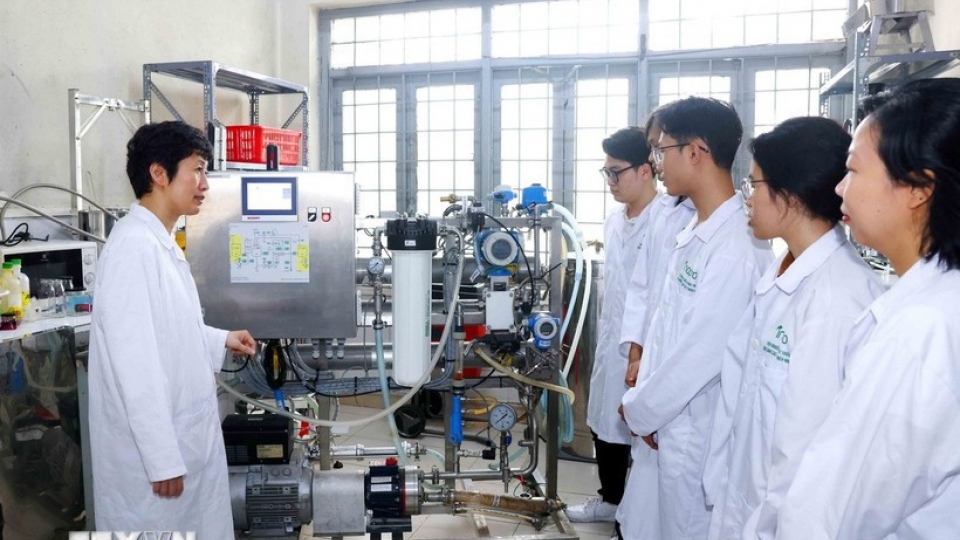
Human resources breakthrough - sustainable foundation for development
Achievements recorded over the past five years in developing human resources - one of the three strategic breakthroughs defined by the Party, has greatly contributed to improved human resources quality, enhanced national competitiveness and a solid foundation for the next stage of development.