




Vietnam calls for enhanced international cooperation to spur sustainable development

VOV.VN - Vietnam has called for strengthened global partnerships and enhanced international cooperation to address financing gaps and boost sustainable development at a general debate of the UN General Assembly’s Second Committee (Economic and Financial Committee) in New York.
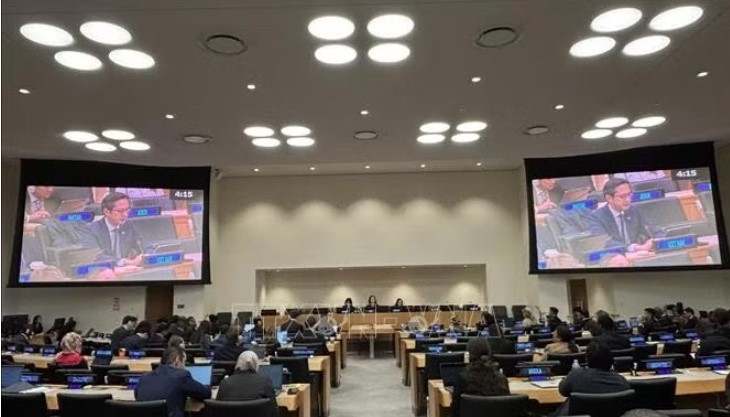
Speaking at the two-day general debate on October 5-6, UN Under-Secretary-General for Economic and Social Affairs Li Junhua warned that intersecting crises are slowing progress toward the Sustainable Development Goals (SDGs), with global economic growth projected at 2.6% in 2026 and an annual financing gap exceeding US$4 trillion.
Addressing the discussion, Ambassador Do Hung Viet, Permanent Representative of Vietnam to the UN, expressed concern that progress toward the SDGs remains limited and uneven with only four years left to achieve the targets, as developing countries suffer heavy impacts from economic instability, widening development gaps, climate change, and global economic fragmentation.
Sharing Vietnam’s experience, Ambassador Viet noted that 2026 marks an important milestone as Vietnam becomes an upper-middle-income country, reflecting four decades of Doi Moi (Renewal) and persistent efforts to improve people's livelihoods. However, attaining a higher income level does not mark the end of the development journey, as the nation continues to face long-standing challenges and new demands.
Building on this reality, the Vietnamese diplomat emphasized that countries at different development levels require appropriate support and partnerships. Vietnam called for strengthened global partnerships to build capacity in developing countries, ensure fair access to new and emerging technologies, thereby enabling nations to acquire the knowledge, skills, and technology necessary for innovation, enhanced competitiveness, and momentum for the next stage of development.
The country also urged accelerated reform of the international financial architecture to be more inclusive and responsive to developing nations, while strengthening the voice and representation of developing countries in global economic governance.
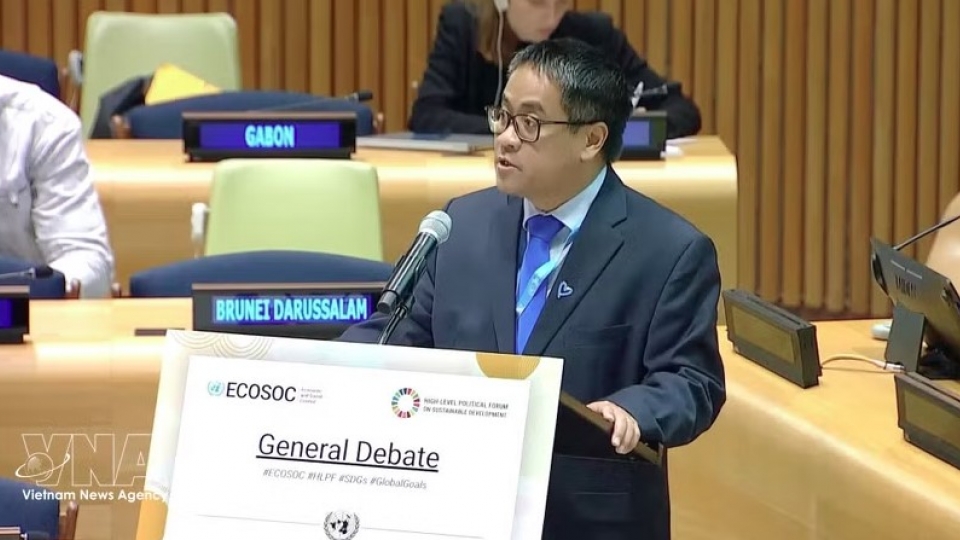
Vietnam calls for stronger international cooperation to achieve SDGs
Vietnam has called for stronger action by the international community, including greater technology transfer, digital inclusion, capacity building, and sustainable financing for developing countries, to accelerate progress towards the UN Sustainable Development Goals (SDGs) as the 2030 deadline approaches.
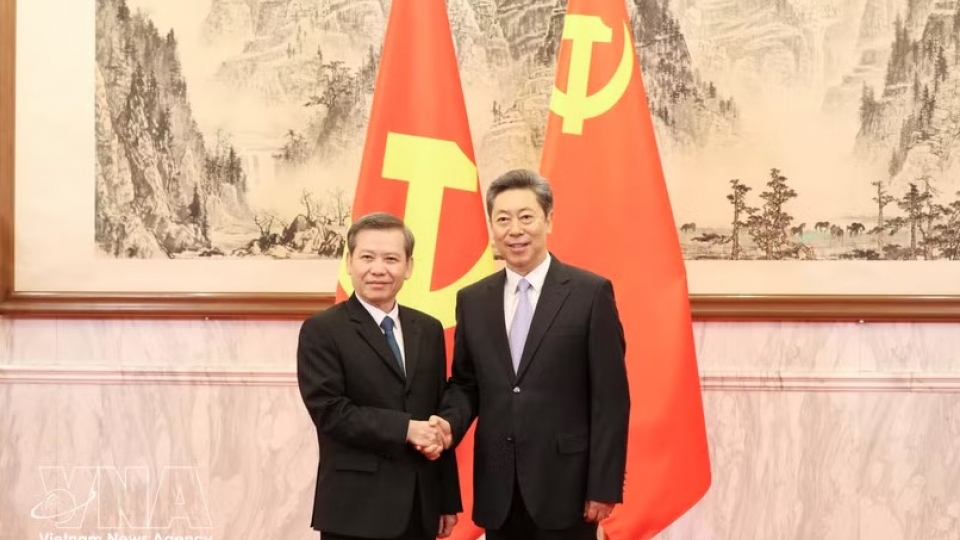
Vietnamese, Chinese Parties strengthen cooperation in internal affairs, inspection
The Communist Party of Vietnam (CPV) and the Communist Party of China (CPC) are seeking to strengthen cooperation in the fields of internal affairs, political-legal matters, disciplinary inspection and supervision.

