UK scholar lauds CPV’s strategic leadership

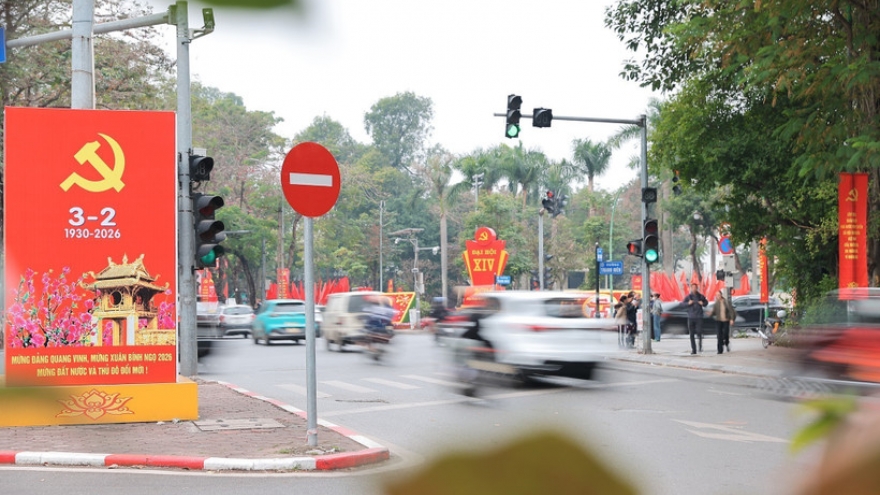
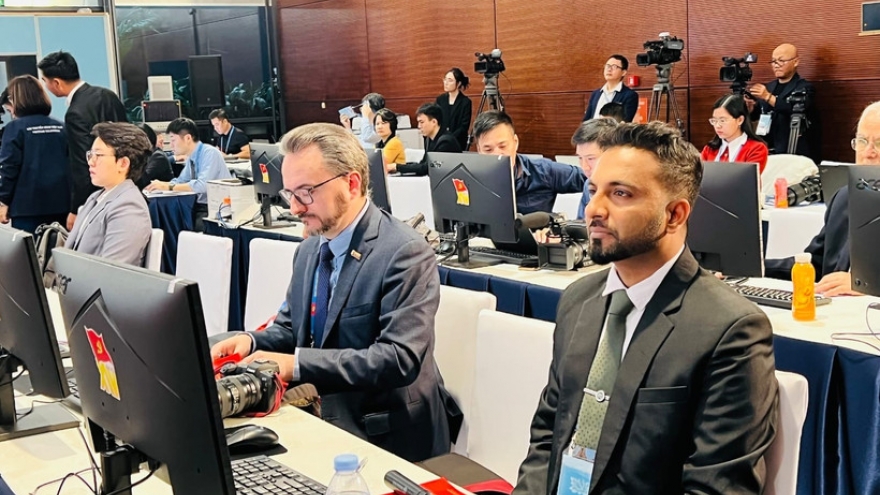
Kyril Whittaker, a scholar from the UK, has underscored the Communist Party of Vietnam (CPV)’s strategic leadership and adaptability amid global changes, noting that each Party Congress opens a new phase of progress for the country.
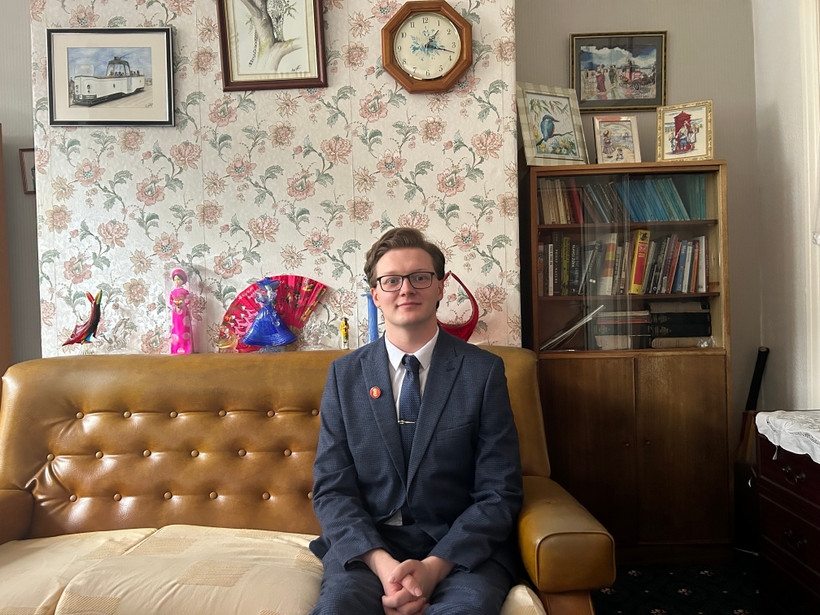
In a recent interview with the Vietnam News Agency (VNA)’s correspondent in the UK on the occasion of the 96th founding anniversary of the CPV (February 3, 1930-2026), Whittaker highlighted Vietnam’s notable achievements in foreign affairs, governance, and development, saying that from improving literacy rates and environmental protection to agricultural policy, housing, and national defence, Vietnam has made significant strides through each Party Congress.
Since the liberation of the south and national reunification (April 30, 1975), Vietnam has undergone profound transformation, beginning with post-war recovery and reconstruction, and achieving clear progress in health care, disease prevention, housing, and the eradication of social ills.
The launch of the Doi Moi (renewal) process in 1986 laid the foundation for the country to continue building socialism, pursuing the goal of developing a Vietnam "ten times more beautiful,” he noted.
He emphasised the special significance of the 14th National Congress of the CPV, held as the country enters a new development era marked by rapid development, the inheritance of past achievements, and the shaping of a future development roadmap, including key projects such as the North–South high-speed railway and the goal of providing free basic health care for all citizens by 2030.
The Congress’s theme - “Solidarity – Democracy – Discipline – Breakthrough – Development,” - is not merely a slogan but a guiding principle for policymaking and the nation’s development path, the scholar added.
According to the expert, democracy is reflected in placing diplomacy at the centre of national policy, alongside accelerated administrative reform and technological innovation as breakthroughs to propel Vietnam into a new development period, with science and technology identified as core priorities in the 14th Party Congress’s documents. Development, meanwhile, extends beyond the implementation of specific projects to encompass overarching goals, as reflected in targets for economic growth, environmental protection, health care, education, and other key sectors.
He observed that progress in national governance has gone hand in hand with the elevation of Vietnam’s diplomacy to a strategic plane, evidenced by broader and deeper international engagement, stronger strategic partnerships, and agile responses to global challenges. These achievements, he added, clearly reflect the strategic vision and development orientations set out at Party Congresses.
According to Whittaker, Vietnam has steadily expanded its relations with countries worldwide, and effectively addressed international challenges, thanks to a proactive foreign policy elevated at the 14th Party Congress as a key and ongoing pillar of national governance. He noted that Vietnam’s comprehensive diplomacy—spanning Party, parliamentary, people-to-people, economic, and cultural channels—has been central to strengthening international friendship and cooperation.
The scholar said the goals set out at the 13th Party Congress—maintaining peace and stability and enhancing Vietnam’s international position —have been achieved. Between the 13th and 14th Congresses, Vietnam expanded relations with many countries worldwide, established 14 comprehensive strategic partnerships, including 11 established after the 13th Congress. Vietnam was also re-elected to the UN Human Rights Council for a third term, securing the highest number of votes in the Asia–Pacific region. It has also further strengthened traditional ties with communist parties worldwide.
Vietnam’s growing international standing stems not only from its expanding external ties and international roles, but also from domestic policies that enhance its global credibility, notably its net-zero target by 2050 and long-recognised achievements in education that offer valuable lessons for countries at all development levels, he went on.
US-based scholar describes 14th Party Congress as most pivotal in CPV's history
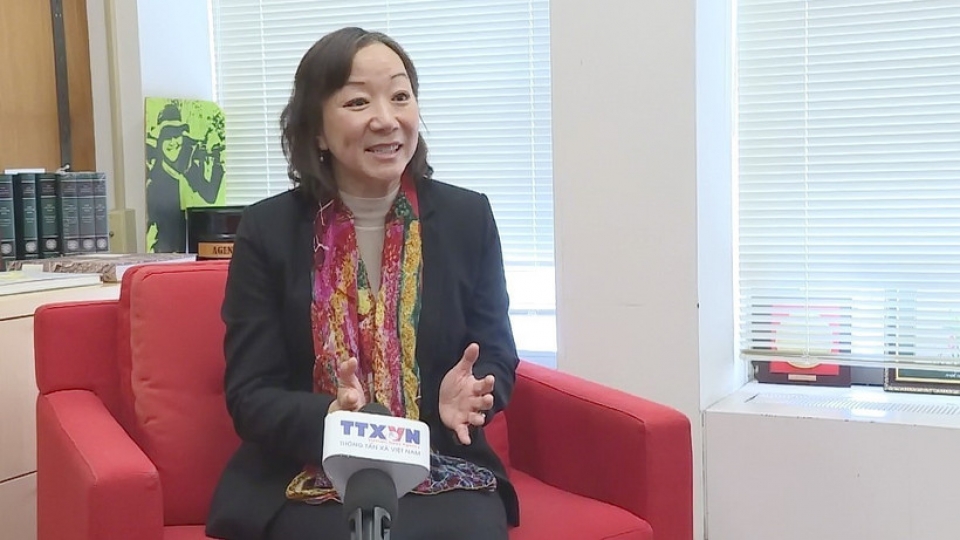
On the occasion of the 14th National Congress of the Communist Party of Vietnam (CPV), Professor Nguyen Thi Lien Hang, Director of the Weatherhead East Asian Institute at Columbia University in the US, has shared assessments of the particular significance of such a major event for Vietnam’s development trajectory.