


Taking Vietnam-Japan Comprehensive Strategic Partnership to new heights

VOV.VN - General Secretary of the Communist Party of Vietnam Central Committee and President To Lam, his spouse, and a high-level Vietnamese delegation left Hanoi today (November 8) for an official visit to Japan at the invitation of the Japanese State.
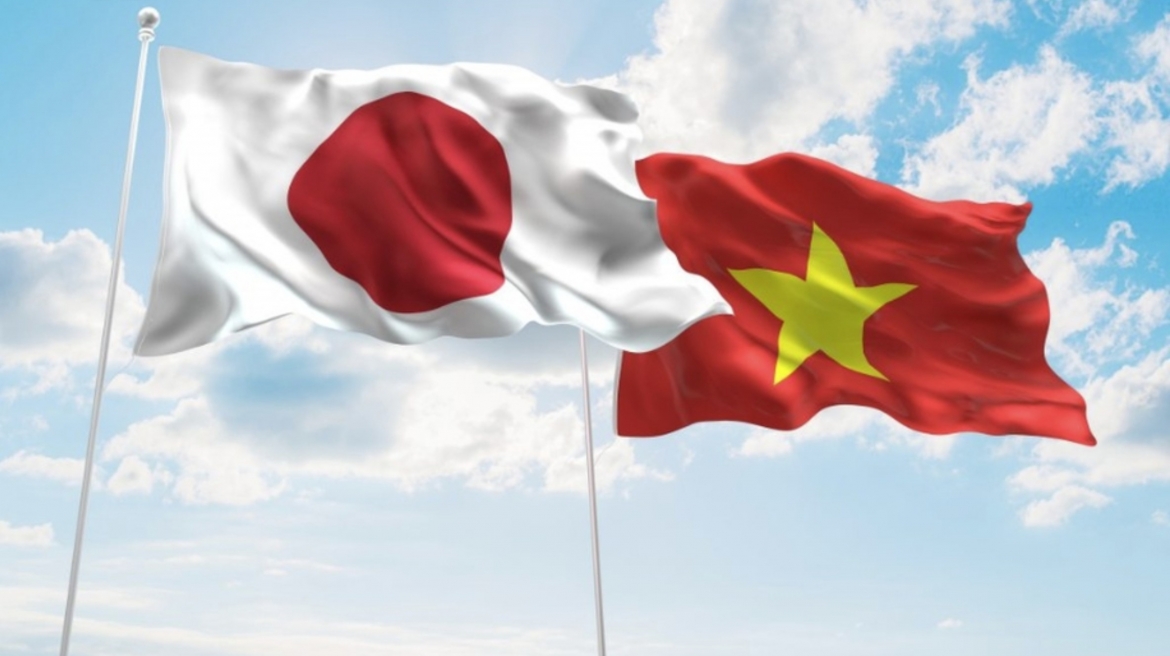
The visit carries special significance as both Vietnam and Japan have recently formed new leaderships and are actively pursuing development and growth targets. It marks a historical milestone opening a new phase of development with a new stature for bilateral relations.
Vietnam and Japan officially established diplomatic relations on September 21, 1973. Over 50 years of cultivation and development, the friendly relations and cooperation between both nations have been continuously consolidated and comprehensively developed across all fields, becoming a bright spot in implementing the foreign policy of independence, self-reliance, diversification, and multilateralization of international relations of the Party and State of Vietnam.
After more than five decades, the bilateral framework has been steadily upgraded, from "reliable, stable, and long-term partnership" established in 2002 to "strategic partnership for peace and prosperity in Asia" in 2009, "extensive strategic partnership for peace and prosperity in Asia" in 2014, and "comprehensive strategic partnership for peace and prosperity in Asia and the world" in November 2023.
The bond between Vietnam and Japan is built on similar cultural values, long-term common interests, and the sincere, warm sentiments between their people. Bilateral ties have developed comprehensively across all areas, with political trust continuously reinforced and high-level commitments and agreements seriously and effectively implemented.
Both sides maintain and upgrade numerous substantive dialogue cooperation mechanisms. Every step forward in bilateral relations reflects the persistent efforts and high determination of generations of Vietnamese and Japanese leaders. Economy, trade, and investment represent outstanding highlights in bilateral cooperation. Two-way trade turnover maintained stable and balanced growth, reaching approximately US$52 billion in 2025, double the 2014 level. During the nine-month period of 2026, total trade volume between the two countries hit nearly US$44 billion, an increase of over 15% compared to the same period in 2025.
Regarding foreign direct investment (FDI), cumulative figures as of September 30, 2026 show Japan has approximately 5,872 valid projects with total registered capital exceeding US$81 billion, ranking third among countries and territories investing in Vietnam. Currently, about 2,000 Japanese enterprises operate in Vietnam, with investment focused on manufacturing and processing, electricity production and distribution, and real estate business.
Cooperation between the two countries has also progressed positively in agriculture, labor, education, and climate change response. Vietnam is the first country in the world to officially introduce Japanese into school curricula. Meanwhile, Japan is one of the largest donors to Vietnam's education and training sector. Notably, cooperation in emerging fields such as digital transformation, green transition, artificial intelligence, and semiconductors is increasingly emphasized and promoted. Both sides have agreed on a list of 15 projects with a total capital of approximately US$20 billion prioritized for deployment in the green energy sector, with several projects already underway, including power transmission network and biomass power projects.
In terms of culture, the two nations share many similarities, with a long history of exchanges. Cultivation by generations has created a tight-knit and sustainable relationship. Nearly 700,000 Vietnamese people living and working in Japan contribute to the socio-economic development of both Japan and Vietnam.
Vietnam and Japan also coordinate effectively at international forums such as the United Nations, ASEAN+, APEC, and ASEM, contributing to enhancing the roles of both countries in the region and the world.
It can be said that Vietnam-Japan relations are in their best stage of development, with very high political trust. Japan actively supports Vietnam on many issues at bilateral and multilateral forums. This demonstrates that the Northeast Asian nation attaches importance to and wishes to strengthen the Comprehensive Strategic Partnership with Vietnam across all fields, while also reflecting our country's position and international prestige.
The visit by Party General Secretary and President To Lam demonstrates Vietnam's foreign policy of independence, self-reliance, resilience, multilateralization, and diversification of external relations. It contributes to deepening and bolstering more substantive the relations and cooperation across all Party, State, National Assembly, and people-to-people channels between Vietnam and Japan, enhancing political trust and consolidating personal ties between both nations’ leaders.
At the same time, the visit will create breakthroughs and establish cooperation mechanisms toward equality and mutual benefit, maximizing the strengths of both countries in economics, finance, science-technology, innovation, education-training, labor, locality-to-locality cooperation, digital transformation, green transition, supply chain diversification, and strengthened defense and security cooperation, thereby contributing to consolidating a peaceful and stable environment for development.
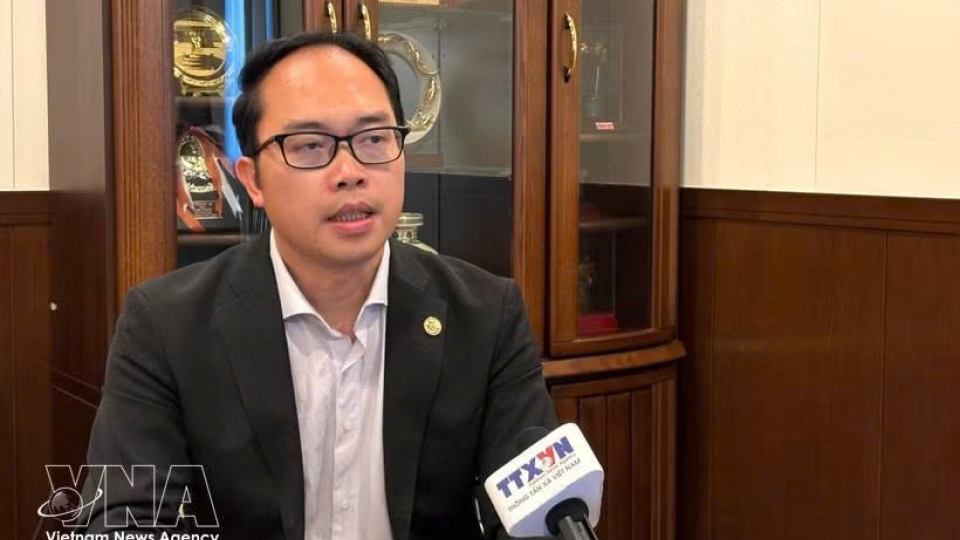
Top leader’s Japan visit expected to create new momentum for Vietnamese community
The upcoming visit to Japan by General Secretary of the Communist Party of Vietnam (CPV) Central Committee and President To Lam is hoped to open up practical cooperation opportunities and create fresh momentum for the Vietnamese community to strengthen its role as a bridge of friendship between the two countries.
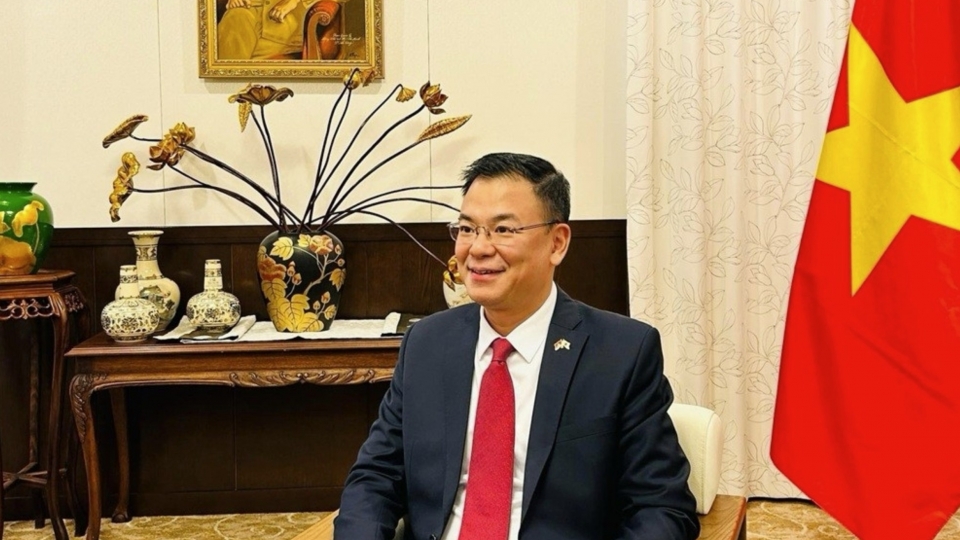
Top leader To Lam’s Japan visit to bring strategic cooperation to new heights
VOV.VN - Vietnamese Ambassador to Japan Pham Quang Hieu has expressed expectations that the upcoming visit to Japan by General Secretary of the Communist Party of Vietnam Central Committee and President To Lam will create fresh impetus for comprehensive bilateral cooperation.


