Russian curator praises cultural vision of 14th National Party Congress

A Russian curator has described the 14th National Party Congress as an event of historic significance, saying this is the first time that culture has not only been mentioned frequently in congress documents but also highlighted as a strategic principle for the long-term development of Vietnamese society.
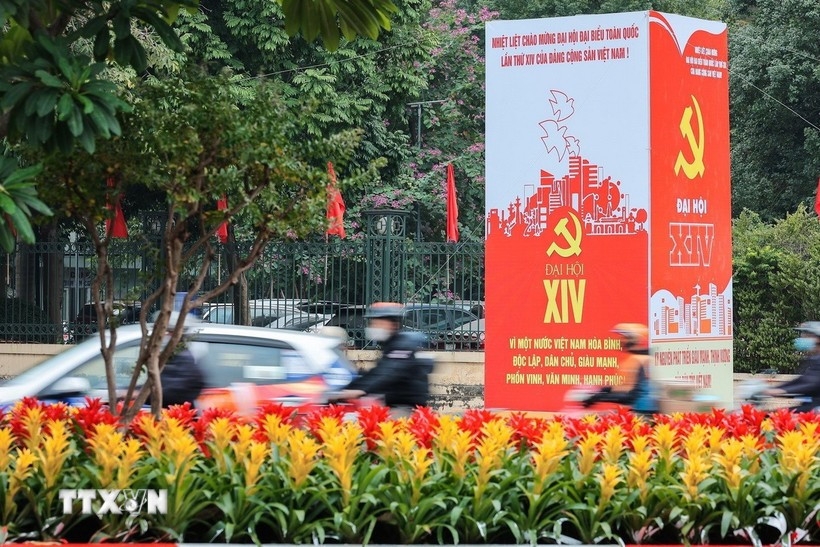
This demonstrates that culture and people are being placed at the centre of the development process, closely linked with economic growth and the resolution of social issues in Vietnam, said Albina Sergeevna Legostaeva, head of the exhibitions and permanent collections division at the State Museum of Oriental Art and a well-known curator of Vietnamese art in Russia.
She told a Vietnam News Agency correspondent in Moscow, that culture is not only a spiritual foundation but also a strategic national asset. Cultural ties form an important basis for political dialogue both domestically and internationally. In this context, strengthening cultural diplomacy and people-to-people diplomacy would help build a positive and sustainable image of Vietnam on the global stage. According to her, Vietnam’s rich traditional culture has become, and continues to serve as, a solid foundation for the development of its modern culture.
In particular, Legostaeva highly praised Politburo Resolution No. 80-NQ/TW on the development of Vietnamese culture, describing it as a well-designed and balanced strategy for the future. She expressed hope that the resolution would have an impact beyond a single five-year term, as it addresses the right issues and lays down long-term foundations. Vietnam’s official designation of November 24 each year as Vietnam Culture Day was, in her view, an important step reflecting clear political determination in implementing the resolution, while honouring traditional cultural values and contributions to promoting Vietnam’s image abroad.
Commenting on the overarching spirit of the 14th National Congress, Legostaeva said the affirmation of people as the central focus of all development policies reflects a new qualitative advance in social thinking. People, she explained, are seen as those who master modern technology, live in the digital era and are capable of spreading culture as a form of soft power. This approach will enable Vietnam to integrate more deeply and proactively into the global community, she added.
Drawing on her experience in organising numerous activities to promote Vietnamese culture in Russia, Legostaeva underscored the role of cultural codes in introducing national identity to the world, citing the Ao dai (Vietnamese traditional long dress) as a typical “cultural business card”. The State Museum of Oriental Art currently preserves two notable Ao dai: one designed by Dang Thi Minh Hanh and another presented by Ngo Phuong Ly, spouse of General Secretary of the Communist Party of Vietnam To Lam during her visit to Russia in May 2025. According to Legostaeva, the visit left a deep impression of the Vietnamese guests’ cultural understanding, refined aesthetic sense and respect for Russian culture.
Legostaeva stressed that Vietnam’s cultural identity has been firmly affirmed on the international stage. The important task now is to preserve and promote these values in order to open up new forms of cooperation and build on the successes already achieved, she noted.
Russian President congratulates Vietnamese Party leader during phone talks
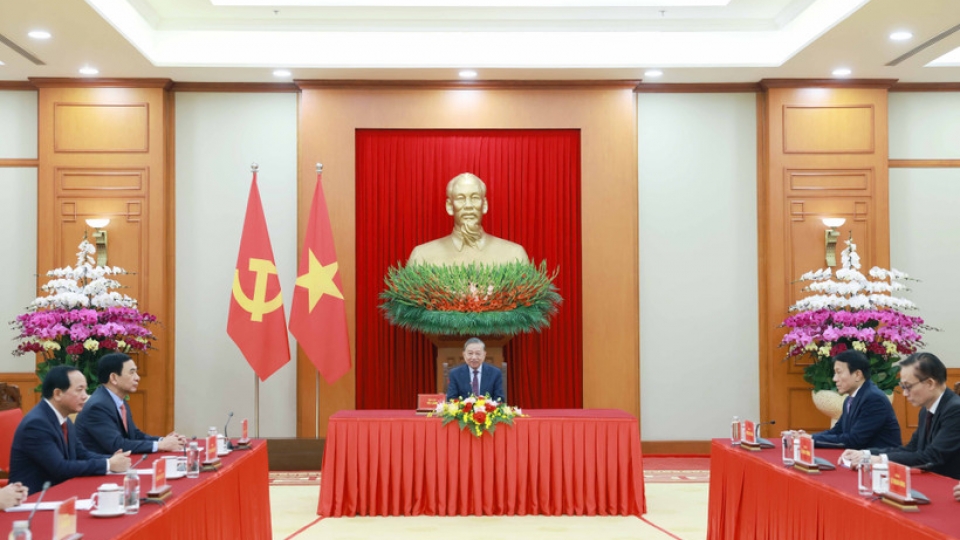
President of Russia Vladimir Putin held phone talks with General Secretary of the Communist Party of Vietnam (CPV) Central Committee To Lam on January 24 to offer congratulations on the success of the 14th National Congress of the CPV.