Political stability enables Vietnam to sustain high growth momentum: Scholar

The success of the 14th National Party Congress has further consolidated Vietnam’s political stability - a decisive factor enabling the country to sustain high growth momentum amid global economic uncertainties, said Professor Reena Mahwar of the University of Delhi.
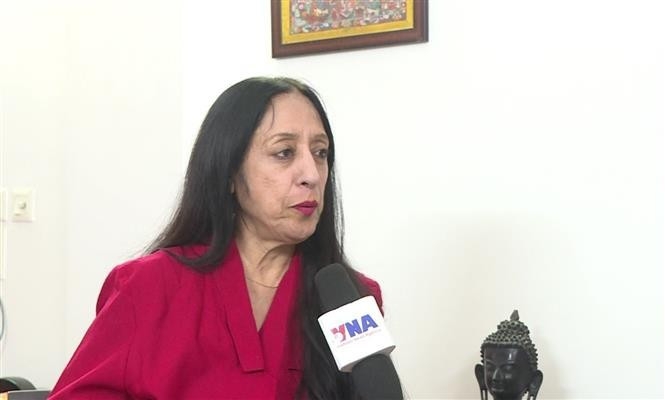
Prof. Mahwar, who is also Secretary-General of the Association of Asian Scholars (AAS), said that the 14th Congress clearly articulated a national strategic vision, setting the goal for Vietnam to become an upper-middle-income country by 2030 and a developed economy by 2045 - objectives that are consistent, clearly defined and supported by specific roadmaps.
She noted that a key highlight of the congress is its “whole-of-nation” and “whole-of-government” approach to drafting documents. The process was carried out transparently, with extensive and in-depth discussions and broad public participation, reflecting a long-term, guiding policy vision, she said.
The AAS Secretary-General underlined that the issuance of the Politburo’s Resolution No. 68-NQ/TW on private economic development and Resolution No. 79-NQ/TW on state economic development demonstrates a balanced development orientation, in which the state and private sectors advance in parallel, jointly targeting annual growth of 10% or higher in the 2026–2030 period.
From an international perspective, the Indian expert said that over the past 18 months, Party General Secretary To Lam has demonstrated consistency in leadership thinking and governance, thereby building strong confidence among foreign investors. While many developed economies are grappling with rising production costs and prolonged instability, Vietnam has maintained its attractiveness thanks to close alignment between policy formulation and implementation. This consistency has helped position Vietnam as a key destination amid global production relocation trends.
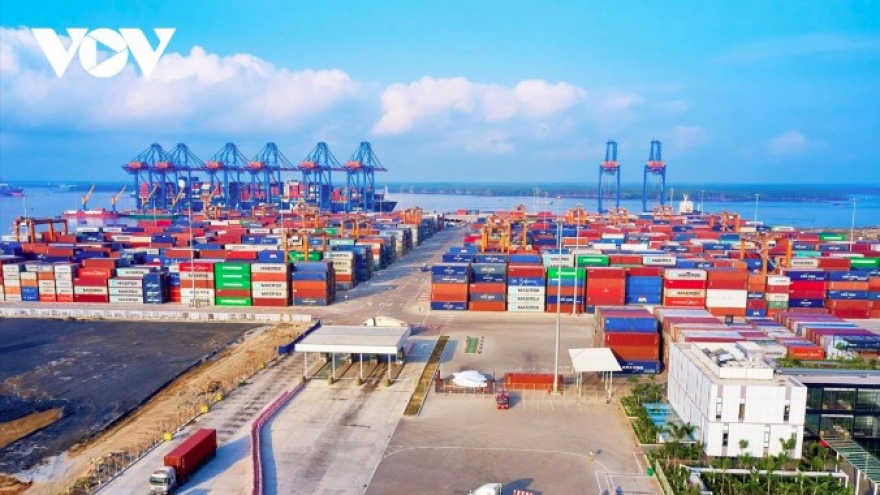
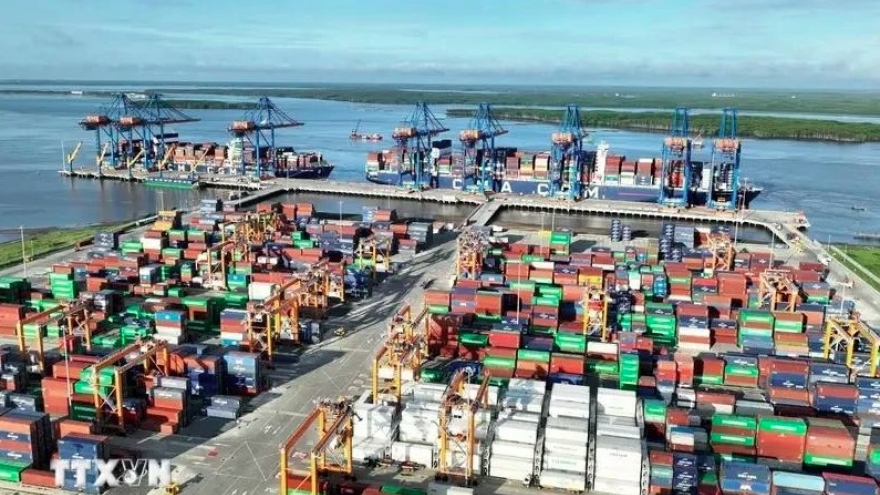
She also highlighted Vietnam’s increased budget spending on infrastructure investment over the past year, focusing on north–south connectivity, seaports and airports, as evidence of strong determination to build modern infrastructure and robust institutions. Alongside infrastructure development, Vietnam continues to prioritise human resource development and social welfare, including policies on tuition exemption from preschool to upper secondary education and enhanced support for vulnerable groups.
Regarding international cooperation, Prof. Mahwar emphasised that the outcomes of the 14th National Party Congress have laid an important political and institutional foundation for Vietnam to further expand relations with key partners worldwide, including India. Vietnam has now established comprehensive partnerships or higher with 42 countries, become a partner of BRICS, and actively participates in regional and global mechanisms such as ASEAN, the Indo-Pacific Economic Framework for Prosperity (IPEF) and the Regional Comprehensive Economic Partnership (RCEP). Effective utilisation of these frameworks has helped Vietnam emerge as an export hub and a vital link in global supply chains.
She noted that Vietnam–India cooperation shows strong convergence, particularly in digital economy, semiconductors, pharmaceuticals, textiles and garments, biotechnology and innovation. Vietnam is also highly regarded for its political stability, policy predictability and strong government commitment to sustainable development, factors that continue to attract investment, tourism and long-term cooperation projects.
Amid mounting global uncertainties, Prof. Mahwar concluded that the 14th National Party Congress has sent a clear message that Vietnam remains steadfast in pursuing development based on internal strengths, while proactively and actively integrating into the international community. The harmonious combination of political stability, economic development, innovation and expanded international cooperation is expected to enable Vietnam to move forward confidently in a new development phase.
14th Party Congress: Political, ideological work – key to new era ambitions
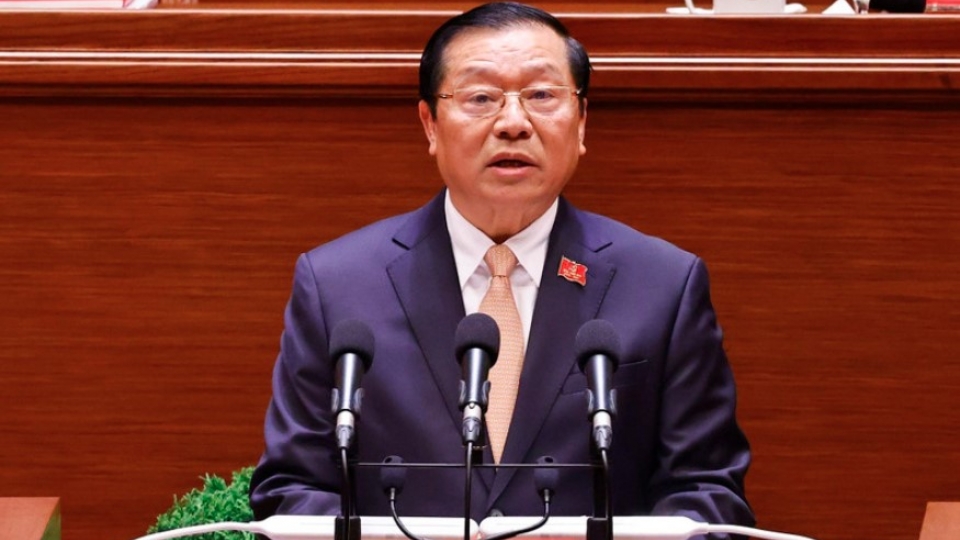
Delegates at the ongoing 14th National Party Congress on January 21 listened to a key policy presentation stressing the political and ideological work as the Communist Party of Vietnam (CPV)’s most important task to drive the success of revolutionary cause.