FM Le Hoai Trung highlights broader cooperation with India and Sri Lanka ahead

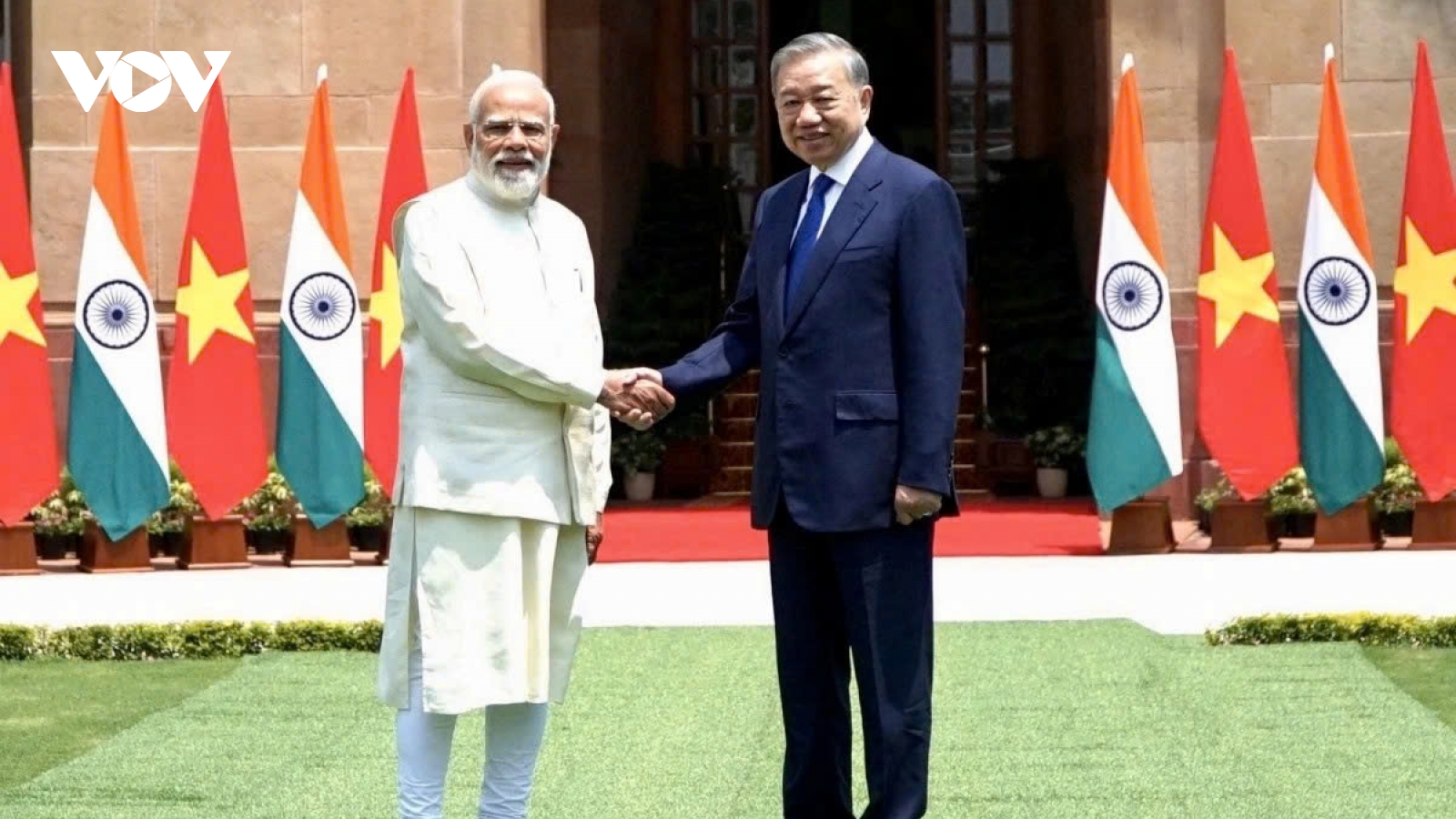
VOV.VN - Party General Secretary and President To Lam concluded successful state visits to India from May 5-7 and Sri Lanka from May 7-8, 2026, achieving important and comprehensive outcomes.
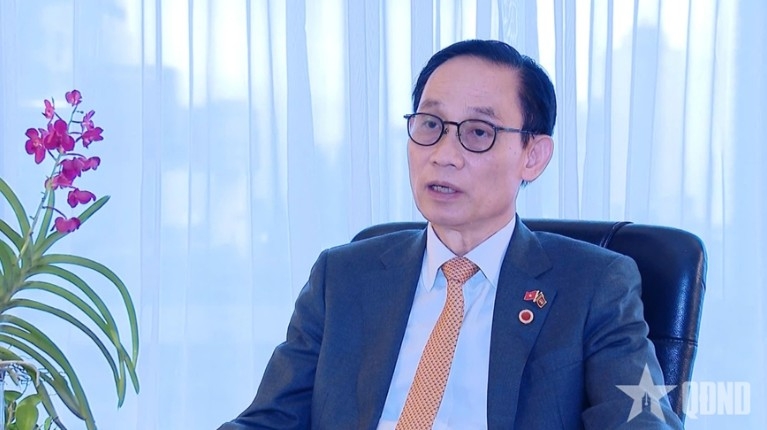
Speaking to the press after the visits, Politburo member and Foreign Minister Le Hoai Trung described the trips as especially important and historic, noting that they took place as Vietnam and India mark the 10th anniversary of their Comprehensive Strategic Partnership and just one month after To Lam was elected to his new position.
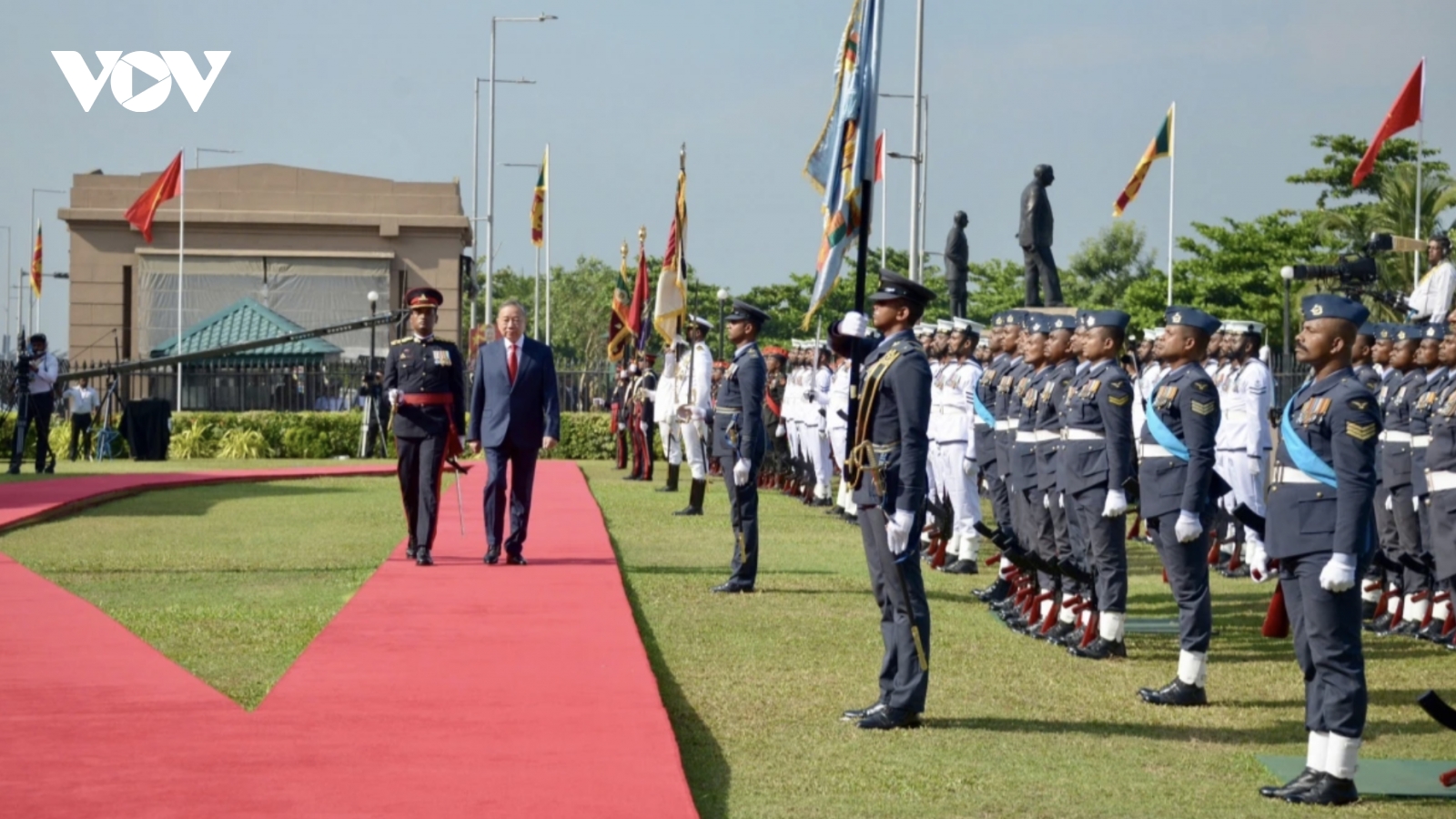
With Sri Lanka, the trip marked the highest-level visit by a Vietnamese leader since the two countries established diplomatic ties.
According to Trung, the participation of numerous senior officials and businesses showed Vietnam’s special emphasis on ties with India and Sri Lanka. The visits achieved their objectives at a high level.
Vietnam and India agreed to elevate ties to an Enhanced Comprehensive Strategic Partnership, while Vietnam and Sri Lanka upgraded relations to a Comprehensive Partnership, thereby creating new political frameworks and strengthening political trust and mutual understanding.
India and Sri Lanka accorded receptions at the highest level reserved for state visits to To Lam and the Vietnamese delegation, along with several special arrangements.
Vietnamese ministries and agencies also held extensive working sessions with local counterparts. More than 50 agreements were signed in India and 11 in Sri Lanka, helping create important momentum for bilateral relations. Leaders also discussed measures to boost ties between the Communist Party of Vietnam and ruling parties, parliamentary relations and people-to-people diplomacy.
FM Trung emphasized that one of the key highlights of the visits was their profound political significance, reflecting the special importance Vietnam attaches to its Comprehensive Strategic Partnership with “great friend” India, its traditional friendship with Sri Lanka and relations with South Asia more broadly.
He noted that senior leaders and people in both countries highly valued Vietnam’s socio-economic achievements and role and standing, while expressing deep respect and warm affection for Vietnam and for To Lam personally.
The visits also created strategic breakthroughs and paved the way for qualitative changes in Vietnam’s relations with the two countries. With India, both sides consented to elevate cooperation based on the principle of “shared vision, strategic convergence and substantive cooperation,” demonstrating strong political trust and converging strategic interests.
With Sri Lanka, the upgrade to a Comprehensive Partnership reflected stronger trust and broader substantive cooperation in response to new circumstances and new requirements.
The Vietnamese diplomat said the outcomes of the visits were highly substantive, focusing on removing bottlenecks, expanding markets and enhancing connectivity in the areas of economy, investment, infrastructure, science and technology, innovation and supply chains. Leaders also reaffirmed their commitment to further expanding and bolstering defence-security cooperation, while identifying economy and science and technology as new pillars of cooperation, accompanied by specific programs, plans and activities, including stronger cooperation in education and training.
For India, the visits elevated bilateral ties to a new level and opened major opportunities for cooperation in defence-security, economy-trade, science and technology, education-training, culture and people-to-people exchanges, promising to usher bilateral relations into a “golden era.”
With Sri Lanka, both sides committed to further strengthening friendship, enhancing high-level political trust and expanding comprehensive, substantive cooperation across all sectors. The two countries also concurred to increase bilateral trade fivefold over the next few years. Trung noted that Sri Lanka’s progress in economic stabilization had opened new opportunities in trade, minerals, manufacturing, ports and other fields.
In the context of global uncertainty and instability, To Lam and leaders of the two countries agreed to strengthen coordination and mutual support on the basis of respect for international law, the United Nations Charter and multilateralism.
Trung affirmed that the visits produced comprehensive outcomes carrying both long-term strategic significance and substantive progress in cooperation. The visits, he added, would help raise Vietnam’s role and standing in South Asia and internationally, while opening a new, deeper, more effective and more comprehensive period in Vietnam’s relations with India and Sri Lanka.
According to the FM, the visits also showed Vietnam’s foreign policy of independence, self-reliance, peace, friendship, cooperation and development, as well as diversification and multilateralization of external relations.
Vietnam would continue boosting ties with traditional friends and cooperation with major and important partners in the Asia-Pacific region, particularly through the Enhanced Comprehensive Strategic Partnership with India. This would thereby help consolidate a favorable external environment and create better conditions for Vietnam’s economic, scientific-technological and educational development in the new period, while contributing with partners to the promotion of international law and the United Nations Charter.
Trung revealed that during the visits, To Lam closely directed the implementation of agreements reached with both countries. He stressed that ministries, sectors and localities needed to thoroughly grasp high-level agreements and advance cooperation based on practical effectiveness and the tangible interests of the people. With India, Vietnam would continue to consistently follow the principle of “shared vision, strategic convergence and substantive cooperation” throughout the cooperation process.
In the coming period, Vietnam will continue strengthening information and outreach efforts on the significance and outcomes of the visits in order to foster greater unity among ministries, sectors and localities. Relevant agencies will also develop specific plans and allocate appropriate resources to realize the commitments reached during the visits.
Vietnam will also work closely with India and Sri Lanka to speed up the implementation of signed agreements and high-level commitments, while proactively removing bottlenecks and barriers in cooperation to deliver clearer substantive outcomes.
With India, cooperation will focus on economic connectivity, trade, investment, strategic infrastructure, logistics, supply chains, science and technology, innovation, culture and tourism. With Sri Lanka, priority areas include infrastructure, telecommunications, high-tech agriculture, fisheries, green transition and tourism, especially spiritual tourism.
Trung expressed confidence that with strong political determination and close coordination among ministries, sectors and localities, the outcomes of the visits would be fully realized, helping further forge Vietnam’s ties with India and Sri Lanka in a more substantive and effective manner, while making positive contributions to peace, stability and development in the region and the world.
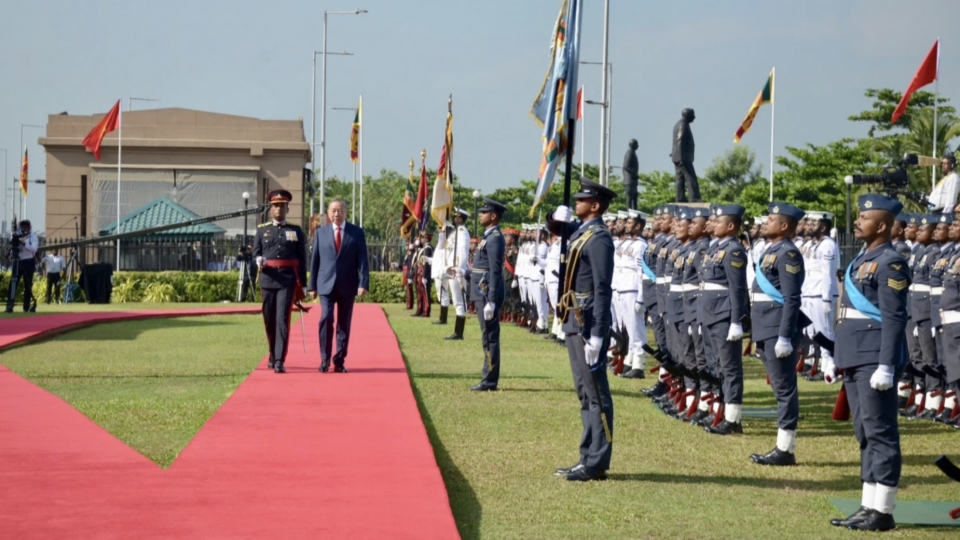
Overview of top Vietnamese leader To Lam’s visit to Sri Lanka
VOV.VN - Party General Secretary and State President To Lam led a high-level Vietnamese delegation on a state visit to Sri Lanka from May 7-8 at the invitation of Sri Lankan President Anura Kumara Dissanayake.
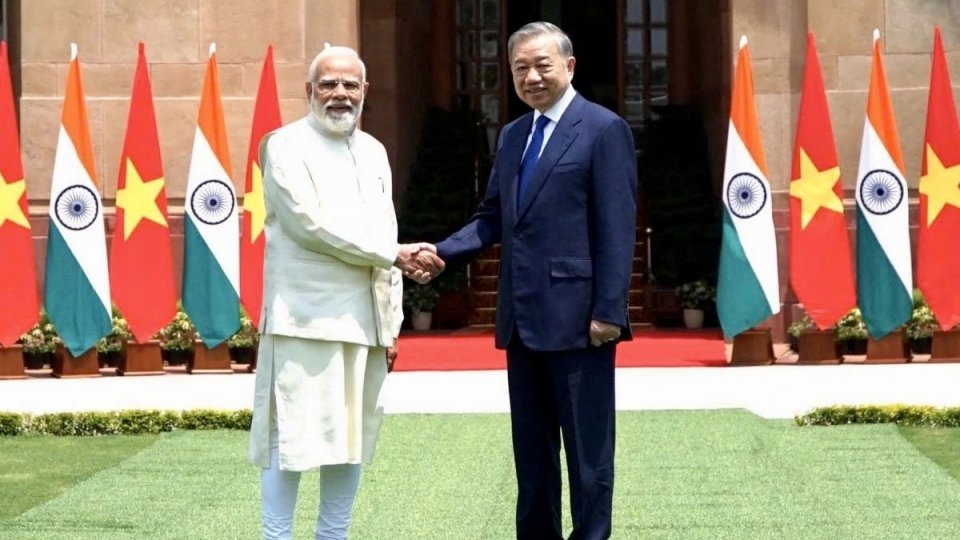
Party General Secretary and State President To Lam’s India visit in photos
VOV.VN - Party General Secretary and State President To Lam and a high-ranking Vietnamese delegation paid a state-level visit to India from May 5 to 7 at the invitation of Indian Prime Minister Narendra Modi.