Expert pins high hope on consolidation of key leadership positions

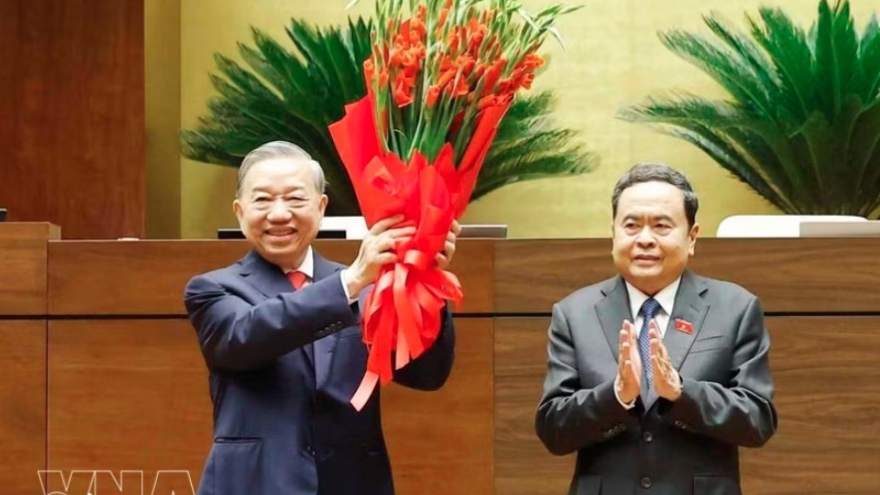
The election of key leadership positions by Vietnam’s 16th National Assembly marks a particularly important political starting point, ensuring continuity in the country’s leadership and governance, Rachel Nguyen Isenschmid, Secretary General of the Swiss-Viet Economic Forum (SVEF), has said.
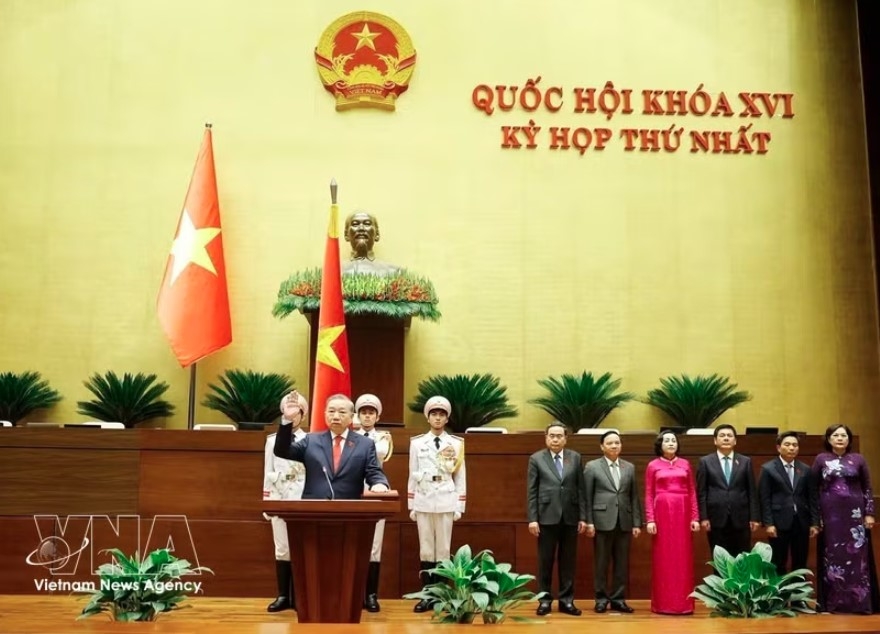
In an interview with a Vietnam News Agency correspondent in Geneva, she noted that the election signals a transitional moment and opens new prospects for Vietnam’s development as the country deepens its international integration.
As someone actively involved in initiatives promoting connectivity and financial cooperation between Vietnam and Switzerland, Isenschmid said that, from the perspective of an organisation fostering bilateral economic ties, SVEF expects the new leadership to sustain a policy orientation that emphasises stability, transparency and strong reform momentum, particularly in areas related to the investment climate, finance, technology and sustainable development.
Vietnam currently has major opportunities to elevate its standing on the global economic map, she noted, stressing that long-term, consistent policies will be crucial to realising this potential. SVEF believes that with its new leadership team, Vietnam will advance international cooperation frameworks, including strategic partnerships with partners such as Switzerland, thereby facilitating the more effective flow of capital, knowledge and technology, she stated.
In recent years, SVEF has consistently organised activities to bring Vietnam and Switzerland together. Isenschmid emphasised that both sides should strengthen programmes to deepen bilateral connectivity, particularly as the two countries approach the meaningful milestone of the 55th anniversary of diplomatic relations.
According to the SVEF representative, this occasion offers not only an opportunity to reflect on the achievements of bilateral cooperation but also to chart strategic directions for the future, focusing on three key priorities.
First, she stressed enhancing policy dialogue and refining legal and regulatory frameworks, particularly in areas such as finance, investment, innovation and sustainable development. Advancing bilateral trade and cooperation agreements will play a vital role in establishing a long-term institutional foundation, she held.
The second priority is to strengthen business connectivity and innovation ecosystems through platforms such as SVEF, trade promotion initiatives and cooperation between the financial and technology hubs of the two countries. Isenschmid explained that such mechanisms serve as practical bridges that enable enterprises on both sides to understand markets, demands and partnership opportunities.
Third, she emphasised investing in human capital development and educational exchanges, as people remain the central pillar of any sustainable partnership. Collaborative programmes between universities, research institutes and businesses will help lay the groundwork for long-term cooperation.
Isenschmid expressed confidence that, with close coordination between the public and private sectors, and the active engagement of organisations such as SVEF, Vietnam–Switzerland relations will continue to deepen in both scope and substance, delivering lasting value for both nations.
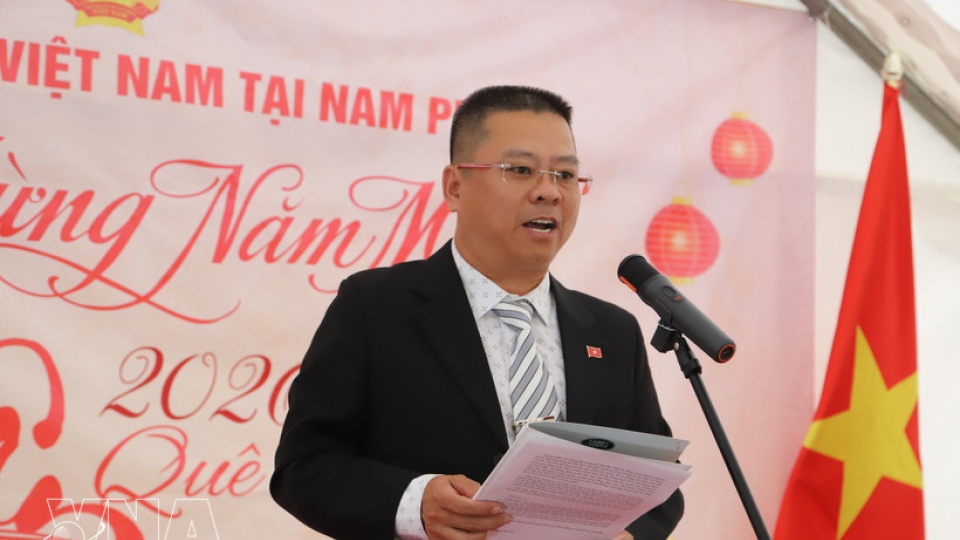
Vietnamese community in South Africa confident in 16th NA’s leadership
The Vietnamese community in South Africa has expressed confidence that the 16th National Assembly (NA) will lead the homeland towards comprehensive development.