Vietnam sets three strategic directions to harness cultural power

VOV.VN - Vietnam has outlined three strategic directions to harness the endogenous strength of its culture and people, turning this internal strength into a foundation for rapid and sustainable development in the new era, Minister of Culture, Sports and Tourism Nguyen Van Hung said.

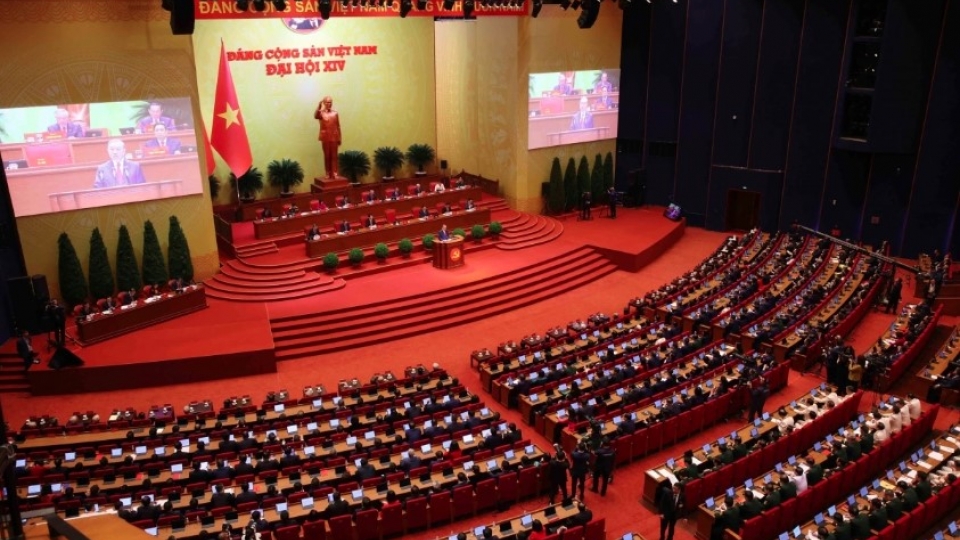
Presenting a report at the ongoing 14th National Party Congress in Hanoi on January 21, Hung stated the three strategic directions aim to position culture and people not only as the spiritual foundation of society but also as a decisive internal resource to strengthen national identity, enhance soft power and support long-term national development.
Culture and people as pillars of sustainable growth
Hung remarked Vietnam’s culture represents the crystallisation of core national values built over thousands of years of national construction and defence, shaping the resilience, intellect and character of the Vietnamese people.
In the most challenging periods of history, values such as national unity, patriotism, self-reliance and social solidarity were transformed into a powerful force that enabled the country to overcome hardship, he said.
According to the minister, the role of culture was recognised early by the Communist Party of Vietnam and President Ho Chi Minh, who viewed culture as a guiding force for national development. The 1943 Outline of Vietnamese Culture - the Party’s first cultural platform - placed culture on an equal footing with politics and economics, highlighting the central role of people as both creators and beneficiaries of culture.
That principle has been consistently reaffirmed in Party resolutions, which define culture as both a goal and a driving force of development.
Furthermore, Vietnam’s reform process has shown that when culture is placed under the Party’s leadership, with the people as the main creative force and intellectuals and artists playing a central role, cultural strength can be transformed into tangible political and social outcomes.
This view is reflected in the Political Report submitted to the 14th Party Congress and institutionalised in a recent Politburo resolution, which identifies culture and human development as a key internal resource, a major growth driver and an important pillar for sustainable development in the new era.
Three strategic directions
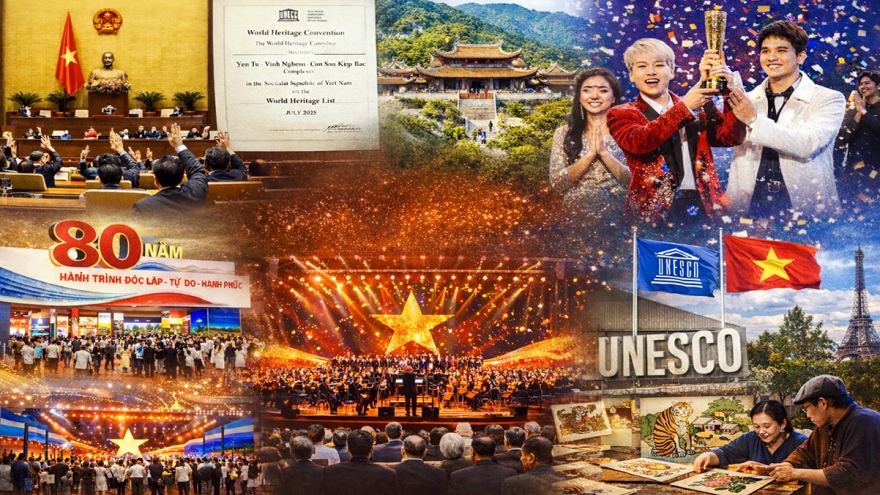
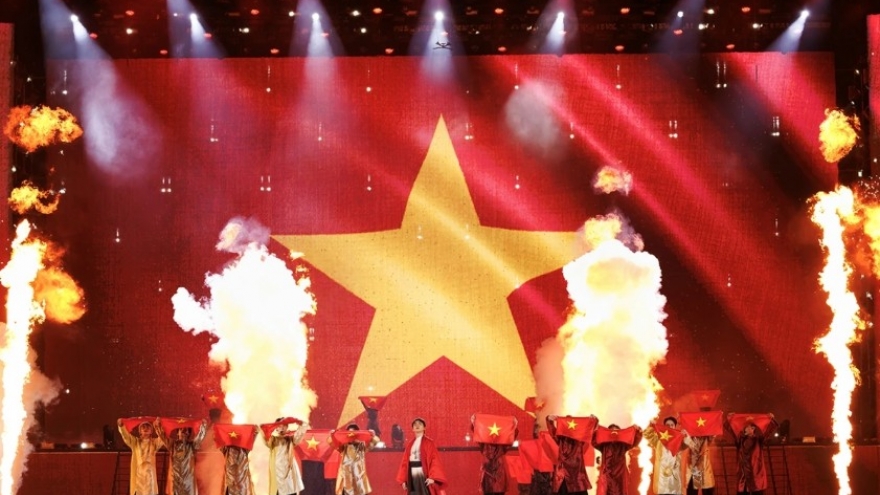
At a ceremony marking the 80th anniversary of Vietnam’s cultural sector, Party General Secretary To Lam stressed that culture is the fundamental energy of development, underscoring that it must move ahead, provide guidance, strengthen national resilience, reinforce public trust and shape the country’s soft power.
Building on that vision, Minister Hung, in his report, outlined three strategic directions to unlock the internal strength of Vietnamese culture and people in the new era.
First, culture and people must be positioned as the most important internal foundation and resource for rapid and sustainable development. Cultural development should be closely linked with political, economic, social, defence, security and foreign policy objectives.
Second, culture and people have an interdependent relationship. People are the creators, the centre and the ultimate beneficiaries of cultural development. Strengthening national, cultural and family value systems, as well as standards for Vietnamese people, is essential for fostering creativity and national aspiration.
Third, cultural development in the new era should prioritise public well-being and national sustainability. Cultural development is a long-term process that requires broad social participation and a balanced approach between tradition and modernity, preservation and innovation, and physical and digital spaces.
Six key solutions
To translate these directions into practice, Minister Hung proposed six key measures to unlock Vietnam’s cultural and human potential.
First, Hung called for a comprehensive shift in mindset and a unified understanding of cultural development, stressing that people are the foundation, a key internal resource and a major driver of rapid and sustainable growth. He said building the Vietnamese people in the new era requires strengthening national, family and human value systems, while fostering patriotism, integrity, creativity, responsibility and discipline. Cultural goals, he added, must be integrated into socio-economic planning, with stronger leadership accountability and public awareness to build consensus.
Second, he highlighted the need to improve institutions in a facilitative manner to unlock resources for culture and human development. This includes refining laws and policies on cultural investment, heritage protection, cultural industries and digital transformation, while removing bottlenecks in investment and public procurement and ensuring coherence with economic, education, science and integration policies.
Third, the minister stressed that investment in culture should be seen as investment in the nation’s future. Alongside mobilising resources, he called for strengthened capacity of cultural practitioners, including artists, intellectuals and managers, with an emphasis on professionalism, ethics and digital skills.
Fourth, Hung identified cultural industries and the creative economy as new growth engines, contributing directly to GDP growth, job creation and national soft power. He called for building an integrated ecosystem linking the state, businesses, creative communities, markets and technology, alongside promoting Vietnam’s cultural brand globally.
Fifth, he urged faster application of science, technology and digital transformation in the cultural sector, alongside measures to ensure cultural security and information safety. Priorities include building digital platforms and databases, digitising heritage and developing Vietnamese-owned digital content.
Sixth, the minister emphasised proactive international cultural integration, shifting from exchanges to deeper cooperation to enhance national soft power. He called for a comprehensive communication strategy to promote Vietnam’s image abroad, with culture as a central pillar and people’s lived experiences at its core.
As Vietnam is entering a new stage of development marked by both opportunities and challenges, culture remains a core source of national identity and an important soft power asset that can help Vietnam enhance its global profile and assert its position in the international community, the minister concluded.
Culture identified as an endogenous resource for sustainable national development
VOV.VN - A notable feature of this Party Congress term is a clear shift toward a “development-enabling” mindset and a determination to place culture at the center, treating it as an endogenous resource for the country’s sustainable advancement.