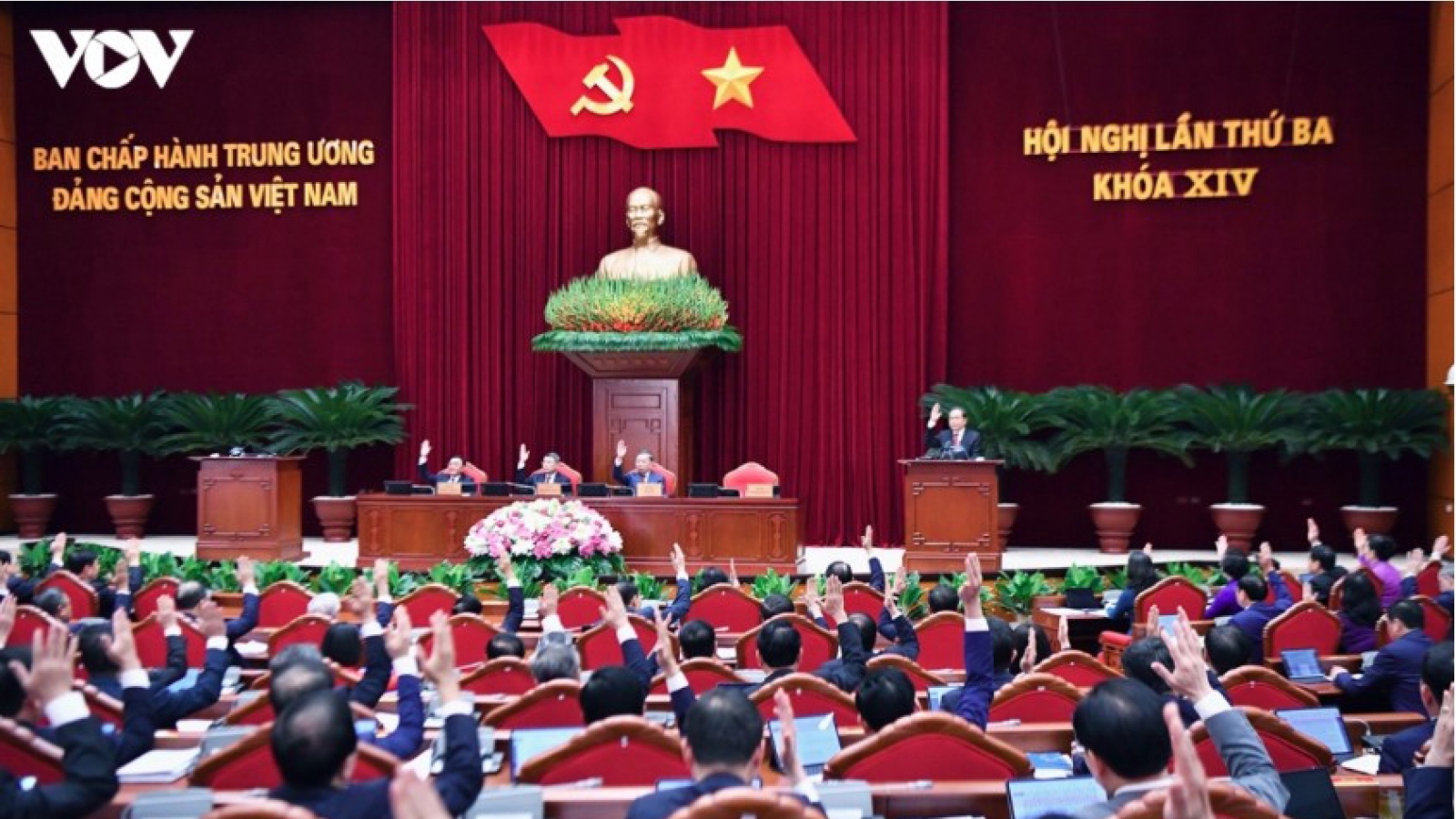
PM outlines seven governance capabilities for double-digit growth

VOV.VN - Prime Minister Le Minh Hung has outlined seven governance capabilities that he said are essential for strengthening government performance and supporting Vietnam’s double-digit economic growth in 2026-2031.
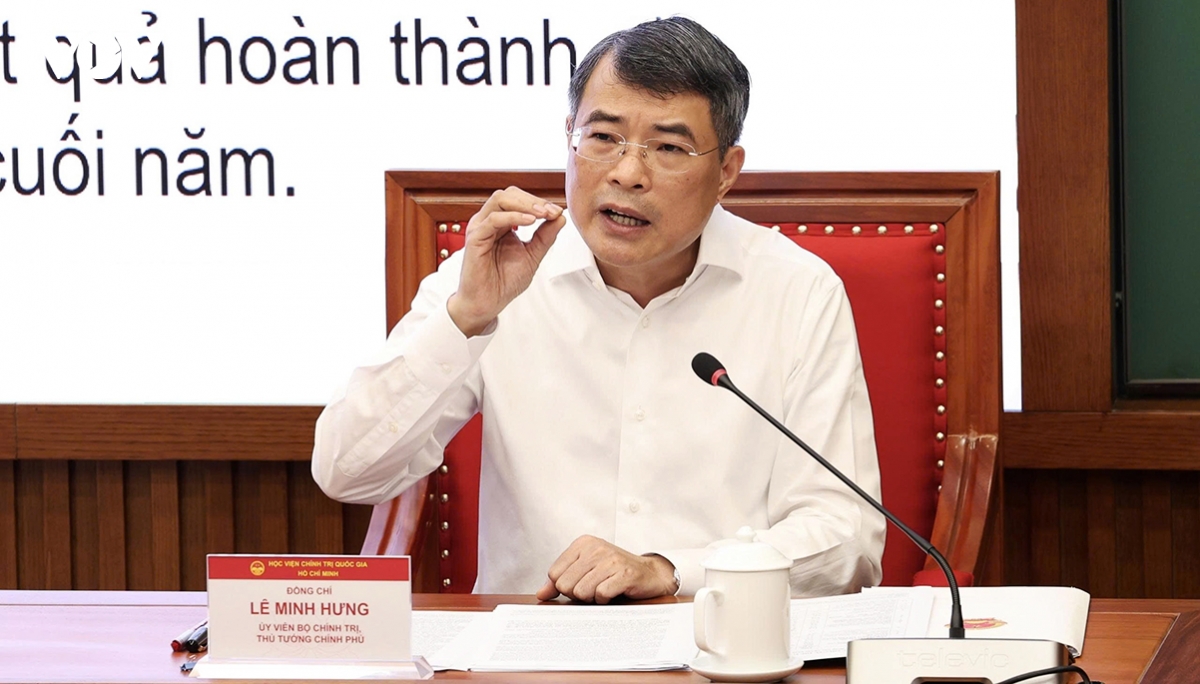
The PM made the remarks while delivering a thematic presentation to participants attending a training and knowledge-updating programme for Party Central Committee members (second class) in Hanoi on September 16.
According to the Prime Minister, the 2026-2031 period is particularly important for laying the foundations for the country’s long-term development goals. The requirement for double-digit economic growth calls not only for appropriate policies and decisions, but also for strong governance and implementation capacity to turn those decisions into tangible results.
The thematic presentation was developed around this approach, combining theory and practice to shape a modern, development-oriented governance model, remove bottlenecks and unlock resources for high and sustainable growth.
Seven capabilities underpin effective governance
The presentation identifies seven key governance capabilities that are considered important components of the Government’s governance capacity.
The first is strategic analysis, forecasting, policy orientation and response, enabling the Government to proactively identify changes in the international and domestic situation and make appropriate and timely decisions.
The second is institutional and policy development and improvement, aimed at removing institutional bottlenecks and creating a favourable framework for development.
The third is implementation capacity, coordination across levels and sectors, and coordination with agencies across the political system. This is the stage at which policies and decisions are translated into concrete action and results.
The fourth is the ability to mobilise, allocate and effectively use resources, directing them towards sectors, projects and growth drivers capable of generating value and promoting growth.
The fifth is data-driven governance and technology application, meeting the increasingly complex requirements of governance amid digital transformation.
The sixth is building social consensus and exercising accountability, ensuring that policies are properly understood, implemented consistently and accompanied by clear mechanisms for explanation and responsibility.
The seventh is evaluation, monitoring and implementation control, enabling emerging issues to be identified promptly, policies adjusted and implementation kept on track towards the intended goals.
According to the Prime Minister, these seven groups of capabilities also provide a framework for analysing and assessing the Government’s governance capacity and for identifying tasks and solutions to strengthen it, thereby supporting rapid and sustainable development.
Turning policy decisions into results
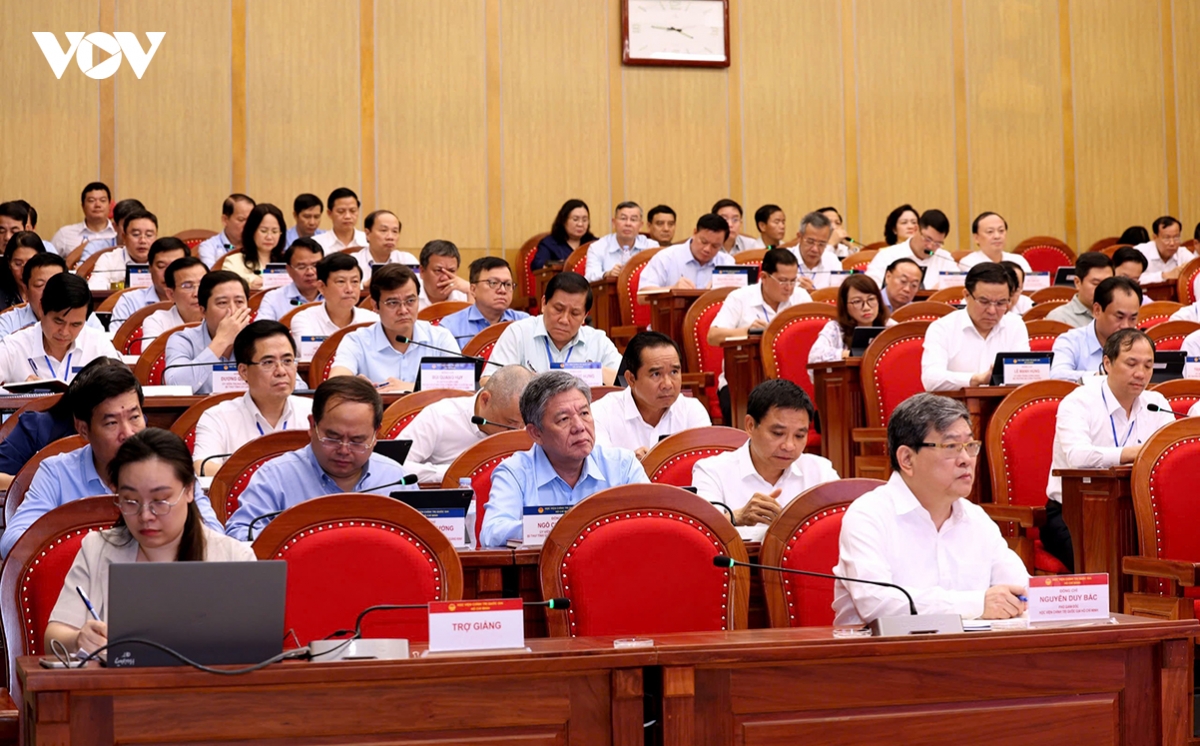
The Prime Minister said that, after being reconstituted, the Government for the 2026-2031 term has focused on renewing its methods of leadership, direction and governance, identifying this as a key factor in delivering the goals and tasks set out in the Resolution of the 14th Party Congress and the Party Central Committee’s Conclusion No. 18-KL/TW.
The results achieved in the first months of 2026 provide an important foundation, but efforts to pursue high growth have also highlighted the need to further improve governance, implementation and coordination among different levels and sectors.
In practice, the Government has required policy-making and executive agencies to closely monitor international, regional and domestic developments, improve forecasting, develop scenarios and formulate appropriate policy responses, while coordinating macroeconomic policies to support growth and maintain macroeconomic stability.
The thematic presentation emphasised the need to strengthen all seven capabilities in a coordinated manner, rather than focusing on any single area. Strategic forecasting, for example, must be linked to policy responses; institutional improvement must go hand in hand with implementation; resource mobilisation must be accompanied by effective allocation and use; and data and technology must directly support decision-making and implementation oversight.
This approach seeks to establish a governance model in which policies do not stop at being adopted, but are translated into tangible and verifiable results in practice.
Double-digit growth requires stronger development capacity
The double-digit growth target forms part of the country’s broader long-term development goals. The Government has set GDP growth of at least 10% as an aspiration for 2026 and linked the target to institutional reforms, investment promotion, productivity improvements and resource mobilisation for development.
However, sustaining high growth over an extended period depends not only on setting targets but also on the governance system’s ability to identify the right issues, make timely decisions, implement them effectively and adjust promptly as conditions change.
In his presentation, the Prime Minister called on all levels and sectors to thoroughly and resolutely implement the viewpoints, tasks and solutions already set out, alongside ensuring the coordinated implementation of the Resolution of the 14th Party Congress, Conclusion No. 18-KL/TW, other resolutions and conclusions of the Party Central Committee, and action programmes of the Government, ministries, sectors and localities.
The goal is to strengthen governance and implementation, enhance the effectiveness of national governance, unlock development resources and lay the foundation for rapid and sustainable growth in 2026-2031 and beyond.
Earlier on September 14 General Secretary of the Communist Party of Vietnam Central Committee and President To Lam delivered a thematic presentation, stressing that strategic leadership must connect long-term vision with sound decisions, effective implementation and measurable development outcomes that strengthen public trust.
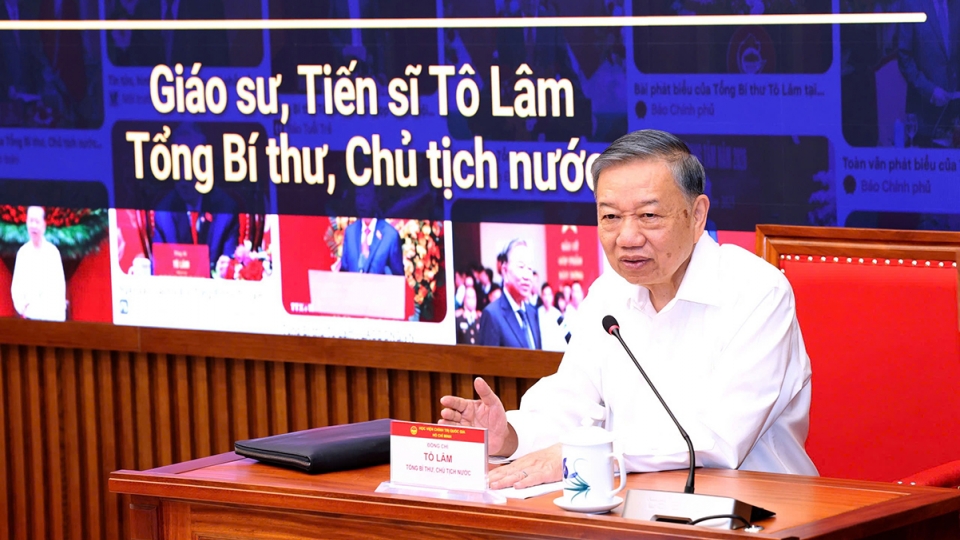
Strategic leadership must turn vision into results, top leader To Lam says
VOV.VN - General Secretary of the Communist Party of Vietnam Central Committee and President To Lam has stressed that strategic leadership must connect long-term vision with sound decisions, effective implementation and measurable development outcomes that strengthen public trust.