Institutional breakthrough seen as key to Vietnam’s developed nation goal

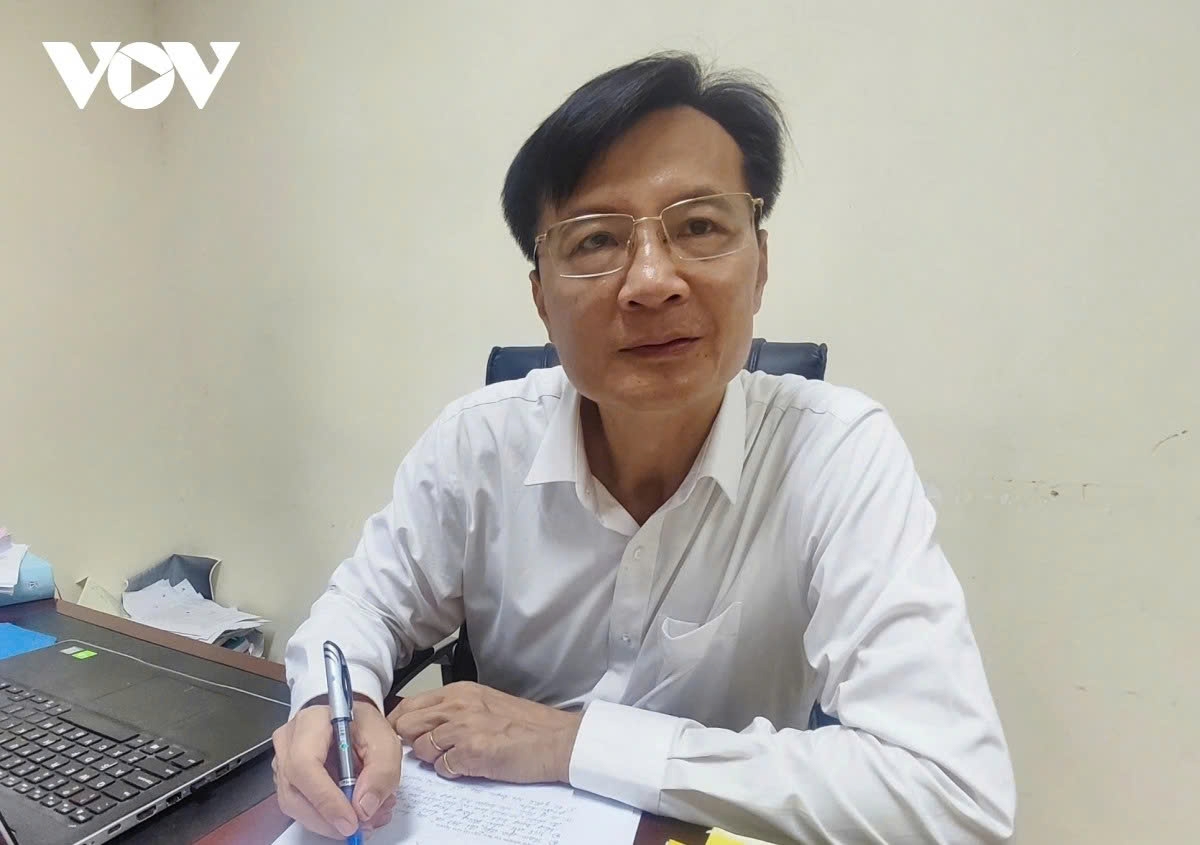
VOV.VN - An institutional breakthrough is essential for Vietnam to become a high-income developed country, with legal bottlenecks and governance barriers needing urgent removal, said Assoc. Prof. Dr. Trinh Van Tung of the Ho Chi Minh National Academy of Politics.

The draft political report for the coming 14th National Party Congress outlines targets to become a modern industrial economy with upper-middle income by 2030 and a high-income developed country by 2045. Dr. Tung said the draft reflects Vietnam’s achievements after more than four decades of reform, despite global volatility.
Notably, the country recorded an estimated average annual growth of 6.3% in 2021–2025, while per-capita GDP is expected to reach about US$5,000 in 2025. It has modernised transport and digital infrastructure, streamlined its administrative apparatus, intensified anti-corruption efforts, and improved human development indicators. The multidimensional poverty rate fell to 1.3%, while the Human Development Index climbed to 0.766.
However, Tung said the document should underscore that Vietnam’s institutions continue to lag behind development needs, with overlapping regulations, weak competitiveness, and a growing risk of policy-based corruption. He cited a “fear of taking responsibility” among officials due to unclear legal protections, alongside “short-term political thinking” and interest-group influence.
The draft seeks to shift growth drivers towards science, technology, digital transformation, and innovation, with the private sector identified as a “critical engine”. Dr. Tung said targets such as 10% annual GDP growth and a per-capita income of US$8,500 by 2030 are only achievable if legal barriers are removed and resources are fully mobilised.
He recommended strict implementation of personnel standards based on merit, including “promotion and demotion,” and stronger protection for officials willing to take action. He backed clearer decentralisation under the principle that “local authorities decide, implement and take responsibility”.
He also proposed expanding public participation, with a revised principle that “People know, discuss, co-decide, implement, inspect, supervise and benefit”, adding that citizen satisfaction should become a key metric for government performance.
The scholar urged lawmakers to prioritise amendments to major “bottleneck laws” such as the Land Law and Public Investment Law, while building legal frameworks for emerging sectors including digital assets, artificial intelligence and the circular economy. He called for a strategy to develop large private conglomerates, equal access to land and capital, and regulations for public-private cooperation in large infrastructure projects.
He also proposed a national integrity education programme, a public digital scorecard for officials, and investment to turn select universities into regional innovation hubs. He called for special incentives to attract talent and boost basic sciences and the social sciences and humanities, in addition to core technologies.
Dr. Tung concluded that Vietnam can reach its long-term goals only by breaking institutional barriers, strengthening power control, preventing policy corruption and placing citizens at the centre of development.
PM calls for continued institutional breakthroughs to drive development
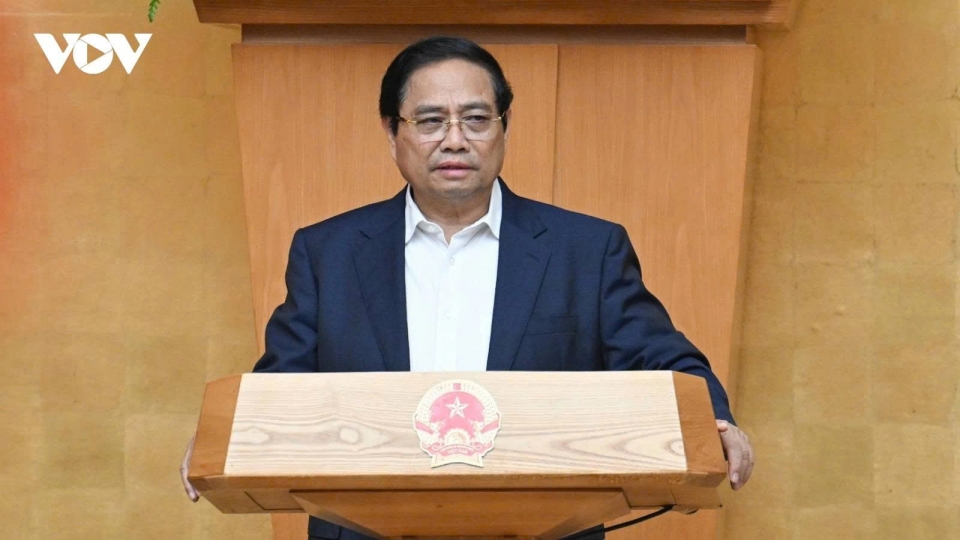
VOV.VN - Prime Minister Pham Minh Chinh, while chairing a Government session on law-making for September in Hanoi, emphasised the urgent need to continue making breakthroughs in institutional reform to remove bottlenecks and accelerate fast and sustainable national development in the coming period.