




Gov’t proposes special legal framework for economic violations without corruption

VOV.VN - The Government of Vietnam has submitted to the National Assembly a draft resolution introducing a special legal framework for handling violations related to the state sector, private sector and activities involving science, technology, innovation and digital transformation.
The most notable proposal marks a shift in legal philosophy by prioritising economic, civil and administrative remedies over criminal prosecution, with criminal liability to be treated as a measure of last resort in cases that involve neither corruption nor personal gain.
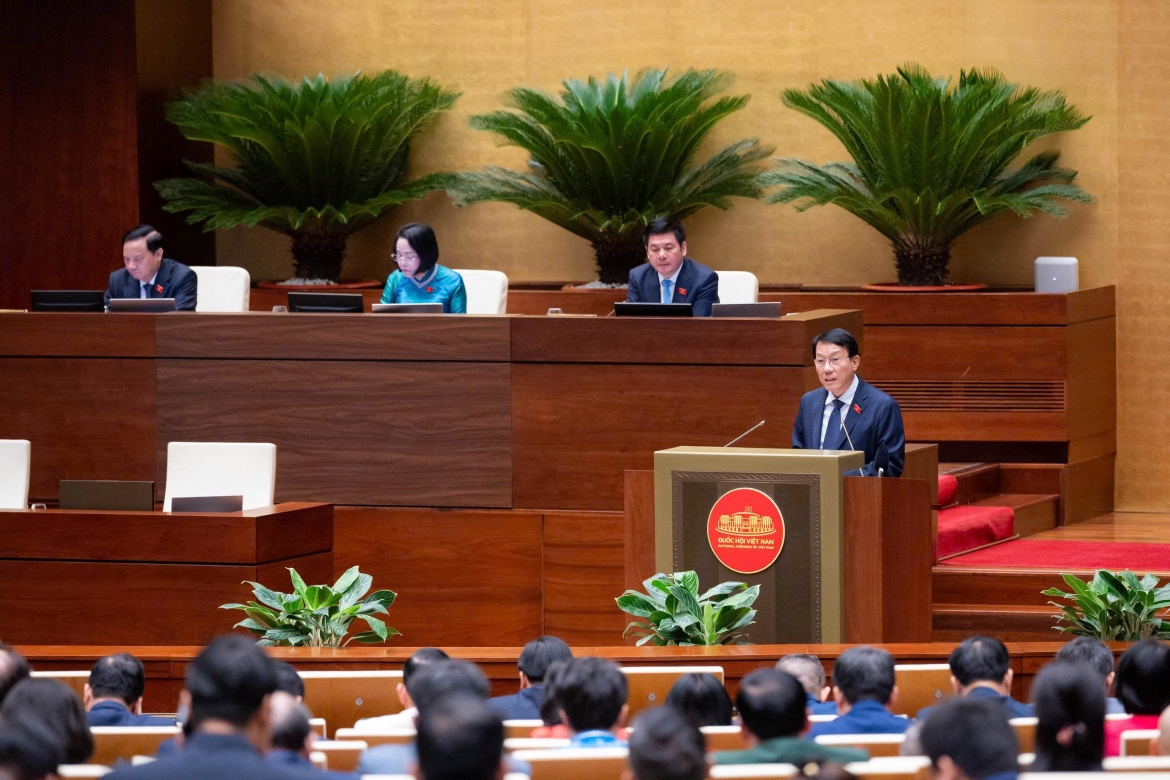
Presenting the draft resolution at the National Assembly's first extraordinary session in Hanoi on August 3, Minister of Public Security General Luong Tam Quang, authorised by the Prime Minister, said the proposal aims to institutionalise major Party policies on anti-corruption and governance reform while providing a legal basis to protect officials who act proactively and creatively in the public interest.
According to the Government, the draft also implements key Party resolutions and conclusions, including those encouraging officials to take initiative, promoting science and technology, innovation, digital transformation, private-sector development and the modernisation of the state sector.
Quang said the resolution would not only establish legal safeguards for officials acting in the public interest but also reflect the Party and State’s lenient policy by allowing political, economic and social outcomes to be taken into account when determining appropriate legal measures.
Recovery prioritised over prosecution
A key feature of the draft is its proposal to fundamentally change the approach to handling economic violations. Instead of relying primarily on criminal sanctions, the draft introduces four guiding principles.
The first is to encourage and protect officials who take initiative and accept responsibility while acting in the public interest.
The second is to apply a policy of leniency by considering mitigating circumstances for violations committed in the course of performing official duties for the public good, based on an assessment of the political, economic and social benefits generated.
The third gives priority to economic, civil and administrative measures, with criminal prosecution reserved as a last resort.
The fourth requires strict action against anyone who abuses the special mechanism for corruption, personal gain or other improper purposes.
To ensure consistent application, the draft also introduces several legal definitions for terms including "absence of personal gain," "public interest," "remedying consequences," "economic and social benefits," and "no pending complaints or denunciations," as well as concepts relating to violations in the fields of science, technology and innovation.
Special criminal justice measures proposed
Based on these principles, Chapter II of the draft outlines four categories of criminal justice measures, namely exemption from criminal prosecution; exclusion of criminal liability for risks arising from science, technology, innovation and digital transformation; suspension of criminal prosecution; and exemption from criminal liability.
The draft specifies the conditions for applying each measure and proposes corresponding procedural and enforcement provisions to facilitate implementation. It also contains parallel disciplinary provisions applicable to public officials, civil servants and members of the armed forces.
Under the proposal, the resolution would be implemented on a pilot basis for three years after taking effect.
Where criminal prosecution has been suspended to allow additional time for remedying the consequences of a violation, the suspension could be extended for up to two years beyond the pilot period.
Reviewing agency seeks further refinement
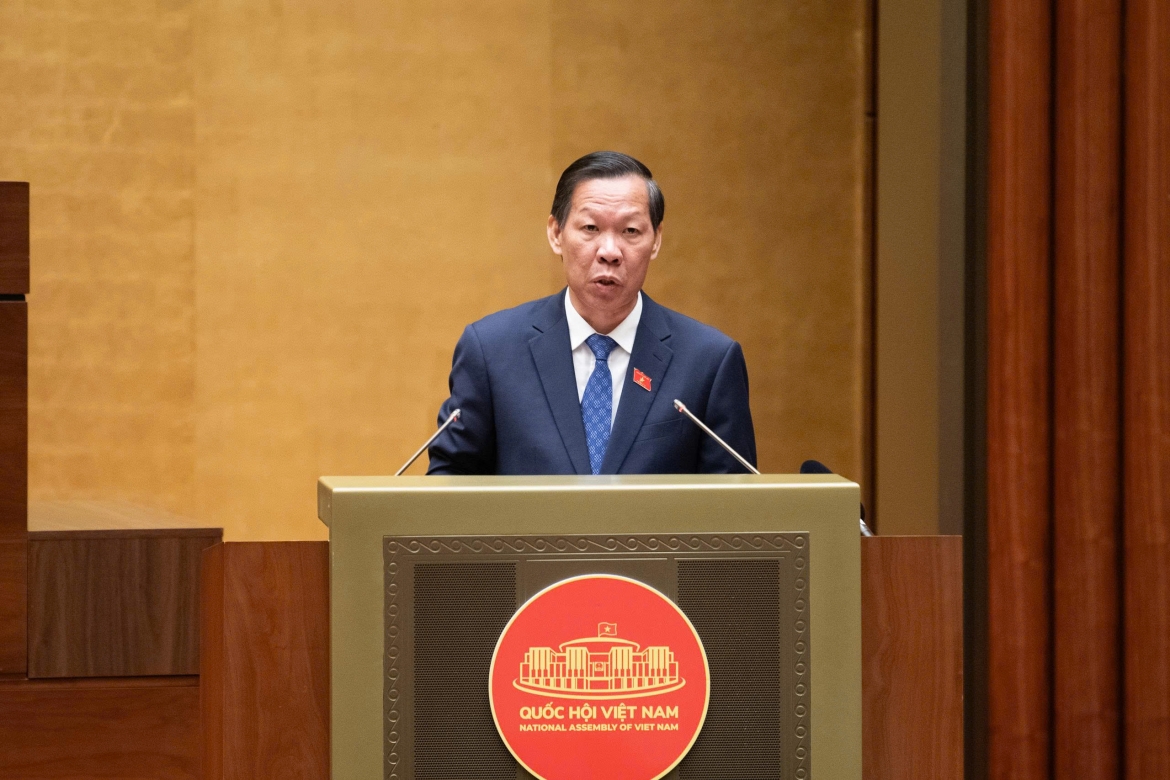
Presenting the National Assembly’s verification report, Phan Van Mai, chairman of the National Assembly’s Economic and Financial Committee, said most members supported the overall policy direction but recommended further revisions to ensure consistency with existing laws and improve practical implementation.
The committee generally agreed with the proposal not to prosecute cases involving no corruption or personal gain, where actions were taken in the public interest, the activity had been completed successfully, economic and social benefits had been achieved, no complaints remained outstanding and any losses had either not occurred or had been fully remedied.
However, the committee suggested reconsidering the requirement that violators must "fully disclose the facts and make an effective contribution to detecting and handling crimes," arguing that such a condition could unnecessarily narrow the scope of the lenient policy.
Regarding the proposal to exclude criminal liability for innovation-related risks, the committee described it as an important policy to encourage innovation while recognizing controlled risk-taking, but recommended clarifying the scope of application and ensuring consistency with the Criminal Code to prevent abuse.
On the proposal for exemption from criminal liability, the committee stressed that remedying the consequences should be an important consideration but should not be the sole criterion.
It said decisions should also take into account the nature and seriousness of the violation, the offender’s intent, motives, personal background, likelihood of reoffending and other relevant circumstances, ensuring equality before the law and avoiding public perceptions that criminal liability could simply be avoided through financial compensation.
The committee broadly supported the proposed three-year pilot period while recommending further clarification of transitional provisions, the effective date of the resolution and its relationship with the amended Criminal Code and other relevant legislation to prevent legal inconsistencies during implementation.
National Assembly leader calls for faster legal reforms to drive growth
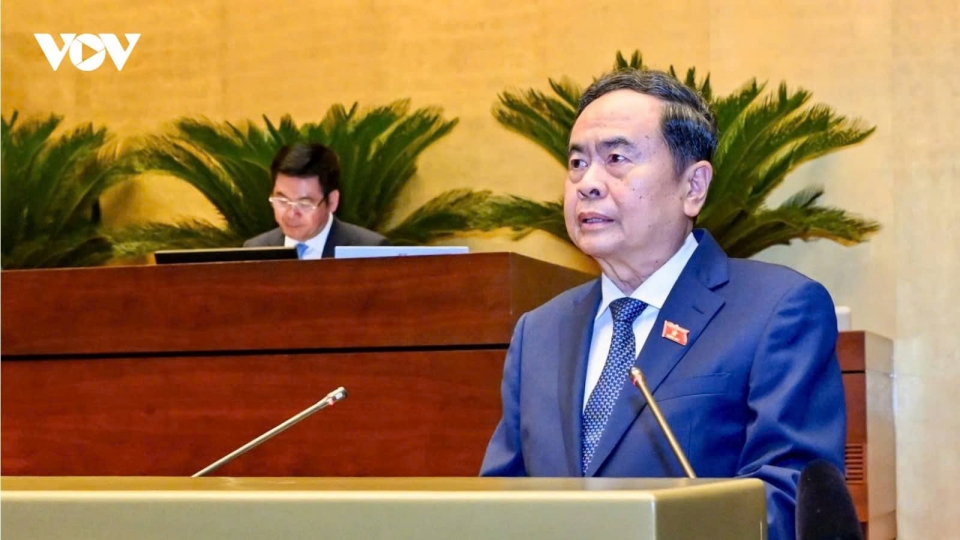
VOV.VN - The 16th National Assembly opened its first extraordinary session in Hanoi on August 3 with National Assembly Chairman Tran Thanh Man calling for faster legislation to promptly institutionalise the Party’s major policies, remove legal bottlenecks and create momentum for the country’s next stage of development.


