Vietnamese PM’s ASEAN Summit trip signals strong commitment to regional cooperation

VOV.VN - As ASEAN enters a critical transition period shaped by growing geopolitical uncertainty and global economic volatility, Prime Minister Le Minh Hung’s participation in the 48th ASEAN Summit in the Philippines is viewed as a clear demonstration of Vietnam’s proactive and responsible role within the regional bloc
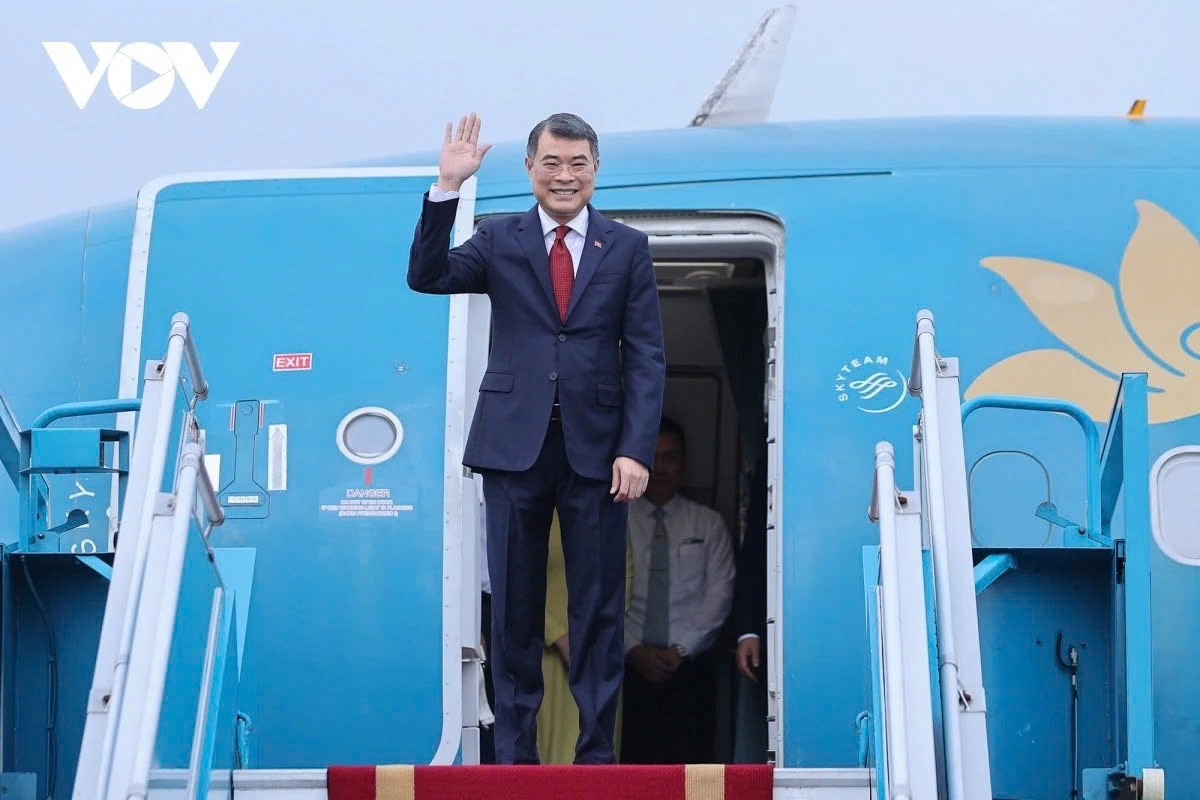
In an interview with VOV, Vietnamese Ambassador to the Philippines Lai Thai Binh emphasised that this marks the Prime Minister’s first overseas trip in his new capacity, taking place at a time when ASEAN faces increasing pressure to strengthen internal solidarity and improve its adaptability amid rapidly evolving regional and global dynamics.
According to the ambassador, the Prime Minister’s attendance at the 48th ASEAN Summit “clearly reflects Vietnam’s foreign policy of independence, self-reliance, peace, cooperation, development, diversification and multilateralisation of external relations.”
He added that the trip also underscores ASEAN’s top strategic importance in Vietnam’s overall foreign policy, while reaffirming Vietnam’s role as an active, proactive and responsible member in the ASEAN community-building process.
ASEAN 48: Strengthening unity and strategic adaptability
The 48th ASEAN Summit takes place against what Ambassador Binh described as a period of profound and multi-layered global transformation, marked by intensifying major-power competition, rising protectionism and prolonged geopolitical conflicts.
In this context, ASEAN faces growing pressure to strengthen regional cohesion, enhance economic resilience and deepen intra-regional cooperation.
The summit in Cebu, according to the diplomat, offers ASEAN an opportunity to reaffirm its flexibility and adaptability while continuing to serve as one of the world’s most successful models of regional cooperation.
As ASEAN Chair for 2026, the Philippines is promoting the theme “Navigating Our Future, Together,” focusing on three pillars: peace, prosperity and people. Manila is also advancing regional consultation mechanisms aimed at improving ASEAN’s collective policy response to emerging challenges.
Prime Minister Le Minh Hung’s participation is expected to allow Vietnam to contribute actively to strategic discussions and the bloc’s long-term development agenda.
Philippines’ ASEAN Chairmanship and regional priorities
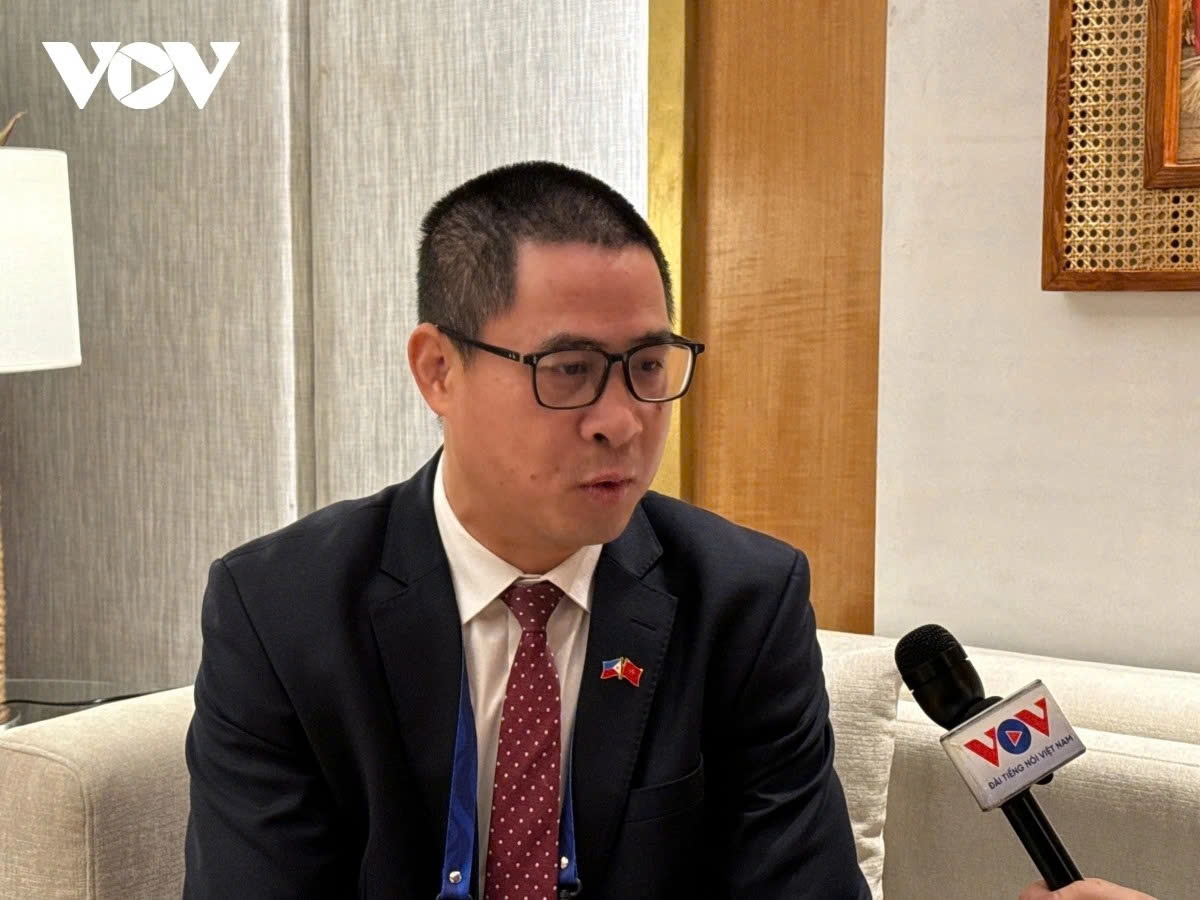
Ambassador Lai Thai Binh noted that the Philippines’ ASEAN 2026 initiatives come at a time when the region is facing mounting geopolitical tensions, global economic uncertainty and increasingly complex non-traditional security threats.
Under its chairmanship, the Philippines is prioritising regional consultation frameworks designed to strengthen ASEAN’s responsiveness and strategic resilience.
“In a world filled with uncertainty, ASEAN continues to be recognised as a regional cooperation model built on dialogue and consensus, playing an important role in maintaining regional peace, stability and development,” the ambassador said.
Vietnam’s expanding role in ASEAN
Within this broader context, Ambassador Lai Thai Binh stressed that Prime Minister Le Minh Hung’s participation at ASEAN 48 reflects Vietnam’s increasingly important role as a “proactive, active and responsible” ASEAN member.
He added that the summit also provides Vietnam with an opportunity to help shape ASEAN’s future development direction, especially as the bloc enters the post-2025 implementation phase of its strategic agenda.
50 years of Vietnam–Philippines relations
The year 2026 marks the 50th anniversary of diplomatic relations between Vietnam and the Philippines (1976–2026), an important milestone in bilateral ties.
According to Ambassador Lai Thai Binh, relations between the two countries have steadily strengthened and evolved into a Strategic Partnership characterised by growing political trust.
High-level exchanges have been maintained regularly through official visits, congratulatory messages and meetings on the sidelines of multilateral forums, contributing to stronger political confidence between the two sides.
In defence and security cooperation, ties have continued to expand both in scope and depth, focusing on information sharing, training, military medicine, defence technology, humanitarian assistance and disaster relief.
Economically, bilateral trade has maintained strong momentum, growing by more than 10% annually on average during the 2015–2025 period, increasing from US$2.92 billion to US$7.8 billion.
Notably, Vietnam’s investment in the Philippines exceeded US$92 million in 2025, accounting for the majority of total accumulated Vietnamese investment in the country to date. This reflects the growing presence of Vietnamese businesses in the Philippine market.
Tourism cooperation has also expanded rapidly. The number of Philippine visitors to Vietnam rose from 110,967 in 2016 to 482,173 in 2025, more than quadrupling in less than a decade, making the Philippines one of Vietnam’s most important ASEAN tourism markets.
Regional cooperation and shared challenges
At the regional level, Vietnam and the Philippines continue to coordinate closely within ASEAN frameworks, contributing to intra-bloc solidarity and reinforcing ASEAN centrality in the regional architecture.
The two countries share common views on the importance of maintaining peace, stability, security, safety and freedom of navigation in the East Sea, while supporting efforts to finalise an effective and substantive Code of Conduct (COC) consistent with international law.
Cooperation in emerging areas such as digital transformation, green transition, education and climate change response is also expanding, reflecting increasingly substantive and forward-looking ties between the two ASEAN members.
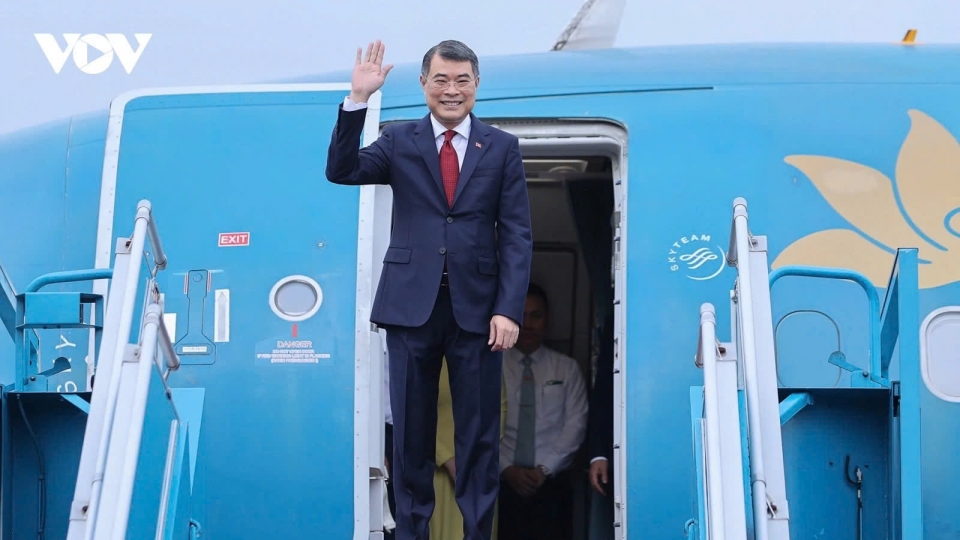
PM Le Minh Hung departs for ASEAN Summit in Philippines
VOV.VN - Vietnamese Prime Minister Le Minh Hung left Hanoi for Cebu, the Philippines, on May 7 to attend the 48th ASEAN Summit and related meetings at the invitation of Philippine President Ferdinand Romualdez Marcos Jr., whose country serves as ASEAN Chair in 2026.