Vietnam increasingly seen as an important partner: foreign media

VOV.VN - The working visit to the United States and Canada by General Secretary of the Communist Party of Vietnam and President To Lam has drawn attention from international media and policy circles, with economic and trade ties and Vietnam’s increasingly important role in the Indo-Pacific among the issues highlighted.
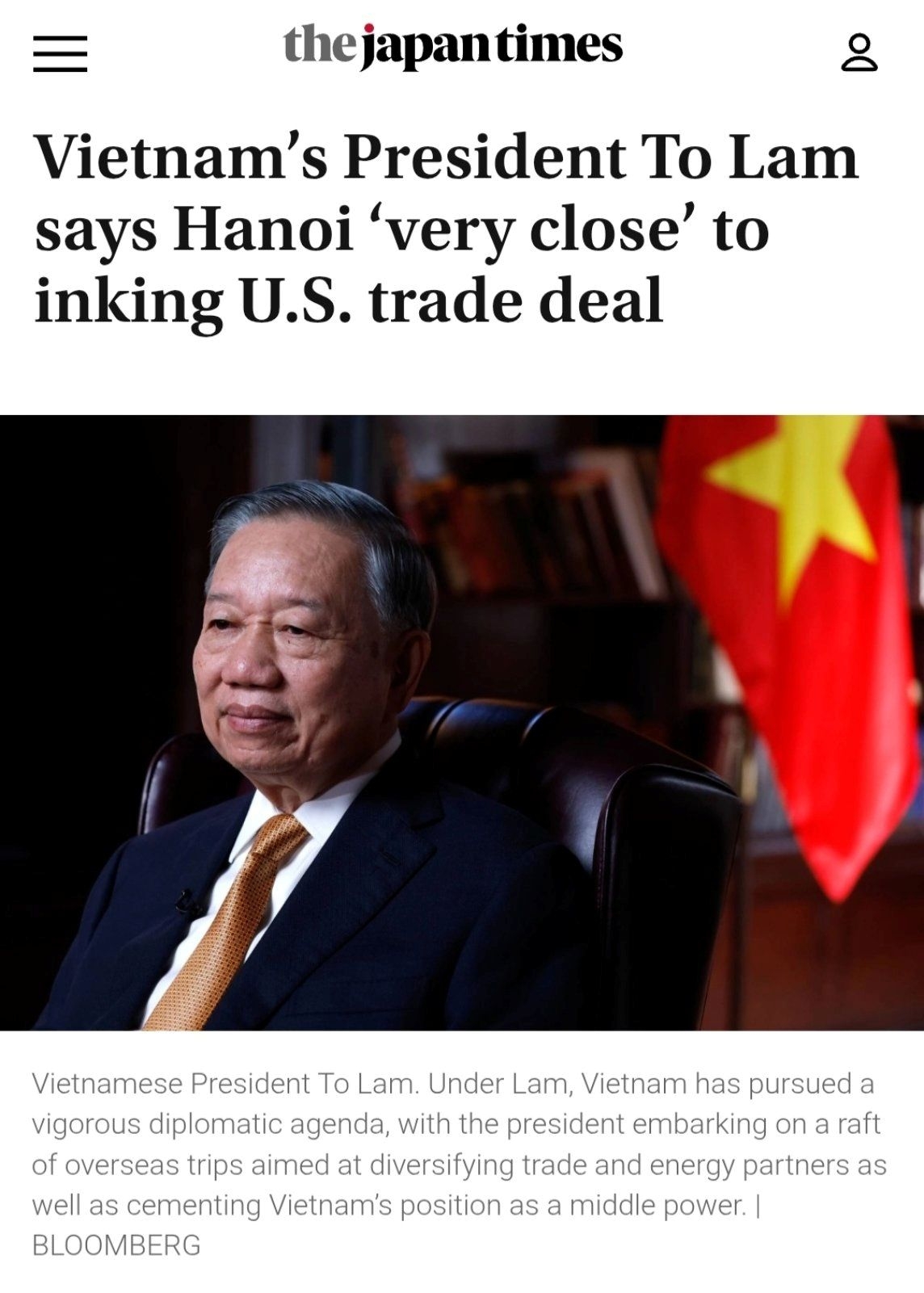
In its coverage of the trip, The Japan Times highlighted Vietnam’s active diplomatic agenda this year. It noted that the top Vietnamese leader has pursued a series of overseas visits aimed at diversifying country’s trade and energy partners and strengthening its position on the international stage.
Visits to China, Russia, India, France and other countries in the region, together with his participation in the Shangri-La Dialogue, have been viewed by The Japan Times in the context of Vietnam’s stepped-up diplomatic engagement amid a changing international environment.
The newspaper also placed the leader’s trip to the United States in the context of growing strategic competition and trade uncertainty, highlighting Vietnam’s efforts to maintain balanced relations with major partners.
This assessment is consistent with an earlier The Japan Times analysis describing Vietnam as a country seeking to leverage relations with multiple major powers amid intensifying geopolitical competition. The analysis noted that Vietnam’s flexible diplomatic approach has enabled it to strengthen ties with major partners while attracting investment from the United States and Western countries.
In Canada, media attention has focused more closely on prospects for advancing bilateral ties. CBC reported that Canada’s decision to host a State visit by General Secretary and President To Lam reflected the priority Ottawa attaches to relations with Hanoi. The report cited experts who said the two countries share a number of common interests, noting that Vietnam is currently Canada’s largest trading partner in Southeast Asia.
According to CBC, two-way trade between Vietnam and Canada reached US$20.6 billion in 2025. Experts cited by the broadcaster said the two countries could advance their existing partnership and expand cooperation in areas including advanced manufacturing, science, technology and artificial intelligence.
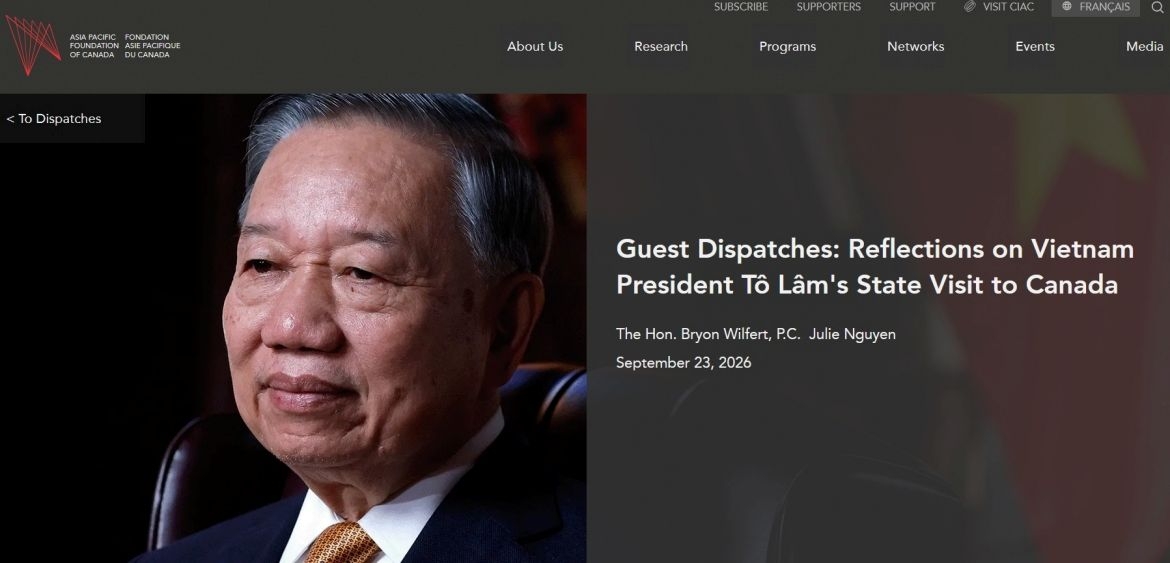
Vietnam’s role in ASEAN has also been highlighted. The Asia Pacific Foundation of Canada (APF Canada) has described Vietnam as an important partner for Canada in the Indo-Pacific. In an analysis published ahead of the leader’s State visit, APF Canada reported the visit is expected to offer Canada an opportunity to deepen economic, diplomatic and regional cooperation with Vietnam, strengthen engagement with ASEAN and enhance strategic resilience in the Indo-Pacific.
Energy is another area receiving particular attention in Canadian media. CBC quoted Jeff Nankivell, President and CEO of the Asia Pacific Foundation of Canada, as saying Vietnam has significant energy needs, while Canada could potentially supply liquefied natural gas (LNG) and crude oil. The two countries could also expand cooperation on nuclear technology as Vietnam advances its nuclear power programme.
Canadian analyses have also placed Vietnam and Canada among the middle powers seeking greater strategic autonomy and economic resilience amid an increasingly volatile international environment. Julie Nguyen, Chair of Canada-ASEAN Initiatives at York University’s York Centre for Asian Research, wrote that the two countries share an interest in building an open, rules-based international order and have opportunities to deepen cooperation in ASEAN and the Indo-Pacific.
For Vietnam, the attention from international media and policy circles comes as the country continues to pursue an active and diversified external relations policy, expand economic and trade ties with major partners and strengthen its role in regional and multilateral mechanisms.
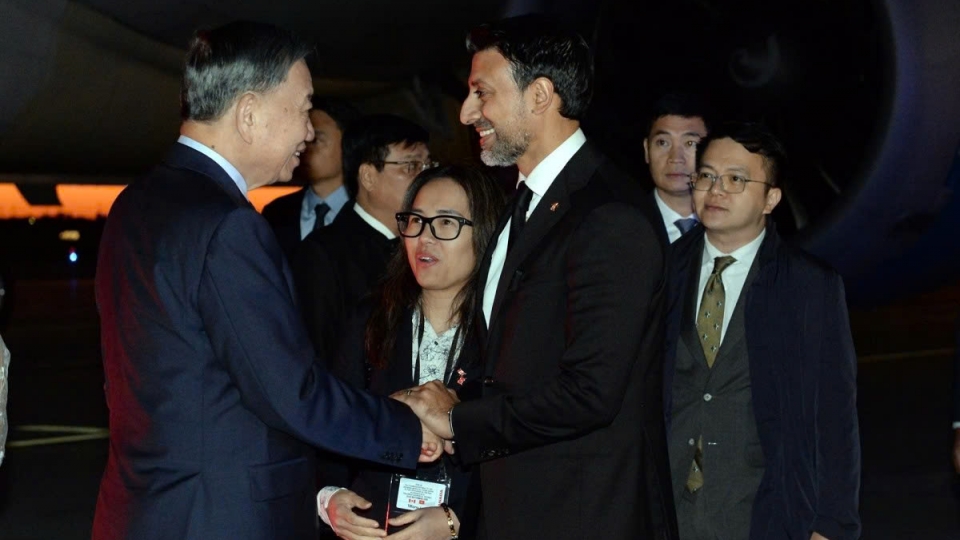
Top leader To Lam begins State visit to Canada
VOV.VN - General Secretary of the Communist Party of Vietnam Central Committee and President To Lam arrived at Macdonald-Cartier International Airport in Ottawa on the evening of September 23 (local time), beginning a State visit to Canada.