Vietnam and Sweden ramp up innovation, green transition, and high-tech cooperation

VOV.VN - Vietnam and Sweden have shared an ambition to elevate bilateral relations toward innovation-driven and sustainable development-oriented cooperation, during a meeting in Hanoi on May 19 between Vietnamese Foreign Minister Le Hoai Trung and Sweden’s State Secretary for Foreign Affairs Dag Hartelius.
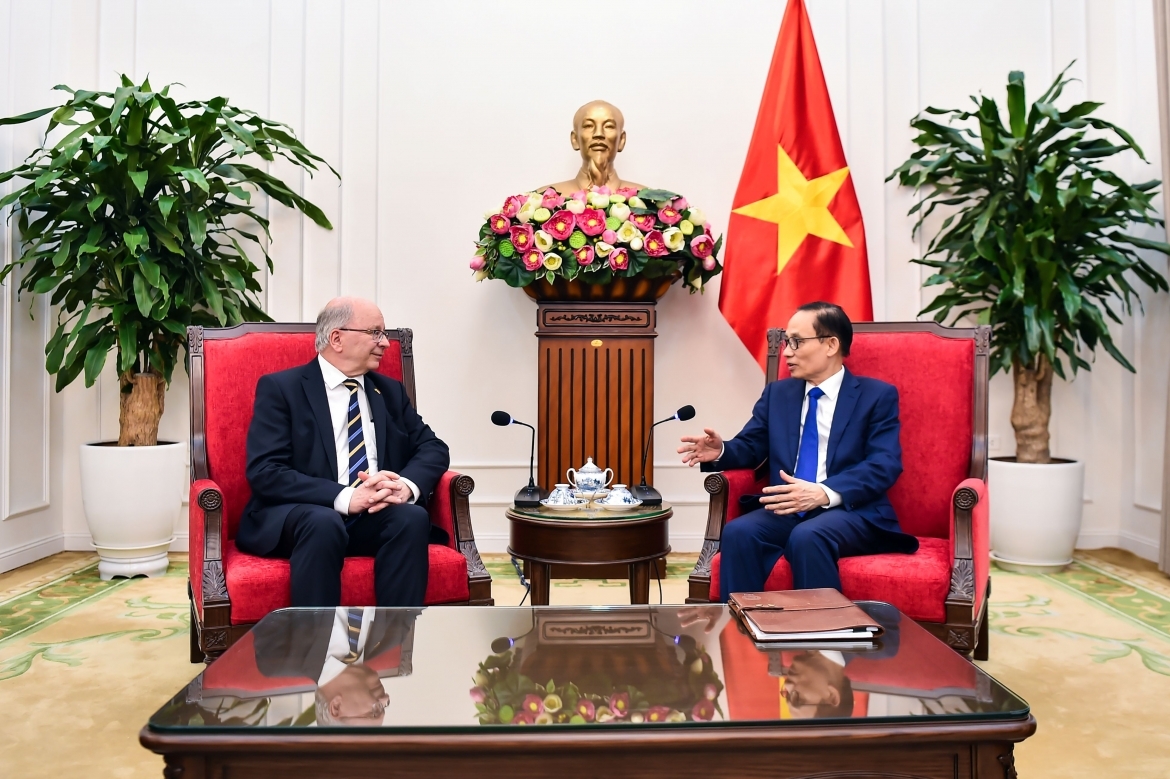
Both sides reaffirmed their commitment to strengthening political trust and expanding practical cooperation in line with their steadily growing Vietnam–Sweden relations and the recent establishment of a Strategic Partnership framework on science, technology, and innovation in June 2025.
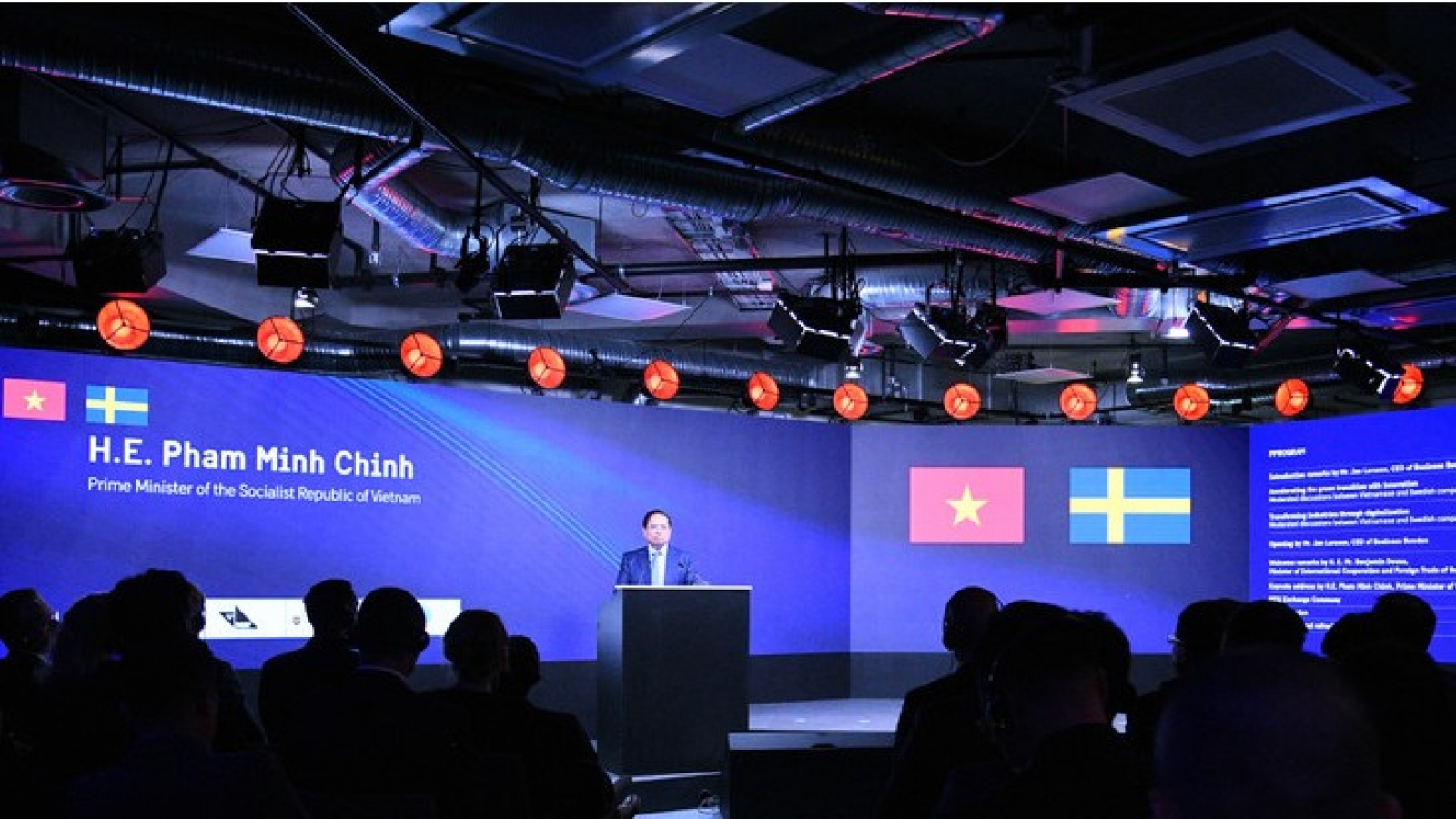
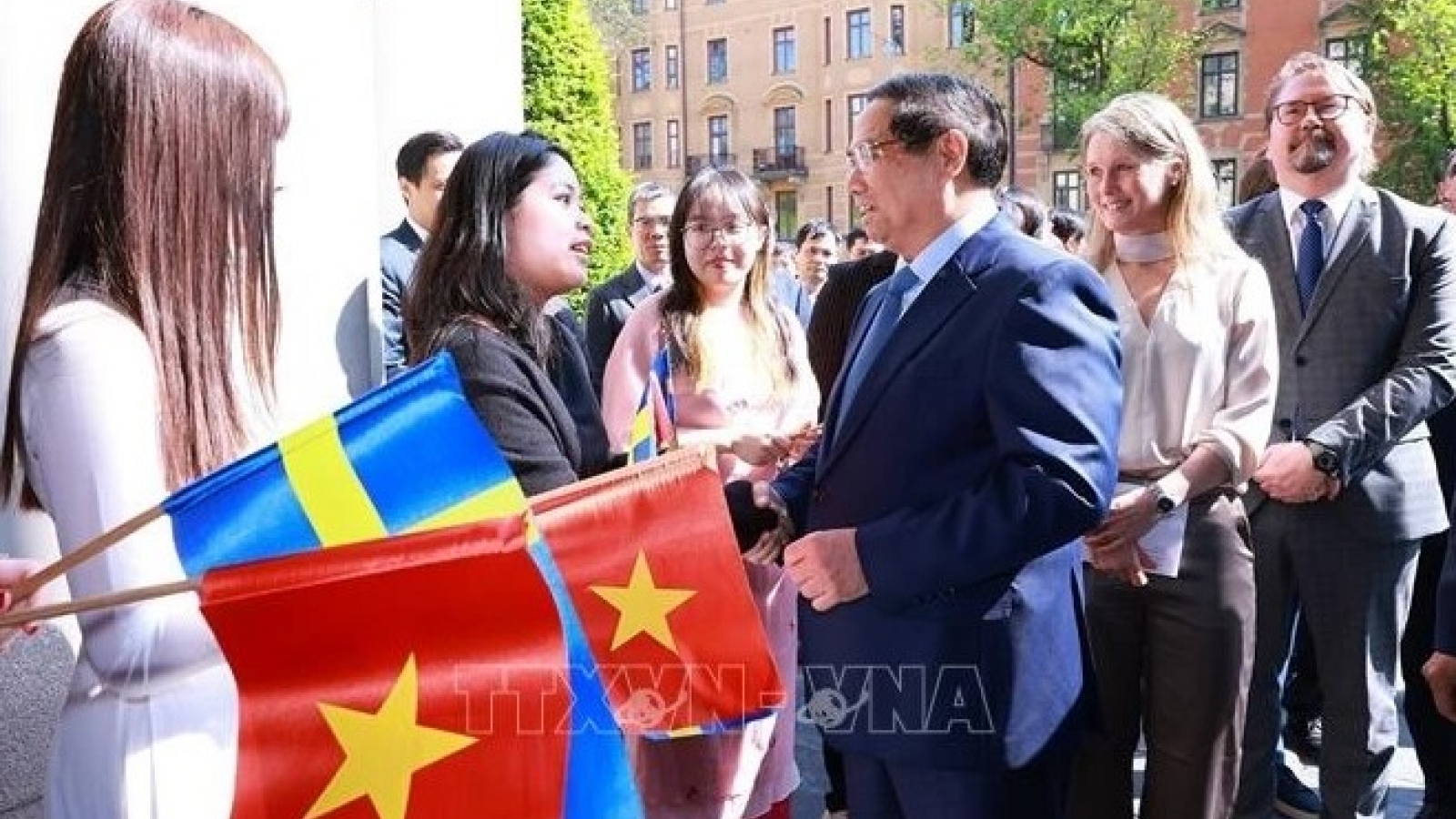
This new framework, set up during the Sweden visit by the then Prime Minister Pham Minh Chinh, is increasingly seen as a cornerstone for transforming traditional development cooperation into a more project-based and technology-focused partnership, they said.
Vietnam expects that Sweden will remain one of its leading European partners in high technology, digital transformation, renewable energy, and green development, Trung told his guest.
He also encouraged Sweden to further engage in concrete, flagship projects that can serve as new symbols of bilateral cooperation in the coming period.
In response, the Swedish diplomat who paid a working visit to Hanoi on May 18-19 expressed strong appreciation for Vietnam’s socio-economic development achievements and growing role in regional and global value chains.
He said Swedish businesses operating in Vietnam show their increasing interest in the country’s investment environment, particularly in technology, sustainable infrastructure, and innovation-driven sectors.
Sweden is ready to expand financial and technical support for green infrastructure projects, digital transformation initiatives, and cybersecurity cooperation, Hartelius told his host.
The Swedish official also commended Vietnam for its constructive and responsible role at recent major international forums and conferences, including the 11th Review Conference of the Treaty on the Non-Proliferation of Nuclear Weapons (NPT) in New York.
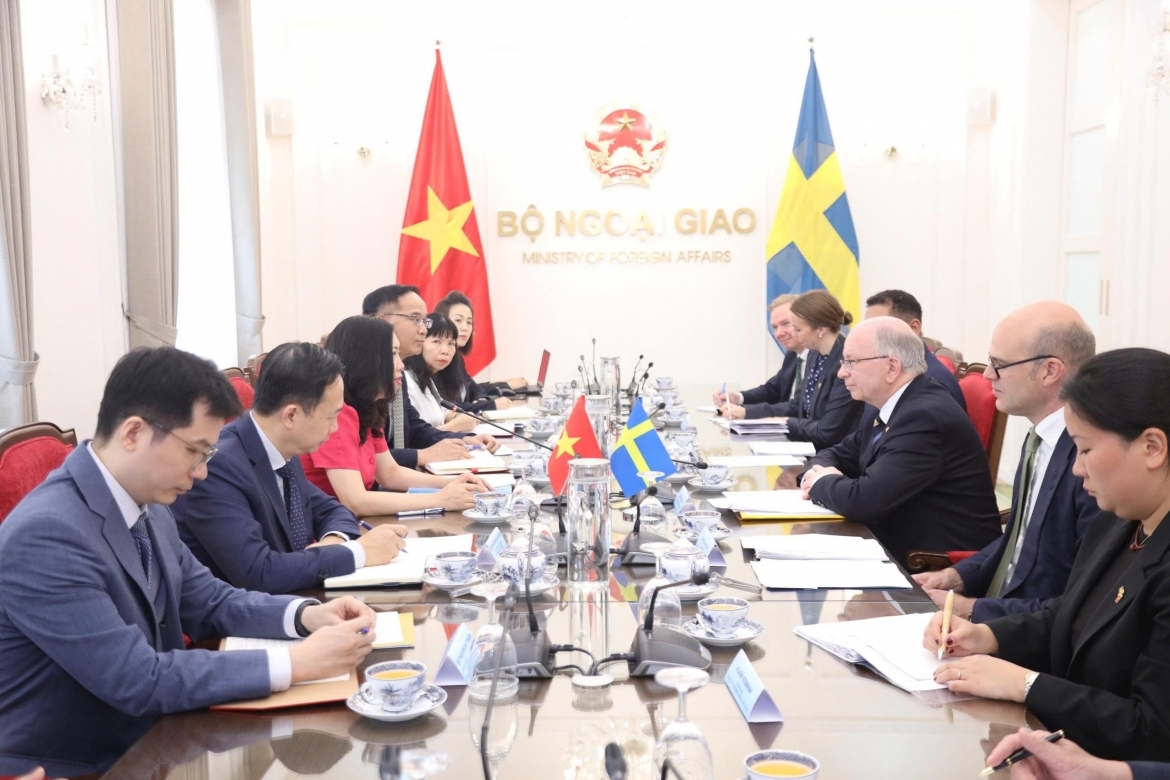
Earlier the same day, Vietnamese Deputy Foreign Minister Le Thi Thu Hang and Swedish State Secretary Dag Hartelius co-chaired the second Vietnam–Sweden Political Consultation.
Hang outlined Vietnam’s major development orientations for the new period, emphasising the goal of sustaining high and sustainable growth in the 2026–2030 phase, underpinned by science and technology, innovation, and digital transformation.
She expressed hope that the two countries would continue to build on their long-standing traditional friendship, carefully nurtured by generations of leaders and peoples of both nations, including the significant contributions of late Swedish Prime Minister Olof Palme to Vietnam.
She expressed Vietnam’s desire to see more “flagship projects” in the future, building on historically significant initiatives such as the National Children’s Hospital and the Bai Bang Paper Mill, which remain symbolic milestones in Vietnam–Sweden development cooperation.
State Secretary Hartelius affirmed that Vietnam is increasingly becoming a key and trusted partner for Sweden in the region and within global value chains. He noted growing interest from Swedish businesses in Vietnam, which is seen as one of Asia’s priority growth markets.
He also stated that Sweden is ready to expand investment and provide suitable financial solutions for key infrastructure projects in Vietnam, particularly those focused on green and sustainable development.
Both sides consented to closely coordinate in order to further strengthen cooperation across multiple fields, effectively implement the Strategic Partnership on science, technology and innovation, and promote bilateral trade while facilitating market access for goods from both sides as well as to regional markets.
They agreed to enhance cooperation in high technology, renewable energy, smart ports, circular economy, green logistics, sustainable urban development, and high-quality human resource training. They also committed to expanding scholarship opportunities for Vietnamese students and strengthening joint research programmes between universities and research institutions of the two countries.
In healthcare, education, culture, and people-to-people exchange, the two sides reaffirmed their intention to advance practical cooperation projects, particularly as Vietnam and Sweden approach the 50th anniversary of cooperation in the healthcare sector. They also pledged to enhance knowledge sharing on sustainable heritage management in support of UNESCO Creative Cities in Vietnam, including Hanoi, Hoi An, and Da Lat, while encouraging stronger locality-to-locality cooperation and business connectivity.
On this occasion, the Vietnamese diplomat called on Sweden to support the early ratification of the EU–Vietnam Investment Protection Agreement (EVIPA) by remaining EU member states, and to back the European Commission’s early removal of the “yellow card” imposed on Vietnamese seafood exports under the IUU fishing framework.
She also stressed the importance of facilitating the Vietnamese community in Sweden in maintaining stable livelihoods and successful integration, thereby contributing positively to Sweden’s development as well as bilateral relations.
Beyond bilateral cooperation, both sides reiterated their shared support for multilateralism, free trade, and the peaceful settlement of disputes in accordance with international law and the United Nations Charter, including the 1982 United Nations Convention on the Law of the Sea (UNCLOS). They also highlighted the importance of maintaining peace, stability, maritime security, and freedom of navigation in international waters.
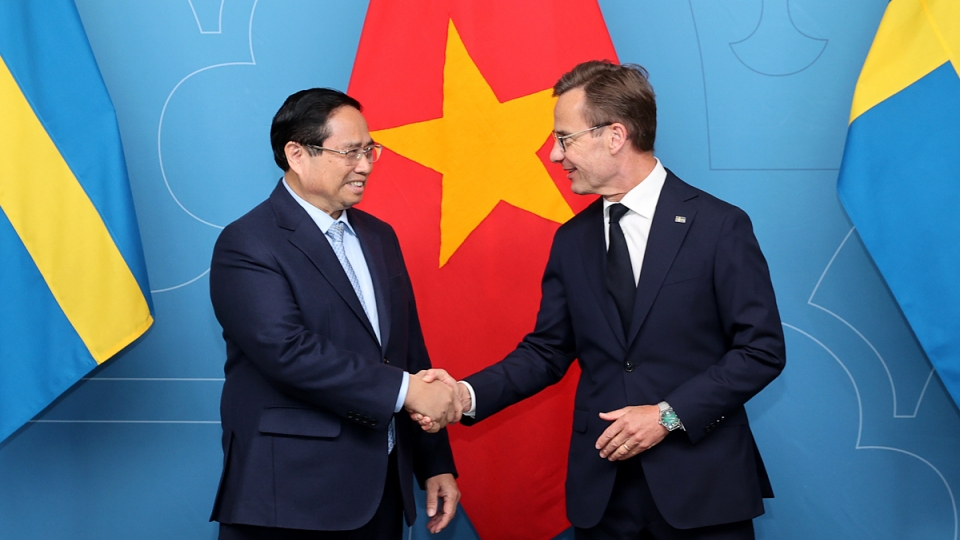
Vietnam and Sweden set sights on upgrading bilateral relations
VOV.VN - This is the right time for Vietnam and Sweden to renew their relationship and work toward elevating it to new heights, agreed Swedish Prime Minister Ulf Kristersson and his visiting Vietnamese counterpart Pham Minh Chinh during their talks in Stockholm on June 13.