European and Belgian businesses urged to become Vietnam’s long-term development partners

VOV.VN - Vietnam wants to move beyond expanding trade and investment towards long-term partnerships with European and Belgian businesses, built on joint investment, technology transfer, workforce development and stronger positions for Vietnamese companies in global value chains.
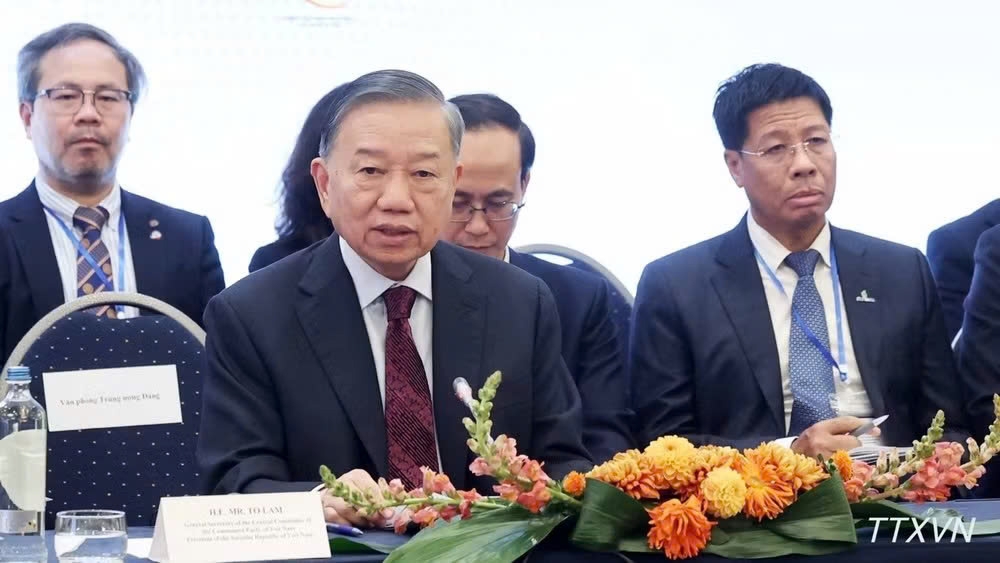
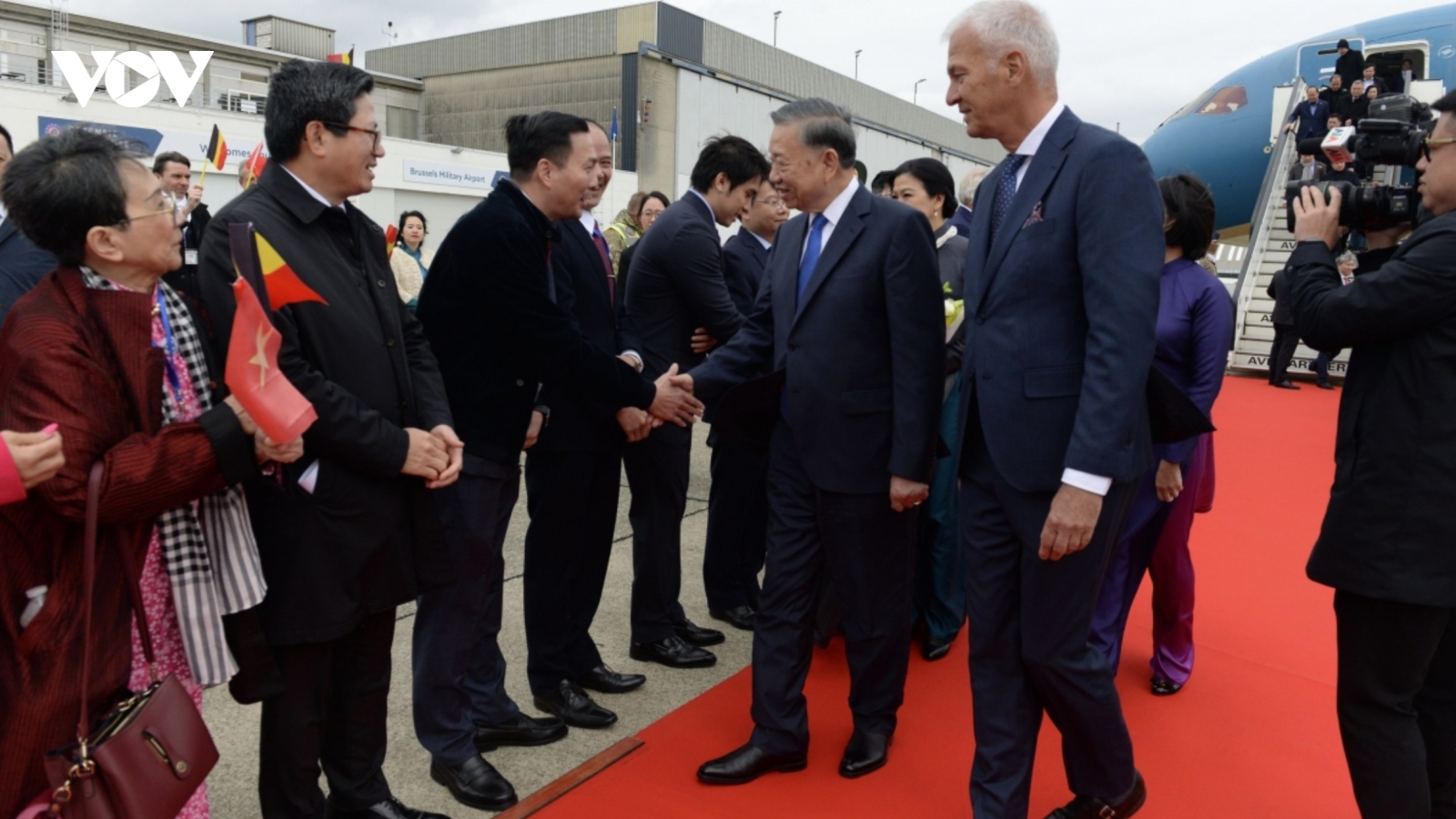
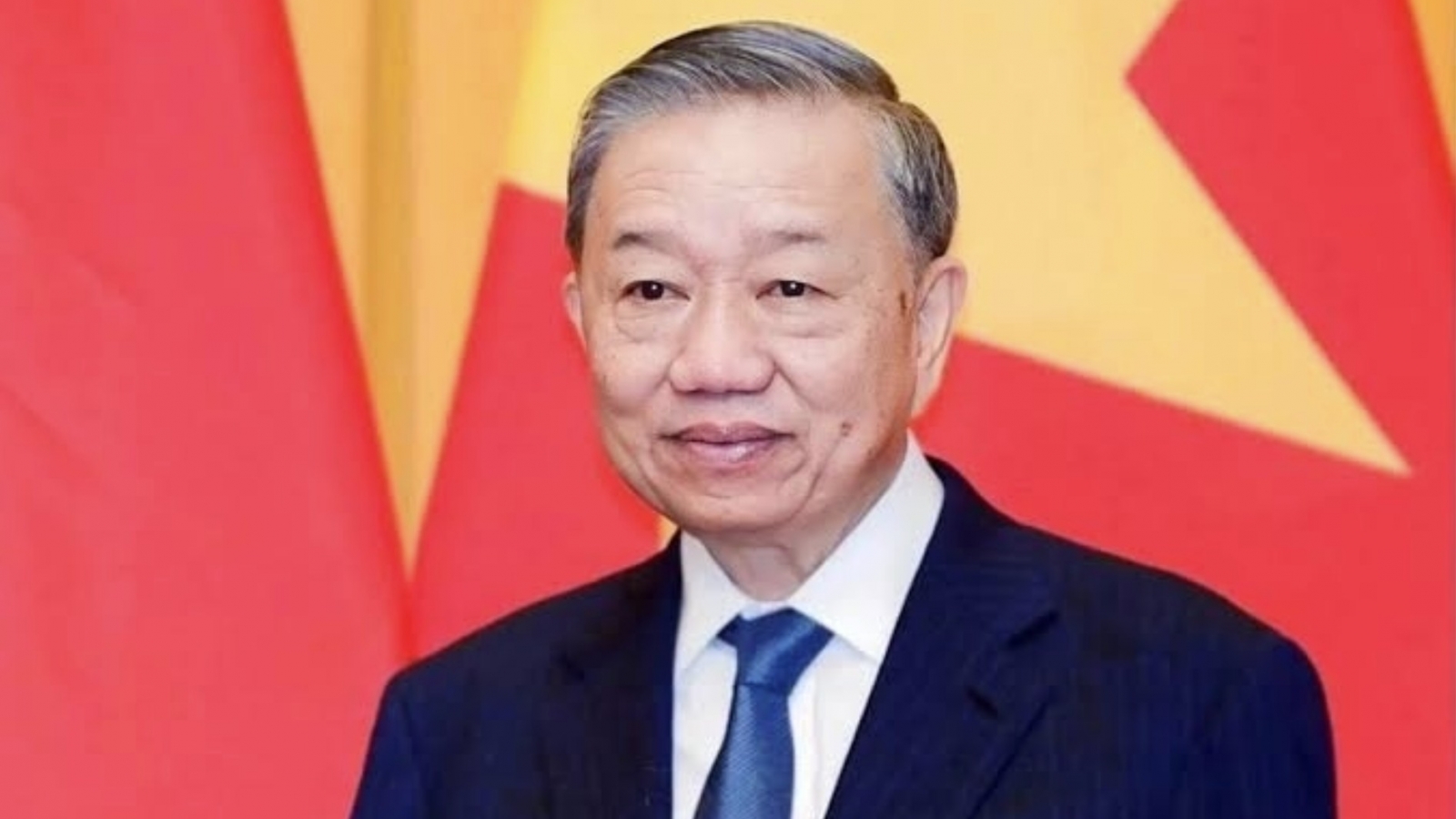
General Secretary of the Communist Party of Vietnam Central Committee and State President To Lam delivered the message at a high-level roundtable with leading European and Belgian businesses on October 22 as part of his working trip to the European Union and Belgium.
Vietnam is looking to deepen the substance of its economic ties with Europe and Belgium, with a greater emphasis on creating lasting value through technology, skills and industrial cooperation, he told the roundtable that brought together political leaders and business representatives.
He outlined three priorities for cooperation, namely strategic infrastructure and clean energy; advanced technology and innovation; and higher-value, sustainable and responsible supply chains. Across these areas, Vietnam wants European businesses to participate not merely as investors, equipment suppliers or contractors, but as long-term partners in developing local capabilities and creating shared value.
Three priorities to deepen economic partnerships
The first priority is cooperation in strategic infrastructure, logistics, seaports, clean energy and the circular economy. Vietnam has substantial demand for transport infrastructure, ports, energy, power grids, digital infrastructure and green industrial parks. Party General Secretary and State President To Lam noted that Europe’s strengths in planning, engineering, project management, environmental standards, green finance and sustainable development could complement Vietnam’s development needs.
In his view, European companies should go beyond supplying equipment or acting as contractors to participate in project design, investment, risk management and technology transfer, helping create long-term value for both sides.
The second priority is advanced technology and innovation, spanning artificial intelligence (AI), semiconductors, healthcare, pharmaceuticals, biotechnology and high-tech agriculture. Vietnam views science and technology, innovation, digital transformation and the green transition as important drivers of its growth model. The leader encouraged European businesses to work with Vietnamese companies, research institutes, universities and local authorities to develop new technological capabilities.
He explained that the success of technology projects should be measured not only by the amount of capital invested, but also by the number of Vietnamese engineers trained, the number of domestic businesses integrated into supply chains and the new competitive capabilities created.
The third priority is to turn trade into higher-value, sustainable and responsible value chains. The EU-Vietnam Free Trade Agreement (EVFTA) has improved market access for goods from both sides, but the Vietnamese leader wanted closer links between capital, technology, businesses, standards and supply chains.
Vietnam aims to increase the share of exports to Europe with greater technological content, processing, design, branding and added value. It also has substantial demand for European machinery, equipment, pharmaceuticals, technology, materials, green solutions and high-quality services. Stronger cooperation on governance, quality, safety, environmental performance, digitalisation and supply-chain responsibility would help Vietnamese businesses participate more deeply in global value chains.
Vietnam pledges a more predictable investment environment
Delivering on these priorities, the Vietnamese leader explained, will require an investment climate that gives businesses the confidence to commit for the long term. Vietnam will continue to build a stable, transparent, competitive and predictable business environment, improve project preparation and provide clear information to help investors assess opportunities, mobilise capital and implement long-term projects.
The government also pledges to address legitimate business difficulties through clearly defined responsibilities, timelines and outcomes. Ministries, sectors and local authorities will work alongside investors to advance high-quality projects that incorporate technology, generate wider benefits and align with Vietnam’s development priorities.
The leader also highlighted the need to implement the EVFTA effectively and coordinate efforts to complete ratification of the EU-Vietnam Investment Protection Agreement (EVIPA), providing a more favourable legal foundation for stable, long-term and sustainable investment once the necessary conditions are met.
European business associations are expected to help connect companies with policymakers, bridge European standards and Vietnamese production capabilities, and turn promising ideas into viable projects.
European and Belgian leaders see scope for closer cooperation
The priorities outlined by Party General Secretary and State President To Lam were echoed in contributions from Belgian and European representatives, who identified opportunities to connect Vietnam’s development ambitions with Europe’s economic, research and technological strengths.
Andries Gryffroy, First Vice-President of the Belgian Senate, viewed the roundtable as a way to strengthen economic cooperation and make fuller use of the EVFTA. He highlighted Vietnam’s growing capabilities in technology, digital transformation and the green transition, adding that closer ties with Belgium and Europe could deliver tangible benefits, particularly in seaports and logistics.
Roxana Mînzatu, Executive Vice-President of the European Commission for Social Rights and Skills, Quality Jobs and Preparedness, highlighted the potential to combine Vietnam’s economic dynamism and development goals with the EU’s research and technological capabilities. Cooperation in clean energy, semiconductors, AI, healthcare, manufacturing modernisation and local supply chains could create quality jobs in both economies. She also reaffirmed the EU’s commitment to long-term cooperation with Vietnam through investment, innovation and employment.
Business representatives at the roundtable discussed potential cooperation in infrastructure, logistics, advanced technology, digital transformation, the green economy, healthcare, pharmaceuticals, high-tech agriculture and food processing, reflecting their interest in Vietnam’s development prospects.
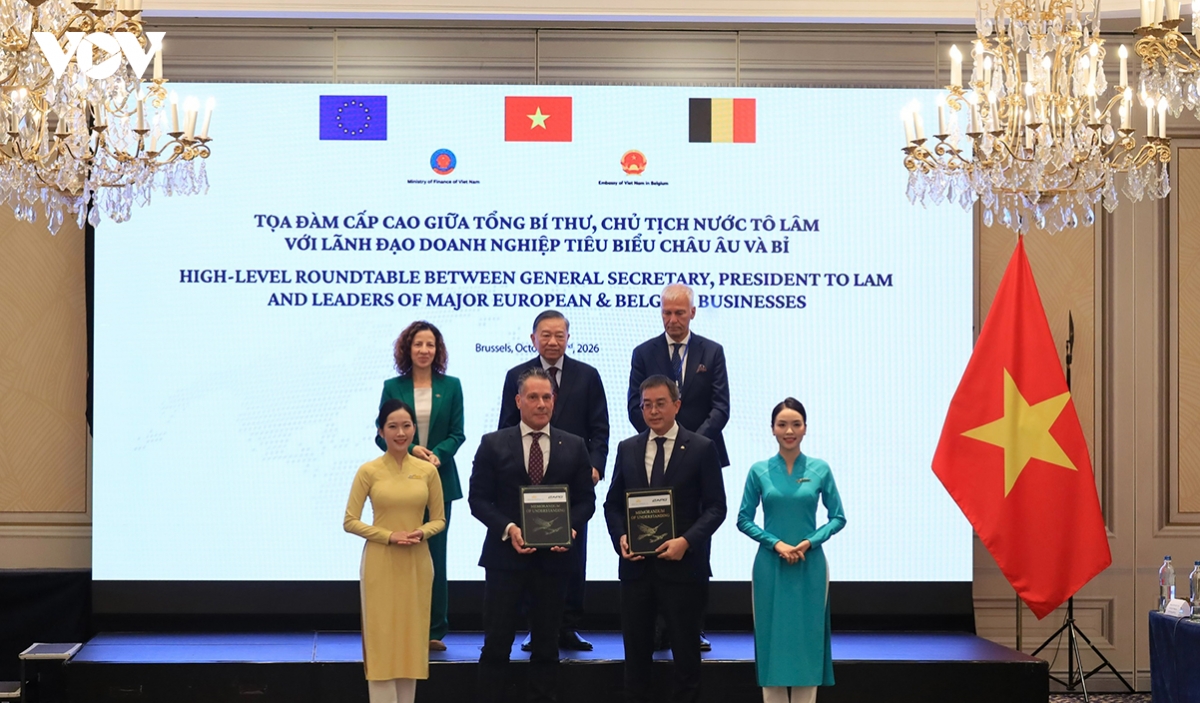
The meeting also witnessed the exchange of six cooperation agreements covering education and training; research, surveys and an investment proposal for an eco-industrial and high-tech park at Ha Bang Industrial Park in Hanoi; energy efficiency, industrial safety and the energy transition; sustainable market development and brand promotion in aviation; implementation of the An Vui Mart programme under the Aquitara Charity Fund within EuroCham’s Give Back to Vietnam programme; and strategic cooperation in tourism product development.
Vietnam–EU Comprehensive Strategic Partnership: Key milestones and priorities
VOV.VN - Top Vietnamese leader To Lam’s official visit to the EU on October 21–22 offers an opportunity to advance the Vietnam–EU Comprehensive Strategic Partnership and translate shared commitments into substantive cooperation. Here are the key milestones, areas of cooperation and priorities shaping the partnership.