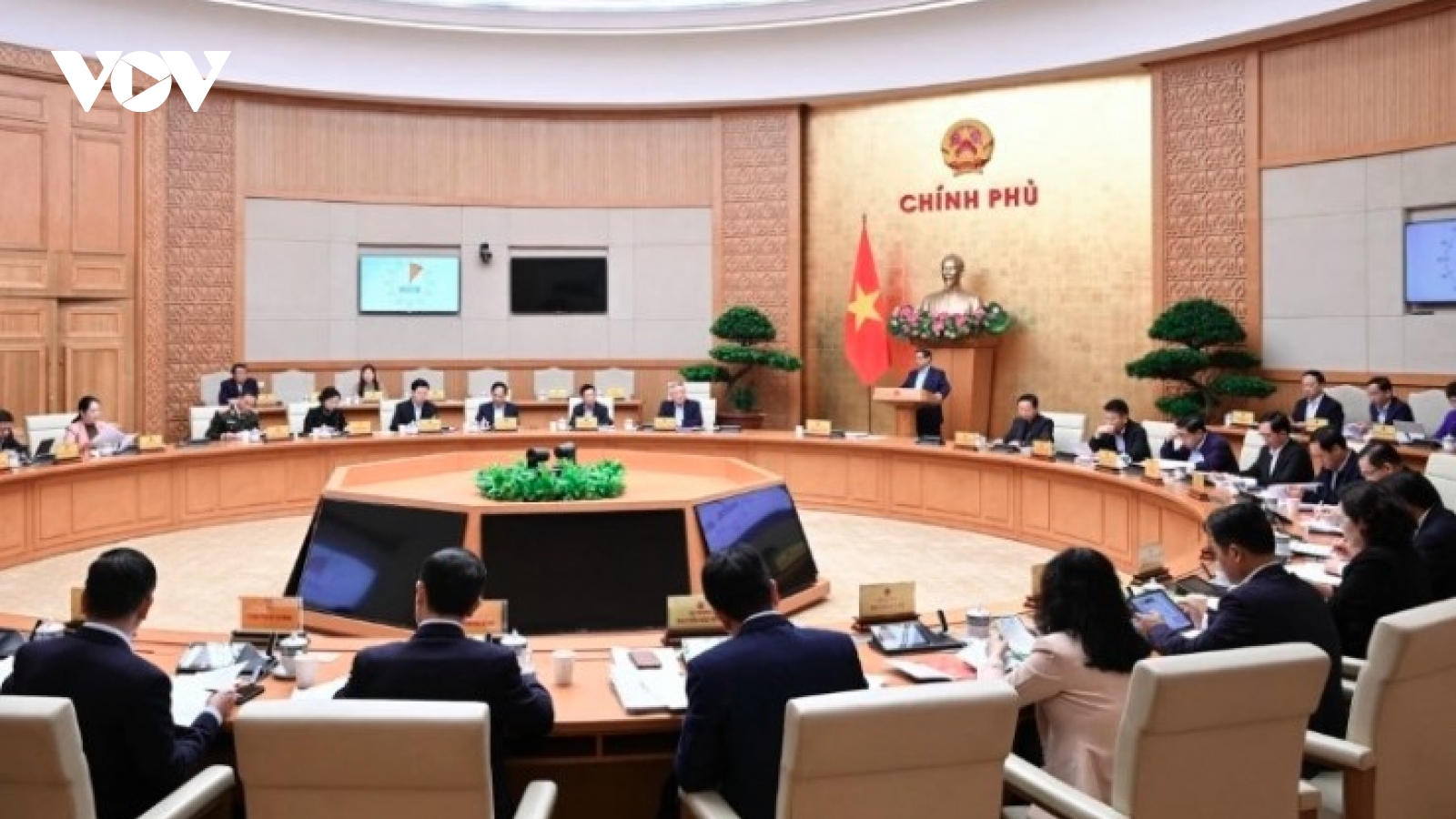
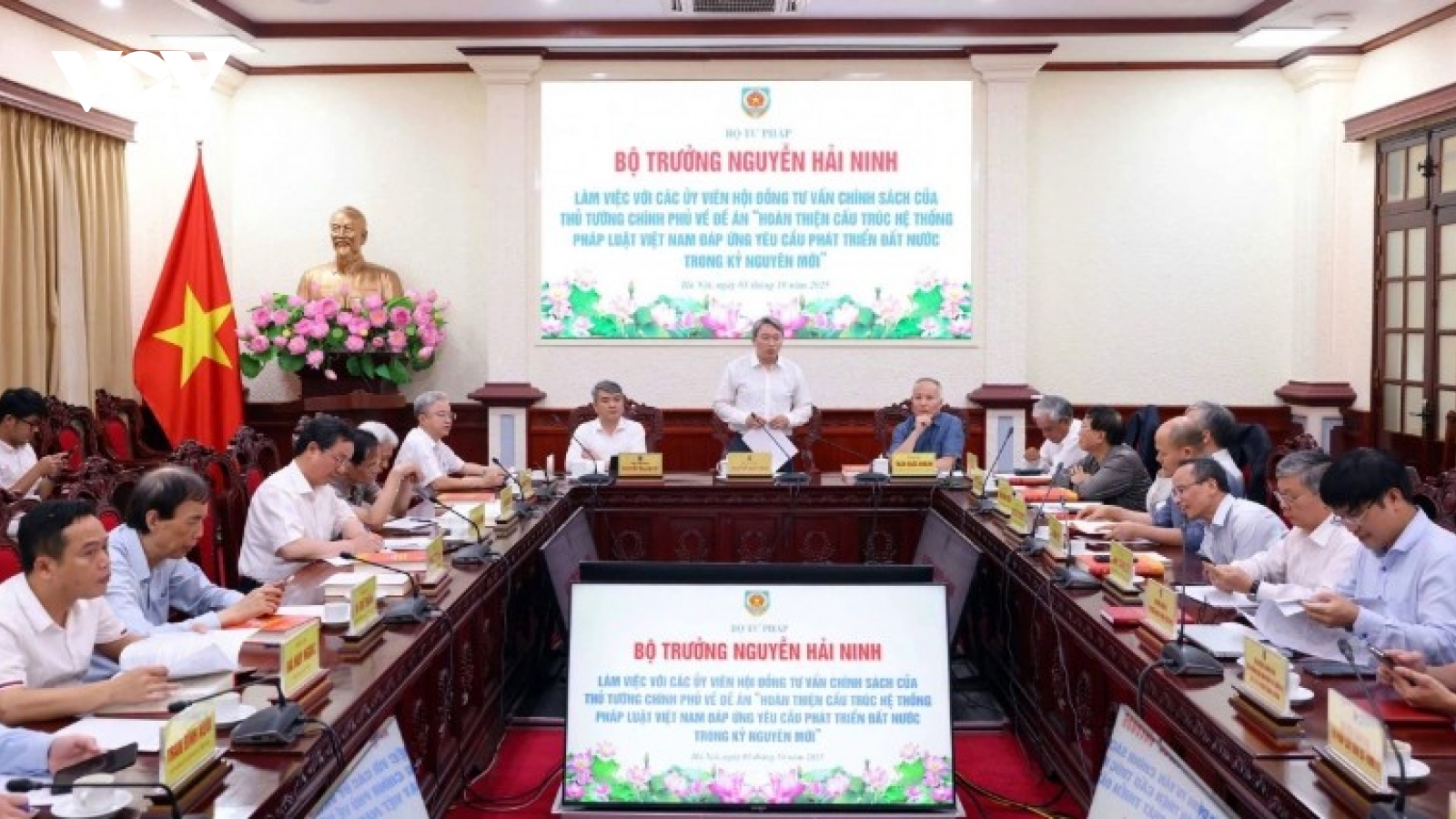
Building legal framework for innovation, development: NA Chairman

In recent years, particularly during its 15th term, the National Assembly (NA) has shifted decisively from a “management-oriented” mindset to one focused on enabling development, said NA Chairman Tran Thanh Man.
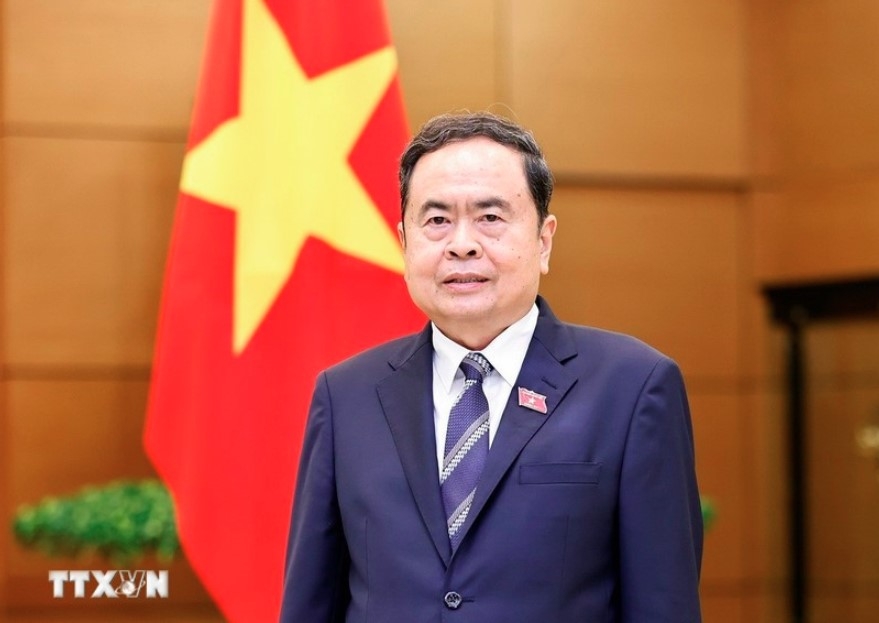
On the occasion of the 2026 New Year, the 80th anniversary of Vietnam’s first general election, the elections of deputies to the 16th National Assembly and People’s Councils at all levels for the 2026–2031 term, and the first year of implementing the Resolution of the 14th National Party Congress, NA Chairman Man granted an interview to the Vietnam News Agency.
Following is a translation of the interview.
Reporter: In 2025, the NA continued to strongly renew its thinking, asserting its role in consolidating institutions, removing “bottlenecks,” unleashing all resources, and promoting socio-economic development. Oversight activities were also refined, becoming more focused, targeted and substantive, contributing to the improvement of policies and laws and to decisions on major national issues. How do you assess these results?
NA Chairman Tran Thanh Man: Implementing the Politburo’s Resolution No. 66-NQ/TW on renewing law building and enforcement to meet the country’s needs in the new era, the NA in 2025 continued to push ahead with changes in legislative thinking and processes. It reviewed, deliberated and decided on a huge workload of historic significance, meeting the need to renew and refine institutions and the organisational apparatus of the political system, removing obstacles and promoting socio-economic development — both responding promptly to practical demands and building a legal framework for a new phase of growth.
At the ninth session alone, the NA passed 34 laws and 14 normative resolutions. At the 10th session, it set another historic milestone, considering and adopting 51 laws and eight normative resolutions — nearly 30% of all laws and normative resolutions enacted during the entire term. This stands as clear evidence of the principle that legislation must move one step ahead, paving the way for innovation, with people’s lives and interests serving as the benchmark for policy.
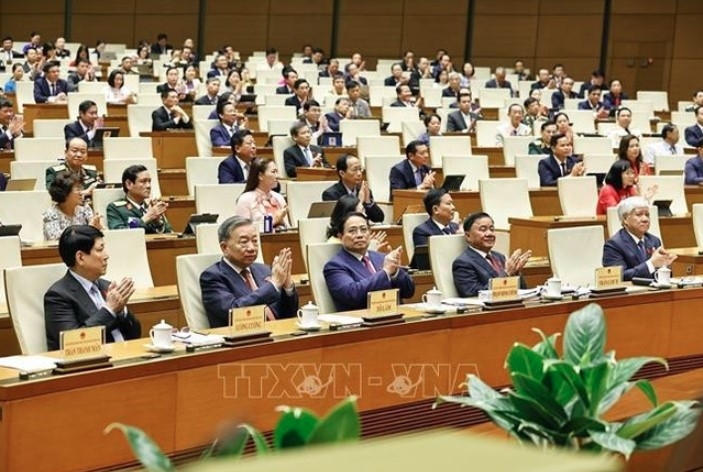
These laws cover most key sectors and many new and rapidly evolving issues. They promptly institutionalise the Party’s latest guidelines and resolutions, with a focus on removing institutional bottlenecks, particularly in land, investment, planning, construction, energy, culture and social affairs, health care and education, natural resources and the environment, science and technology; innovation and digital transformation; national defence and security, foreign affairs and international integration; and efforts to stabilise the corporate bond and real estate markets. The renewed approach to lawmaking is also clearly reflected in the way legislation is crafted, with laws confined to matters within the NA’s authority while granting the Government greater initiative and flexibility in implementation. This approach both ensures effective governance and encourages innovation, unleashing all productive capacity and resources for development.
In particular, the resolution amending and supplementing a number of articles of the 2013 Constitution, the revised Law on the Organisation of Local Government, and the resolution on the reorganisation of provincial-level administrative units in 2025, all adopted at then legislature’s ninth session, are major decisions of watershed significance. They help pave the way for the new organisational and administrative apparatus nationwide to officially come into operation from July 1, 2025. Through discussions, many NA deputies and voters, especially veteran officials, expressed strong satisfaction with the legislature’s ability to respond swiftly and flexibly to pressing practical demands, particularly as the country deepens development and international integration.
The first-ever lawmaking forum themed “Improving institutions and laws to meet the requirements of national development in the new era,” was held successfully, further underscoring a fundamental shift in legislative thinking — from a management-oriented approach to one focused on enabling development. Discussions at the forum not only reviewed practical experience in law making and enforcement during the past term and drew lessons learned, but also put forward a range of important and feasible recommendations and solutions for legislative work and policy formulation. These contributions played a meaningful role in the review of the 15th term and in shaping legislative orientations for the 16th tenure, in tandem with efforts to restructure Vietnam’s legal system.
It can be affirmed that the recent law-making process reflects NA deputies’ ability to work at a very high intensity, driven by the goal of refining institutions for the country’s future development in line with Party General Secretary To Lam’s directive to advance the three strategic breakthroughs — especially that on institutions, described as the “breakthrough of breakthroughs.”
Oversight activities were strengthened and became more focused, targeted and substantive, with practical innovations. They concentrated on timely issues and sectors with far-reaching impacts on socio-economic development and people’s livelihoods. At its 10th session, the NA reviewed the oversight report and adopted a resolution on the implementation of policies and laws on environmental protection since the 2020 Law on Environmental Protection took effect, calling for a focus on breakthrough tasks and solutions to improve environmental quality, safeguard public health and environmental security, and move toward sustainable development. The session also left a strong mark on supreme oversight, as the NA conducted a comprehensive review of reports by the Government, the Supreme People’s Court, the Supreme People’s Procuracy and the State Audit on the implementation of resolutions adopted during the legislature’s 14th and 15th tenures related to thematic supervision and questioning.
For the first time, the NA’s supervision forum was held successfully. The forum, together with discussions on the outcomes of oversight of the handling of voters’ petitions, citizen reception, the processing of complaints and petitions, and related supervisory work, made an important contribution to refining the legal framework and to decisions on major national issues. It also enhanced the effectiveness and efficiency of oversight over state power, the operation of the state apparatus and accountability in the performance of public duties, earning broad support and high praise from voters and the public.
Reporter: The year 2026 marks the 80th founding anniversary of the NA of Vietnam. How will the NA continue to pursue reforms to further enhance the effectiveness and efficiency of its operations, better fulfill its mission as the highest representative body of the people and the highest organ of state power of the Socialist Republic of Vietnam, and strive toward the goals of prosperous people, a strong nation, democracy, justice, and civilisation?
NA Chairman Tran Thanh Man: Looking back over the past 80 years, from the Tan Trao Congress of People’s Representatives – the precursor of the NA of Vietnam (August 16, 1945), to the first general election, and through 15 legislative terms, the NA has always stood alongside the nation, deciding on major issues in line with the will and aspirations of the people, while effectively fulfilling its functions of constitution-making and law-making, exercising supreme oversight, and deciding on important matters of the country.
The realities facing the country are posing pressing issues that need to be addressed, while the people are waiting for and placing their expectations on the policy decisions of the Party and the State, requiring the NA to continue renewing its mindset and ways of working.
Accordingly, legislative work must be identified as the “breakthrough of breakthroughs,” taking the lead and paving the way, encouraging innovation, fully unleashing the workforce, and unlocking all resources for development; ensuring fair competition and enhancing integration capacity; while placing emphasis on emerging areas such as digital governance, digital economy, renewable energy, green growth, circular economy, the environment, climate change, as well as national defence and non-traditional security issues.
Supervision activities must concentrate on issues such as the management of land, natural resources and environment, the prevention and combat of corruption and wastefulness, and the protection of human rights and citizens’ rights; they should be closely aligned with realities on the ground and pubic feedback, with stronger efforts to grasp issues arising in practice, listen to opinions from the grassroots level, voters, and the business community in order to accurately identify societal bottlenecks, thereby enabling flexible, timely, and practical policy responses.
Decisions on major national issues must ensure objectivity and fairness. Every decision must prioritise the national interest and the interests of the people, while resolutely preventing and eliminating any influence of vested interests or any negative external impacts.
The NA and its agencies will continue researching and improving their working methods, ensuring efficiency, reducing formality, and increasing substantive outcomes. The focus will be on further improving the process of developing session agendas, methods of discussion and debate, questioning and answering, verification procedures, the organisation of oversight activities, and interactions with voters.
Attention will be paid to strengthening comprehensive digital transformation in legislative activities, building a “digital NA” and applying artificial intelligence (AI), with innovation and digital transformation regarded as a breakthrough in performing the functions and duties of the NA and its bodies and NA deputies.
NA deputies hold a central position in the legislature's activities; therefore, it is essential to continue promoting their role and upholding their responsibility, demonstrating a commitment to contribute and dare to think, act, innovate, and take responsibility, while fulfilling their role as faithful representatives of the will and aspirations of the people.
Reporter: What lessons and foundations will the recent innovations in legislative work provide for the activities of the NA in the coming time?
NA Chairman Tran Thanh Man: In recent times, particularly during the 15th term, the legislative work has undergone strong innovations, shifting decisively from a “management-oriented” mindset to one that embraces development-oriented policymaking. This has not only addressed urgent issues but also provided valuable lessons that contribute to improving the legal and institutional framework to meet the country’s development requirements. These lessons include:
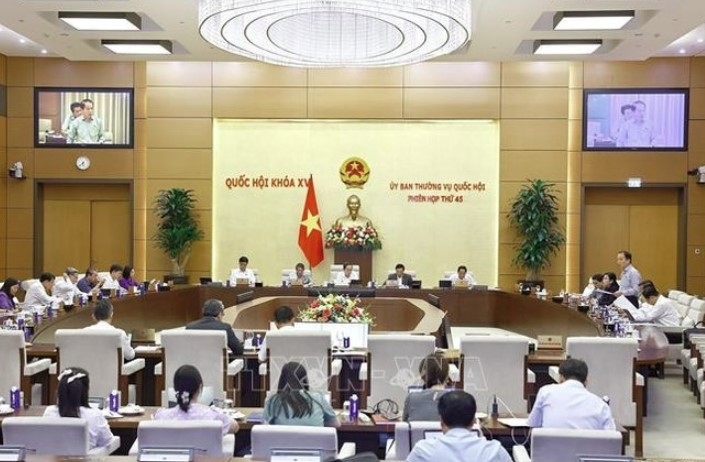
First, the leadership of the Party is the key factor ensuring the success of constitution-making and law-making. In all circumstances, maintaining the Party’s leadership role is essential to ensure that constitution-making and legislative activities always serve the interests of the people and align with the country’s development strategy. As the highest representative body of the people, the NA must promptly institutionalise the Party’s guidelines and policies into the State’s laws, reflecting a high level of consensus and unity between the Party’s will and the people’s aspirations, thereby creating a legal foundation for the country’s rapid and sustainable development.
Second, ensuring a close connection between law and the realities. The NA has reviewed and passed a large number of laws and resolutions, including many historic decisions, responding promptly to new situations and meeting the practical requirements. Policies have consistently placed people and businesses at the centre, actively addressing difficulties and obstacles, contributing to unleashing productive capacity and effectively mobilising and utilising all resources for national development.
Third, ensuring close coordination among all stakeholders in the legislative work. The coordination between the Government and the NA has become increasingly synchronised and effective, from early-stage preparation of bills and projects to their review, refinement and submission to the NA for consideration and decision. Smooth, close, and effective collaboration among the Government, the Vietnam Fatherland Front (VFF) Central Committee, the Supreme People’s Court, the Supreme People’s Procuracy, NA bodies, and other relevant agencies and organisations, along with the active, effective, and dedicated participation of NA deputies, is a decisive factor in enabling laws and resolutions to be passed by the legislature with high approval rates.
Fourth, professionalism and a scientific approach form the foundation for improving the quality of legislation. The sense of responsibility, dedication, and diligence of all officials, civil servants, public employees, and staff of the NA Office, the NA Council for Ethnic Affairs, NA committees, the offices of the NA deputy delegations and People’s Councils, relevant ministries, sectors, agencies, as well as news agencies, and local authorities, plays a crucial role in law-making. Legislative work carried out in accordance with strict procedures, together with the strong promotion of science and technolog, serves as a powerful support, helping to speed up progress and enhance the quality of the NA’s legislative activities.
Reporter: The draft documents of the 14th National Party Congress identify the continued building and comprehensive improvement of institutions to promote rapid and sustainable national development. What requirements does this task place on the NA in the coming period?
NA Chairman Tran Thanh Man: The draft Political Report to be submitted to the 14th National Party Congress has set the target of achieving double-digit economic growth in the next term, while also requiring a strong focus on comprehensively and synchronously improving institutions to ensure rapid and sustainable national development. To meet these goals, the NA’s legislative work must continue to undergo robust renewal, with quality and effectiveness further enhanced.
The NA will continue to effectively implement the Politburo’s Resolution No. 66-NQ/TW on renewing the formulation and enforcement of laws to meet the country’s development requirements in the new era; strictly adhere to legislative procedures; resolutely prevent and combat corruption, negativity, and group interests; and further strengthen timely and effective coordination among NA bodies, the Government, the Central Committee of the Vietnam Fatherland Front, the Supreme People’s Court, the Supreme People’s Procuracy, and relevant agencies. This is to ensure that every law is grounded in the national interest, the interests of the people, and the legitimate aspirations of the public.
It is necessary to continue renewing thinking in law-making, turning the legal institutional framework into a competitive advantage and a driving force for national development; and to review loopholes, gaps, and bottlenecks in the legal system to promptly revise, supplement and refine it. The legal framework must be ensured to be coherent, stable and feasible, meeting both urgent short-term requirements and providing a long-term legal foundation for sustainable development, international integration, the application of science and technology, and national digital transformation.
At the same time, efforts should be made to improve the quality of NA deputies and further enhance their role, including increasing the proportion of full-time deputies, so that the NA is not only the highest representative body but also a crystallisation of the intellect of the entire people.
The Government, ministries, sectors, and relevant agencies and organisations, within their respective functions, tasks and powers, must urgently organise the implementation of laws and resolutions adopted by the NA at its 10th session, and issue implementing regulations in a timely manner. Efforts should be stepped up to disseminate and popularise laws, particularly those laws and resolutions that directly affect the rights and interests of the people and businesses. Policies should be regularly reviewed and their effectiveness and quality assessed after promulgation, in order to promptly make adjustments, supplements and revisions where necessary.
The NA Standing Committee will continue to provide strong and decisive direction for the synchronous application of information technology and digital technologies to improve the quality and effectiveness of the NA’s operations and those of its bodies. It will also continue to study and propose solutions to renew and enhance the quality and efficiency of NA sessions, meeting requirements in the country’s new stage of development.
Reporter: The foremost task of the NA, not only for 2026 but also for the entire upcoming term, is to successfully organise the elections of deputies to the 16th National Assembly and to People’s Councils at all levels for the 2026–2031 term. Alongside favourable conditions such as political stability and the steadily improving living standards and awareness of voters, Vietnam, like many other countries, is also facing the impact of misinformation on social media or interference by hostile external forces. Could you outline the requirements and innovations set for this elections?
NA Chairman Tran Thanh Man: The elections of deputies to the 16th National Assembly and People’s Councils at all levels for the 2026–2031 term is a nationwide festival, providing voters with the opportunity to exercise their mastery by selecting and electing outstanding representatives who embody their will and aspirations in the NA and People’s Councils at all levels for the new term. Through this process, the elections will make a positive contribution to building, consolidating and improving the socialist rule-of-law state of the people, by the people and for the people.
This is a major political event of the country, to take place shortly after the 14th National Party Congress, and is expected to further generate fresh momentum for the nation’s rapid and sustainable development.
Compared with previous terms, the elections feature a number of important new elements. These include the shortening of the tenure of the 15th NA and People’s Councils at all levels for the 2021–2026 term, and the designation of March 15, 2026 as Election Day, two months earlier than in previous elections.
The timelines for the electoral process have also been compressed: the period from the close of candidate nomination to Election Day has been reduced from 70 days to 42 days; deadlines for consultative meetings, the announcement of candidate lists, and the settlement of complaints and denunciations have been adjusted accordingly to ensure coherence and practical suitability. The authority to determine polling areas and the organisations in charge of elections has been adjusted in line with the two-tier local government model.
In addition, methods of electioneering have been diversified. Alongside in-person voter meetings, online or hybrid formats combining in-person and online engagement are permitted, provided that technical requirements, information safety and cybersecurity are ensured. Notably, a mechanism has been introduced allowing the National Election Council to proactively adjust timelines and provide guidance to election-related bodies in response to practical situations, thereby ensuring the schedule and effectiveness of election organisation.
High political resolve, together with the close leadership and direction of the Party Central Committee, the Politburo and the Secretariat, directly led by Party General Secretary To Lam, as well as Party committees at all levels in election preparations, constitutes the foremost factor ensuring the success of the election.
Alongside this are decisive, hands-on, proactive, creative and flexible actions closely aligned with practical realities and the geographical conditions of each locality; and close, effective coordination and division of responsibilities among relevant agencies and organisations throughout the entire electoral process, ensuring transparency, clarity, unity and smooth implementation from the central to grassroots levels.
In particular, it is essential to strictly implement the requirements set out in the Politburo’s Directive No. 46-CT/TW, under which the entire political system must remain united and cohesive, strengthen coordination, and concentrate efforts on preparing all necessary conditions to ensure the successful organisation of the elections. The elections must be conducted in a democratic, equal, lawful, safe and economical manner, truly becoming a broad-based exercise in democracy across all strata of society, and enabling the selection and election of outstanding deputies who represent the intellect and aspirations of the people nationwide to the NA and People’s Councils at all levels.
I hope that voters and the people will uphold a strong sense of responsibility, fully exercise their right to mastery, and select moral, talented, visionary, enthusiastic deputies to serve in the 16th National Assembly and People’s Councils at all levels for the 2026–2031 term, so that they can effectively fulfil the tasks and responsibilities of the NA and People’s Councils in the country’s new stage of development.
With the achievements recorded during the past term, and with the support of voters and the people, I am firmly confident that the elections on March 15, 2026 will be a resounding success, marking an important starting point for building and consolidating the State apparatus for the new term, and creating a solid political and social foundation for the successful implementation of the Resolution of the 14th National Party Congress.
As a new spring approach, with confidence and pride in a country advancing on its renewal path, I extend my warmest greetings and best wishes to compatriots and voters nationwide, the Vietnamese community overseas, and international friends.
Reporter: Thank you very much!
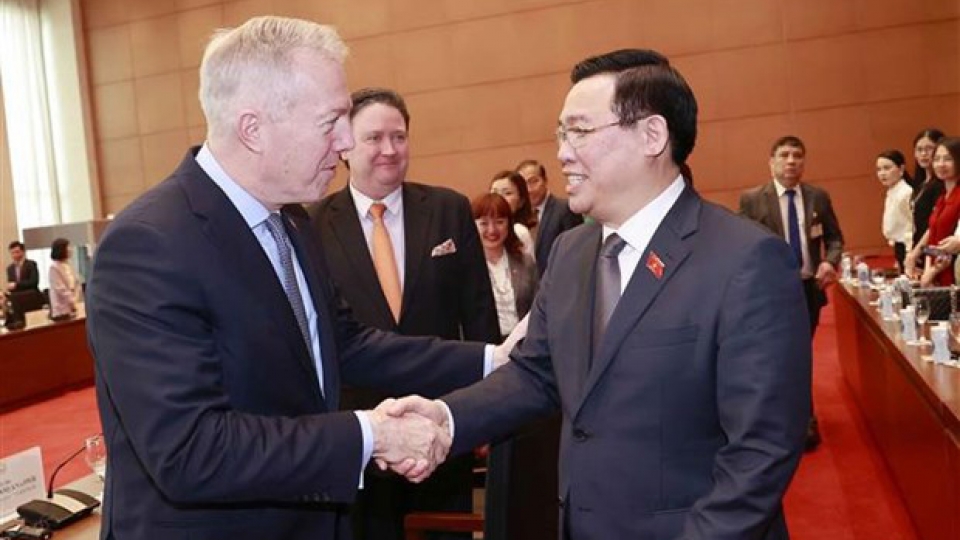
NA Chairman commits transparent legal framework for foreign enterprises
The Vietnamese National Assembly (NA) vows to create a stable, transparent and favourable legal framework for foreign enterprises, including those from the US, to continue their long-term operations in Vietnam, especially in fields of the US’s strength and Vietnam’s demand, said the top Vietnamese legislator.