VOV.VN - In the cool highland air, the Bac Ha livestock market in northern Lao Cai province convenes from early Friday mornings each week. In the horse trading area, buyers and sellers rely on experience, long-established practices and a deep understanding of animal behaviour rooted in local livelihoods.
The Bac Ha horse market is part of a larger livestock market trading buffaloes, cattle and horses, held only on Friday mornings each week. Within the market, a dedicated area for horse trading creates a specialised horse fair that preserves the traditional trading practices of local highlanders.
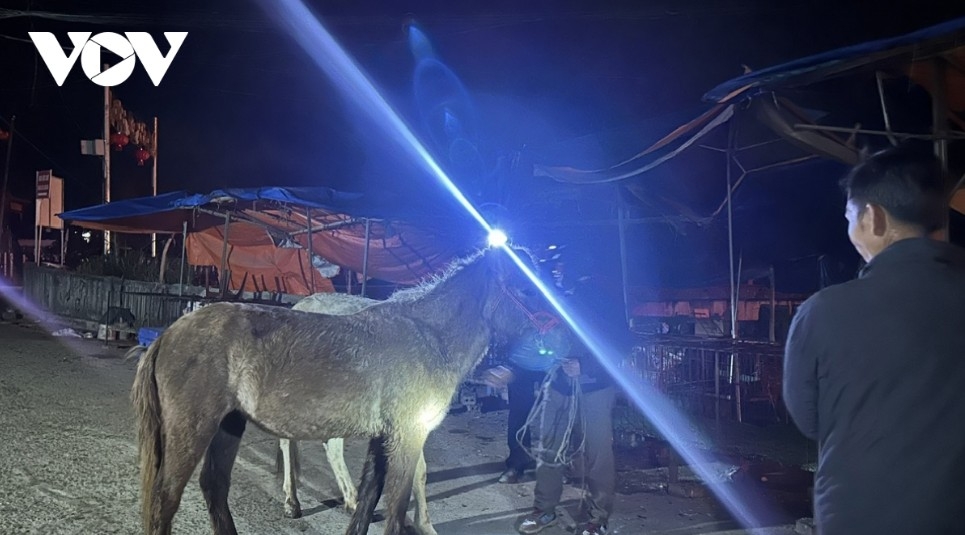
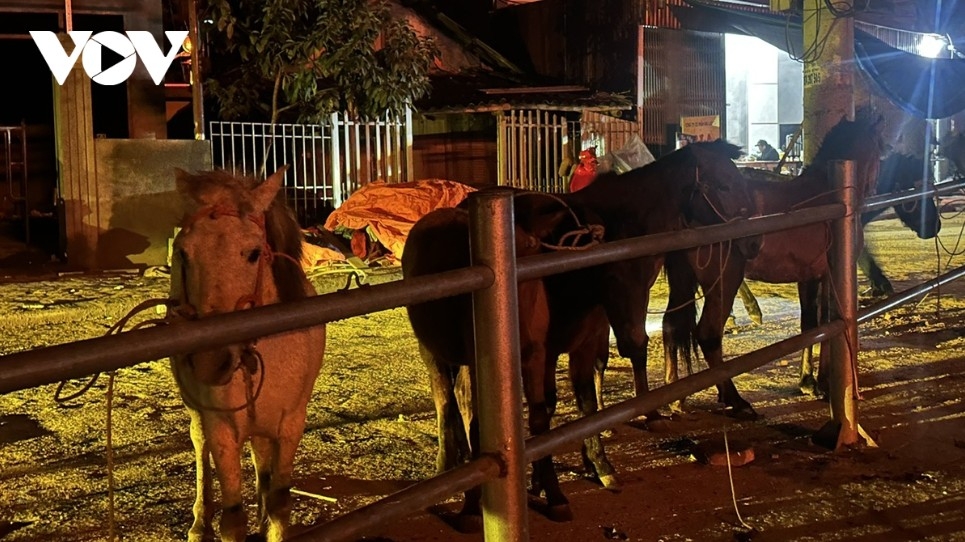
From early morning, while it is still dark under the cold mist, people lead their horses into the market in preparation for the trading session.
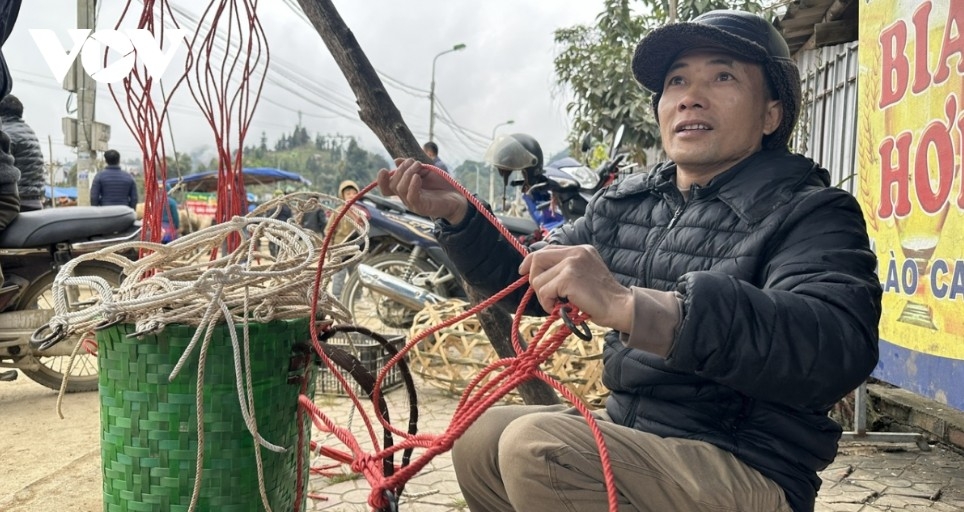
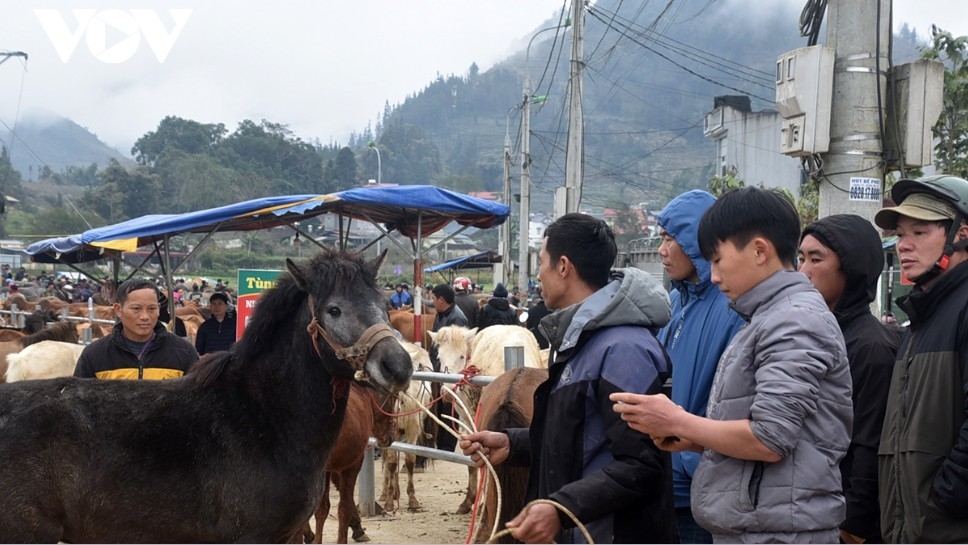
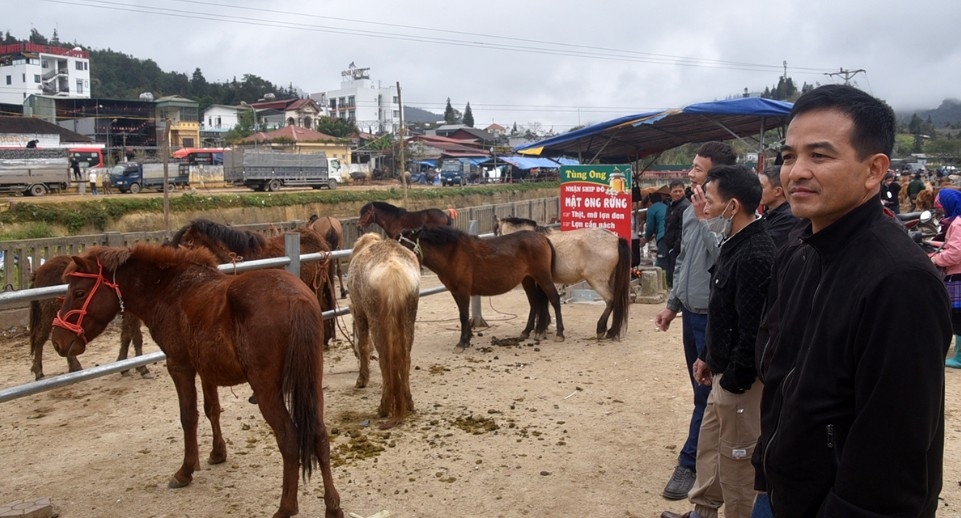
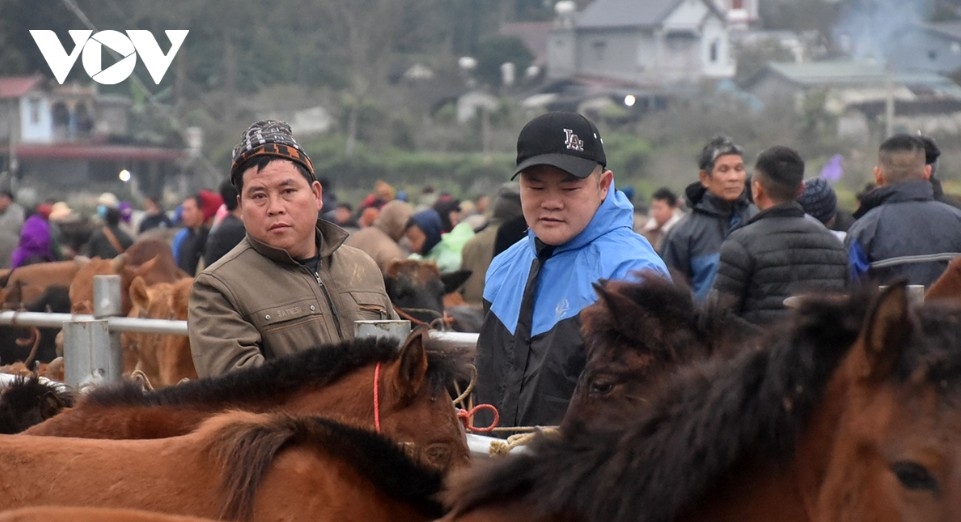
Horses are tethered to posts for ease of inspection during buying and selling.
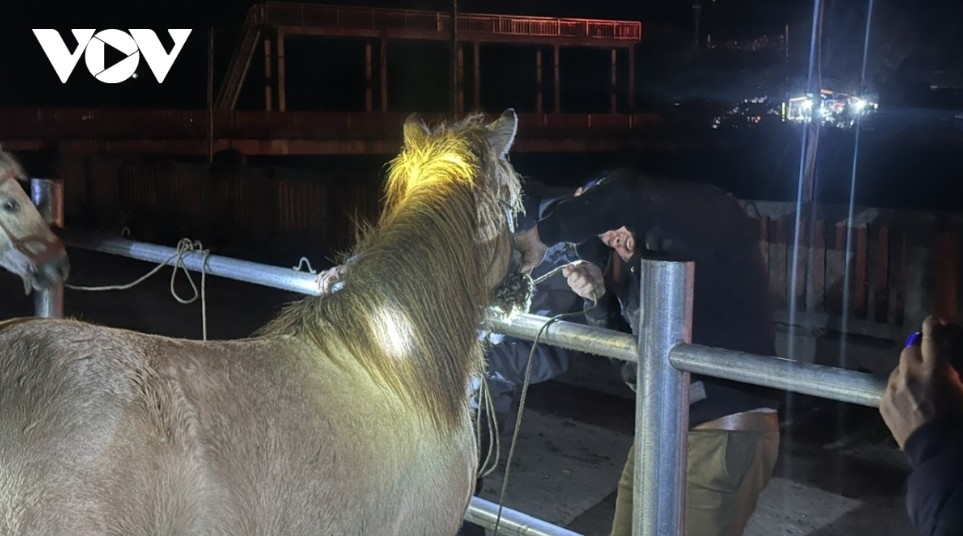
Traders check a horse’s teeth, legs and posture, a way of “reading” its value.
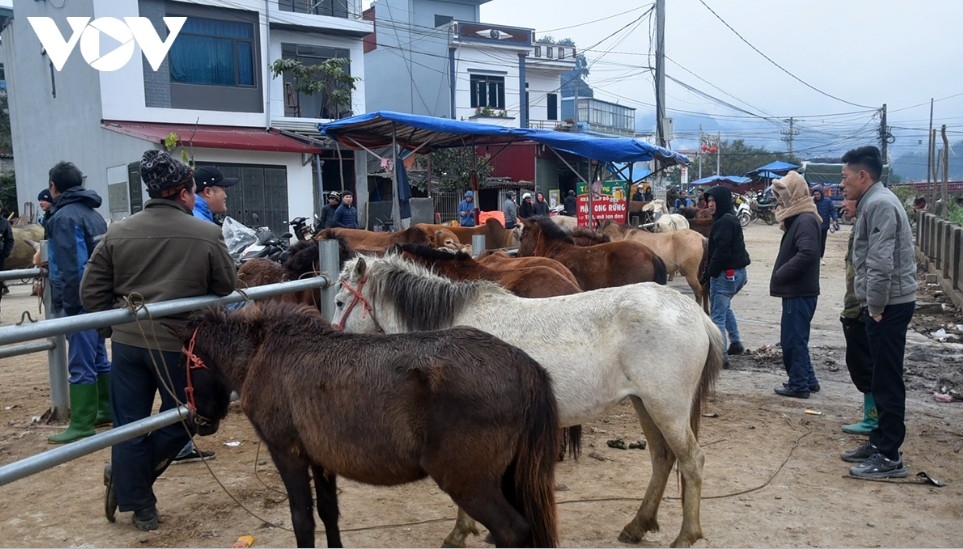
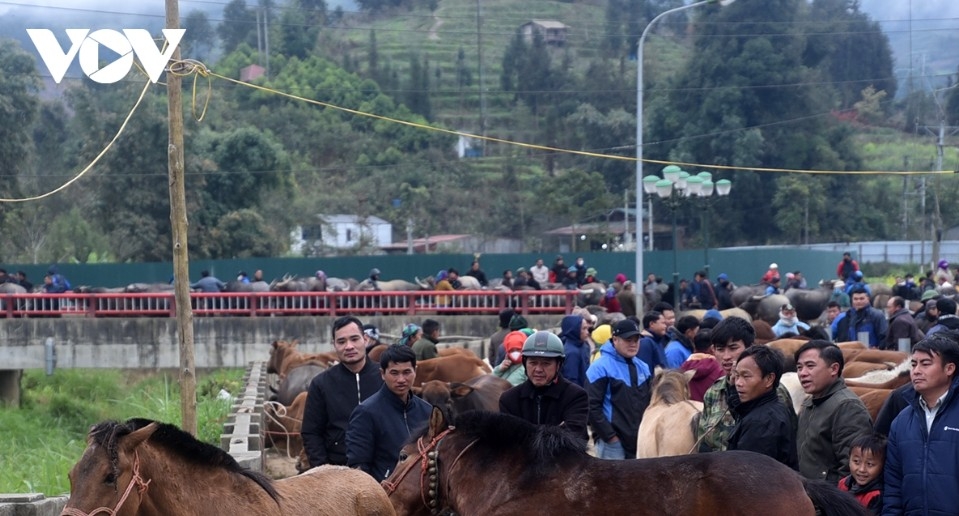
Buyers and sellers gather around, with the sounds of bargaining mingling with horses’ neighs.
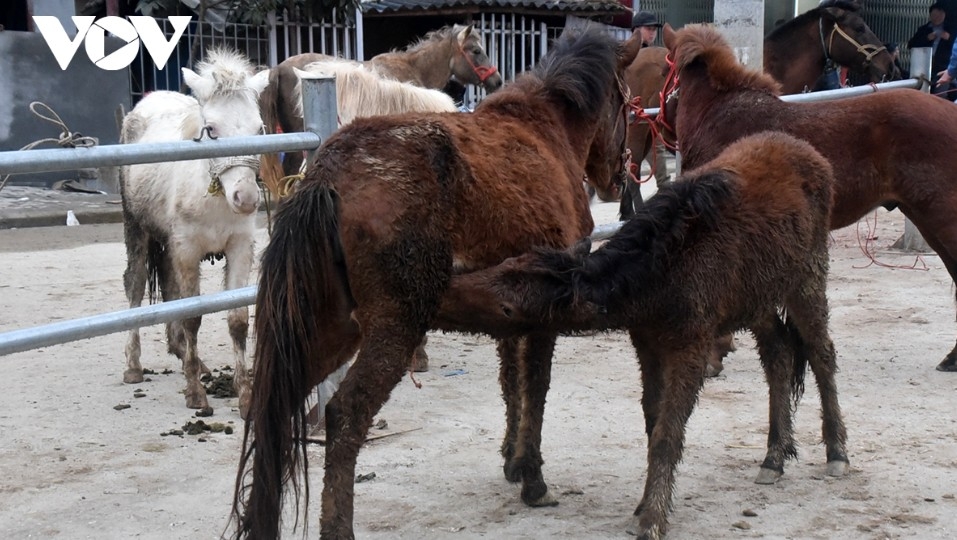
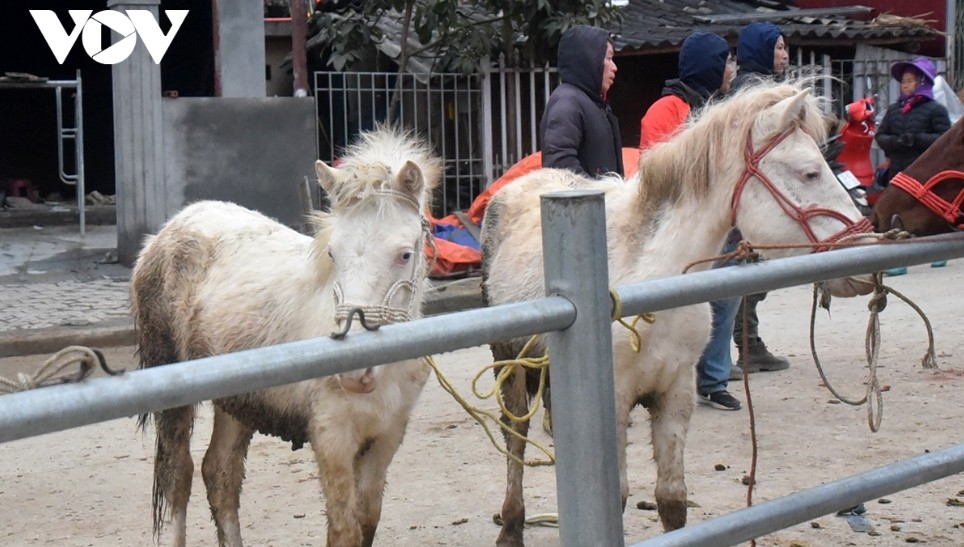
Mud-splattered horses arrive at the market by truck after long journeys.
White horses often command higher prices, as they are believed to be used to produce horse gelatin valued for health benefits.
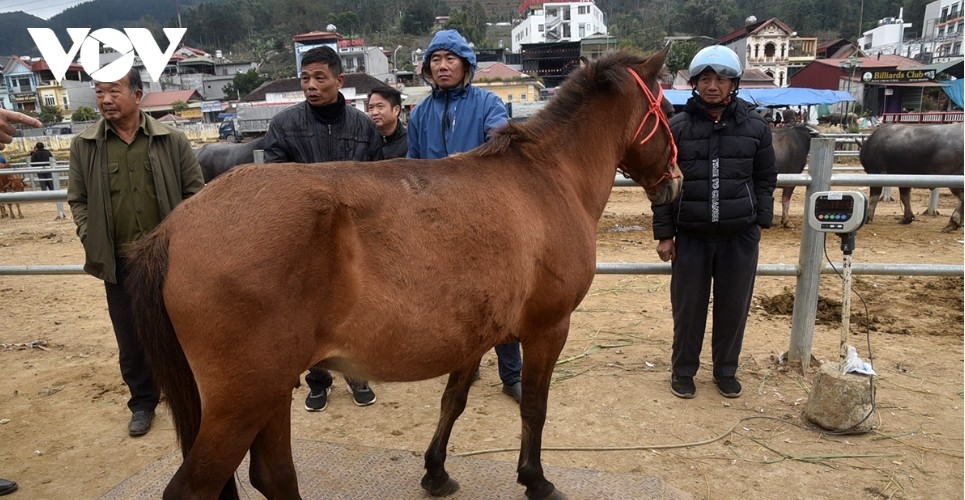
A horse is placed on a scale for weighing.
According to Vang Van Che, who has been involved in the horse market for many years, selecting horses for meat requires more than judging their build; examining the teeth is essential to estimate age. Horses that have replaced one tooth, at around four years old, are considered to be at the ideal age for meat quality. Signs of health or illness are also visible in small details, with nasal discharge an easy indicator. When giving horses water, silence is important, as a sudden loud noise can startle them, cause choking and lead to illness.
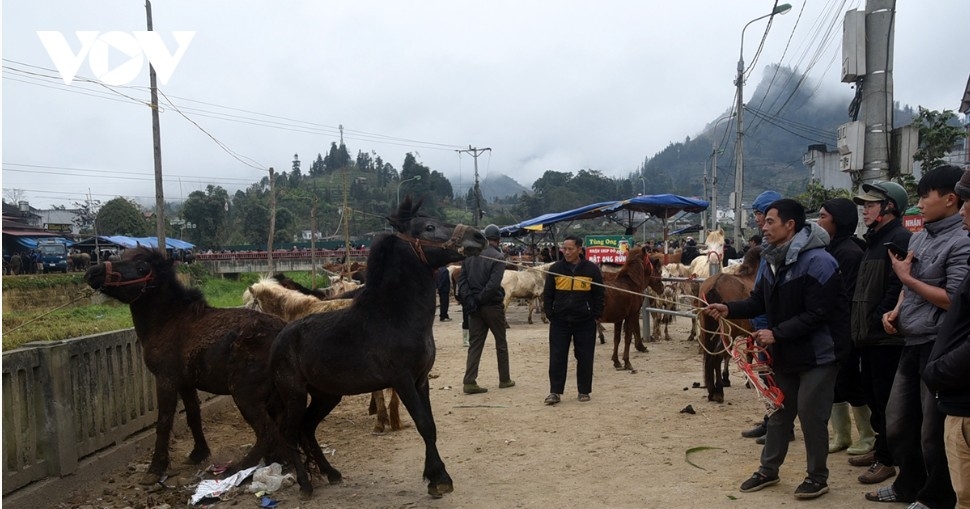
Horses are highly sensitive and easily frightened by sudden loud noises. This horse, visiting the market for the first time, panics and strains against its reins.
After much effort, the owner succeeds in “calming” the horse.
Most horses remain calm amid the noisy bargaining, accustomed to the sounds.
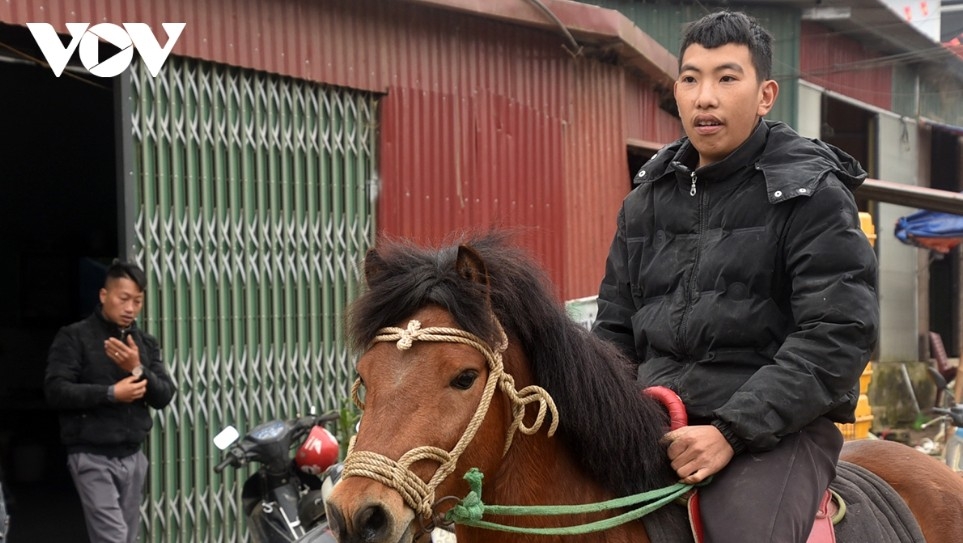
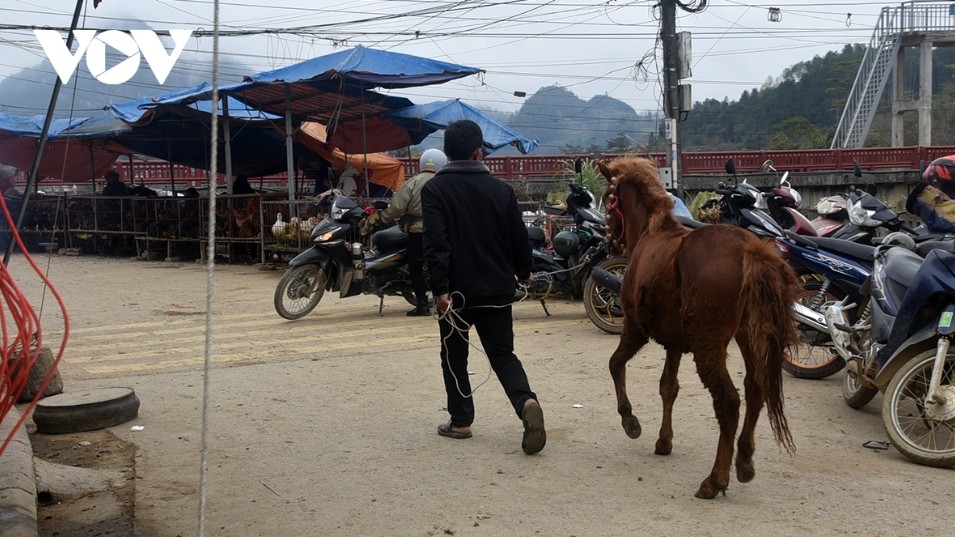
A young man rides a horse to the market.
Traders and sellers gather around a horse as bargaining voices rise while the market grows busier.
For many highland families, each horse is a valuable asset. The seller’s hesitant gaze reflects the weight of deciding whether to part with such a possession.
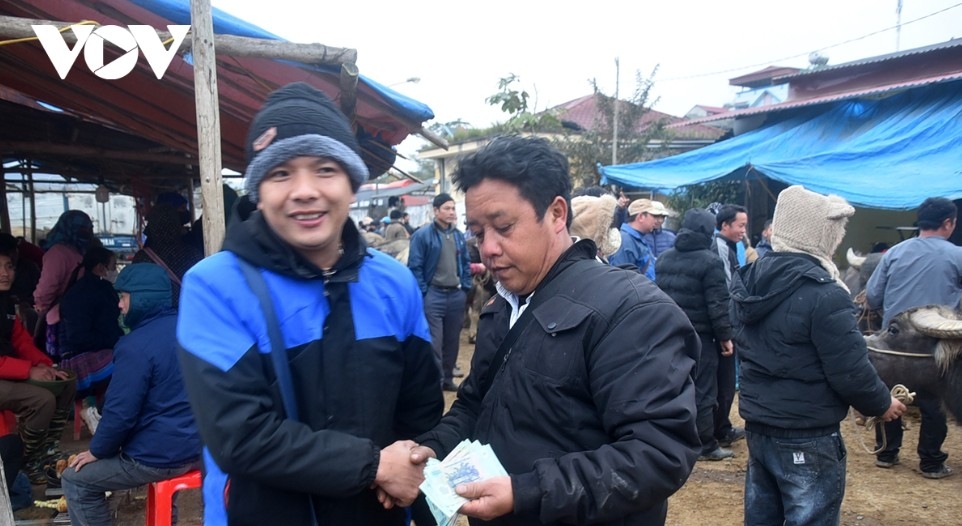
After a handshake seals the price, a deal is done.
Toward noon, the market begins to thin out as people lead their horses away, returning along familiar paths to await the next market day.
On my first day in the northern mountainous province of Lao Cai, I was told by Yang A Lao, a Mong ethnic man that if I did not go to the horse market in Bac Ha district, it meant that I had not yet properly visited the region.