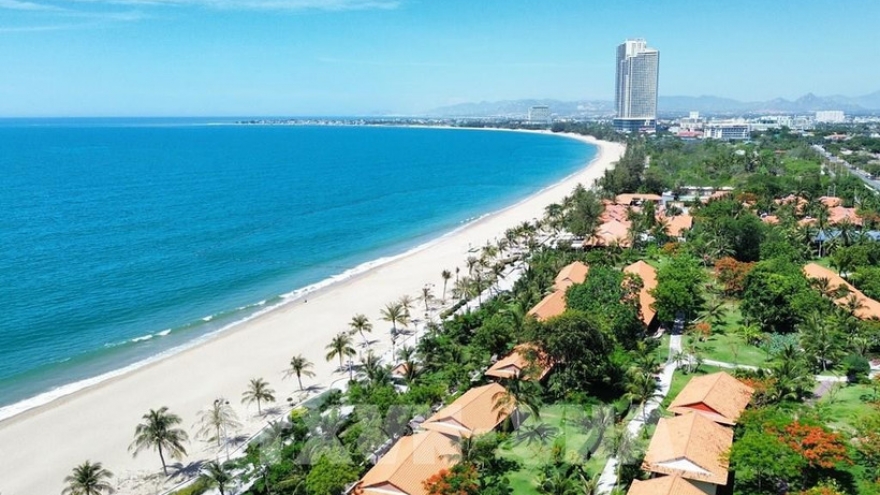
Vietnam’s hospitality market continues to show strong potential: Report

The clear recovery of the tourism industry, the deceleration of future accommodation supply, and increasing demand for high-end products are helping to bolster investor confidence in the hotel sector, according to the Vietnam Hotel Investment Guide 2025.
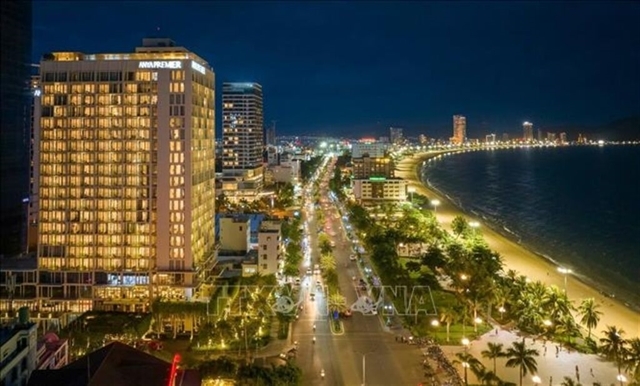
The in-depth publication is built upon Savills Hotels’ proprietary market data combined with legal and investment analysis from international law firm Watson Farley & Williams, providing a comprehensive overview of the local resort market and hotel investment landscape amidst a strong recovery of the tourism industry.
The report highlights the continued expansion of tourism demand, with the domestic market maintaining impressive growth and the international market recovering strongly, particularly from Asian source markets such as the Republic of Korea, China, India, and Taiwan (China).
The Republic of Korea and China currently account for 47% of total international arrivals to Vietnam, while the Indian market has surged by 40% year-on-year, becoming one of the fastest-growing source markets.
As of the end of the third quarter of this year, Vietnam recorded more than 192,000 hotel rooms in the mid-range to luxury segment, representing an average growth of 10.9% per year over the past decade.
Around 60% of hotel rooms are concentrated in coastal destinations, reflecting the robust development of the resort model.
Key markets such as Da Nang, Nha Trang, and Phu Quoc have all recorded significant performance improvements. Many resorts in Da Nang and Nha Trang achieved occupancy levels of over 70-75%, while Phu Quoc recorded impressive growth of 10-15% compared to the previous year.
Domestic developers continue to dominate, holding 90% of total existing supply. Notably, 68% of hotels are owner-operated, opening up significant opportunities for upgrading, repositioning, or collaborating with international brands.
The number of international brands in Vietnam is expected to increase from 90 to over 130 in the next three years.
Beyond transactions involving operating assets, the search for coastal land banks and assets with repositioning potential continues to attract interest from domestic and foreign investors. The upscale-luxury and branded residences segments are the product groups with the strongest investment demand.
Major infrastructure projects such as Long Thành International Airport, the expansion of Noi Bai International Airport, Gia Binh Airport, and the North-South Expressway system are contributing to enhanced inter-regional connectivity.
These developments create a solid foundation for tourism growth and reinforce the long-term prospects of the hotel market.
Mauro Gasparotti, senior director and head of SE Asia at Savills Hotels, said, “Vietnam is gradually affirming its position as one of the preferred destinations for Asian travelers. Local tourism and accommodation products are becoming increasingly diverse, with the appearance of many new hotel brands across various segments catering to different market demographics.”
“With a stronger demand base and increasing readiness for more diverse products, particularly in HCM City and Hanoi, it is also becoming more attractive to foreign investors seeking opportunistic investments,” he shared.
Lada Shelkovnikova, Partner of Hotels & Hospitality group at Watson Farley & Williams, said, “Vietnam’s hospitality market continues to show exceptional potential, driven by strong domestic tourism, a fast-growing middle class and the Government’s increasing commitment to expanding tourism infrastructure. These fundamentals create compelling opportunities for investors seeking scalable, resilient growth.”
In 2024, Vietnam welcomed 17.6 million international visitors and continued this momentum in the first ten months of 2025 with 17.2 million arrivals. The country’s target is 25 million by year-end.
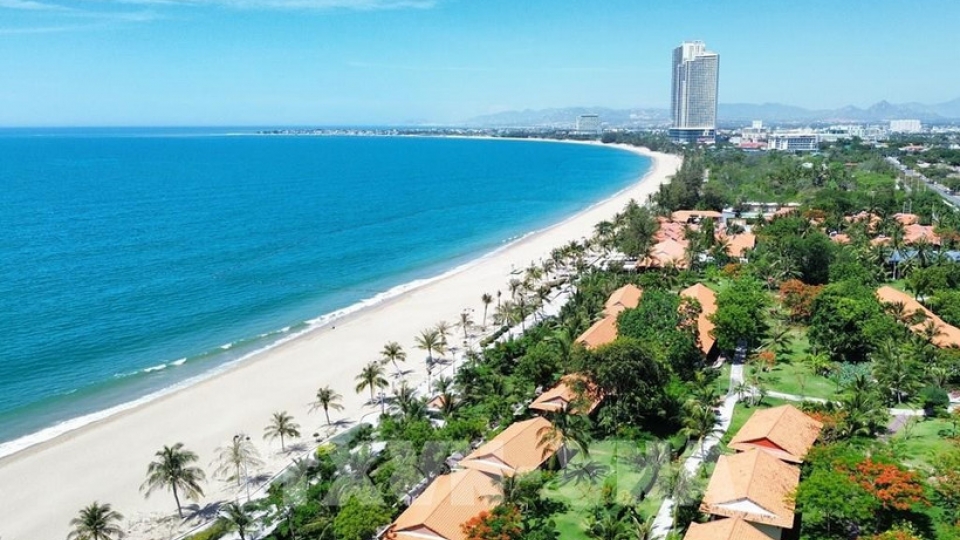
Vietnam’s hospitality market experiencing strong growth
The strong recovery of the international tourist market is providing significant momentum for the revival of Vietnam’s hospitality industry.