Vietnamese industrial enterprises move toward major projects

VOV.VN - Shifts in global supply chains and the implementation of large-scale infrastructure projects at home are creating new opportunities for Vietnamese industrial enterprises to engage in key national projects.
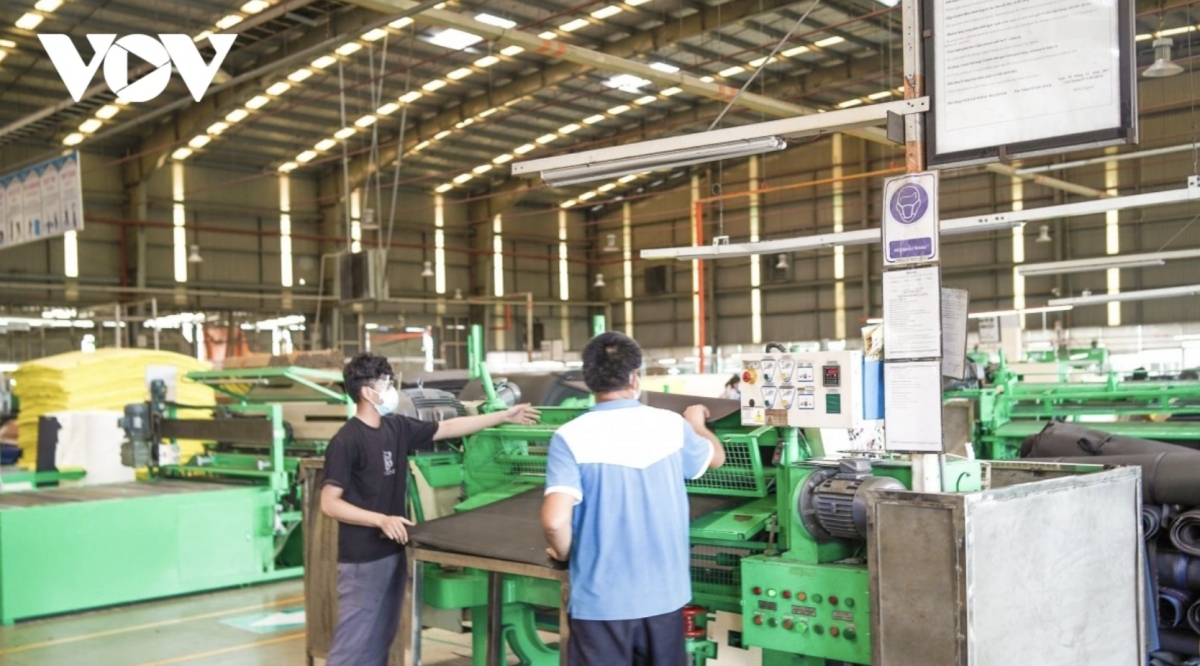
These developments are also enabling domestic firms to receive technology transfers, build technological capabilities and move deeper into global supply chains.
As major corporations increasingly expand manufacturing and processing activities in Vietnam, a host of infrastructure projects being carried out nationwide is creating demand for domestic industrial enterprises. In parallel, government policies on high-tech investment, green energy and the circular economy are helping create more favourable conditions for local firms to strengthen their capabilities and increase their participation in global supply networks.
Opportunities to build on domestic strengths
The North–South high-speed railway has been identified as one of the country’s strategic transport infrastructure projects, with expectations of contributing to socio-economic development.
According to Nguyen Van, Vice Chairman of the Hanoi Supporting Industry Association (HANSIBA, the project offers major opportunities for supporting industries, but requires appropriate mechanisms and policies to allow effective participation by domestic firms.
Nguyen Van said the project would modernise Vietnam’s transport system while creating opportunities for companies in mechanical engineering, manufacturing, automation, steel production, construction materials and components.
In particular, supporting industry firms could receive technology transfers and gradually build expertise in railway technologies through cooperation with international partners from countries with experience in high-speed rail development, including Japan, France, Germany, the Republic of Korea (RoK) and China.
However, he noted that participation in large-scale domestic projects also presents huge challenges for Vietnamese firms. These include financial constraints, technological limitations and shortages of high-quality human resources, which have yet to fully meet the requirements of large international contractors and corporations.
For this reason, HANSIBA and the broader business community have proposed that the government and relevant ministries hold direct working sessions with industry associations. These sessions would help identify domestic firms’ manufacturing and supply capacities, providing a basis for designing specific mechanisms on finance, capital access and technology.
The development of clear criteria and procurement arrangements is expected to enable Vietnamese firms to invest in projects and supply specific products and equipment.
Nguyen Van also advised enterprises to closely follow project-related information released by competent agencies and the media, while continuing to upgrade production capabilities and expand cooperation with international partners from countries that have developed and operated high-speed rail systems.
Capacity and financing constraints remain
Market opportunities for domestic mechanical engineering firms remain substantial. However, according to the Vietnam Association of Mechanical Industry (VAMI), many Vietnamese companies still lack the capacity to join upstream supply chains serving foreign direct investment (FDI) enterprises, particularly large multinational groups, due to limited competitiveness.
A VAMI representative said many large domestic projects and procurement packages involving machinery and equipment continue to rely on foreign suppliers. Mechanical engineering, which provides machinery and equipment for sectors such as chemicals, transport, oil and gas, and agriculture, requires large capital investment and long payback periods. While the long-term benefits are substantial, access to capital remains a major challenge for domestic mechanical engineering firms.
Adapting early to meet market demand
On December 12, 2025, the government issued Decree No. 319 on special mechanisms for science and technology in national priority railway projects.
Mai Van Ha, Director of Hoa Phat Dung Quat Special Rail and Steel JSC, said the decree creates an important opportunity to develop a railway industry led by Vietnamese enterprises and to enable domestic firms to become involved in major national projects.
Mai Van Ha said that in May 2025, Hoa Phat Group signed a contract with Germany’s SMS Group for the supply of technology and production lines for rail steel and structural steel. Under the agreement, SMS Group will design, supply and install production lines for rail and special steel products.
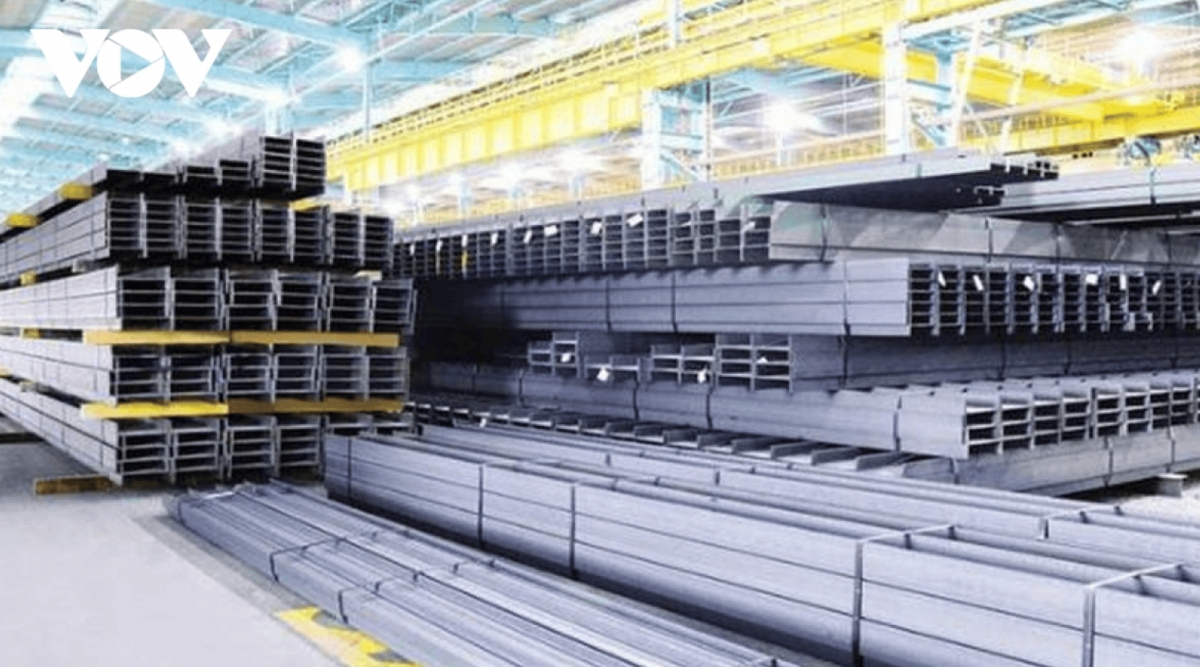
Hoa Phat has committed to implementing the project on schedule and is prepared in terms of technology and human resources to master the production lines once the plant becomes operational, while supplying products that meet quality standards at competitive prices.
To meet market demand and adapt to an industrial self-reliance orientation, Deputy Minister of Industry and Trade Phan Thi Thang stated that in 2026 and the following years, the Ministry of Industry and Trade will continue restructuring the industrial sector.
Priority will be given to developing and mastering new technologies, expanding technology transfer and application, and improving the quality of human resources to support strategic industries, foundational industries, emerging sectors and supporting industries.
According to the Ministry of Industry and Trade, industrial production recorded positive growth in November and during the 11- month period.
Manufacturing and processing, public investment and exports of processed industrial goods were the main contributors to growth, with exports continuing to post double-digit growth. Overall, the industrial production index over the past 11 months is estimated to have seen a year on year increase of 9%.
Foreign M&A boosts confidence in industrial, energy sectors
Foreign investments in Vietnam's industrial and energy sectors are on the rise, signalling strong interest from international players and presenting new opportunities for growth.