Vietnam trade counsellor in Israel warns escalating Middle East conflict weighing

VOV.VN - Escalating conflict involving Israel, the US and Iran is weighing on the trade and investment environment in Israel and across the Middle East while placing additional pressure on global supply chains, Vietnam’s Trade Counsellor in Israel Le Thai Hoa said.
According to Hoa, the widening conflict has created political and security instability in Israel and several countries in the region. Some countries have closed their airspace and declared states of emergency, while many airlines have suspended flights to and from Israel. Seaports continue operating but handling capacity has been significantly reduced.
He noted that alongside direct exchanges of fire between Iran and Israel, groups such as Hezbollah in Lebanon and the Houthis in Yemen have stepped up activities targeting Israel. The Houthi movement in particular has intensified control over vessels passing through approaches to the Red Sea, a key maritime route linking Asia and Europe. After days of sustained fighting, there are still no signs of de-escalation.
Assessing the immediate impact, Hoa said the conflict is affecting trade between Vietnam and Israel, as well as between Vietnam and other Middle Eastern markets, particularly in the short term. Rising risk concerns have made many businesses more cautious in investment decisions and in signing or executing contracts.
Over the medium and long term, he warned of possible disruptions or adjustments to shipping routes and transit flights connecting Asia and Europe. Oil prices could also rise if Iran blocks the Strait of Hormuz, a passage that handles roughly 20% of global oil and gas shipments.
Shipping costs, airfares and insurance premiums may increase, raising input costs for production and adding inflationary pressure not only in the Middle East but also in many economies worldwide.
In this context, Hoa advised Vietnamese enterprises to closely monitor developments in the conflict and maintain regular contact with shipping lines and partners, particularly for cargo currently in transit, in order to deal with potential problems in a timely manner.
Businesses should also diversify markets, broaden partner networks and supply sources, and strengthen risk prevention measures, including cargo insurance, to safeguard their legitimate interests, he added.
For its part, the Vietnam Trade Office in Israel is maintaining close coordination with local authorities and providing timely support to help businesses address difficulties.
The office also regularly updates market information and issues early alerts so companies can respond promptly. Firms encountering issues related to the Israeli market are encouraged to contact the trade office directly for specific guidance.
So far, no concrete losses have been recorded for import-export shipments between companies of the two countries during the current conflict, Hoa said, calling this a positive sign despite continuing uncertainty. However, he cautioned that hostilities in the short term will still weigh on sentiment and trading activities.
On the other hand, disruptions to some external supply sources mean Israel continues to maintain strong import demand to support domestic production and consumption. Each year Israel imports about US$100 billion worth of goods, including roughly US$25 billion in food and consumer goods. The size of the market and the rapid turnover of goods are seen as offering major opportunities for Vietnamese companies.
Hoa emphasised that alongside managing current contracts, Vietnamese firms should maintain close relations with key importers and major partners in Israel to prepare for the post-conflict period. Preserving and strengthening business relationships during difficult times will create favourable conditions to tap the market’s potential once stability returns.
Firms, industries grapple with shipping disruptions amid Middle East conflict
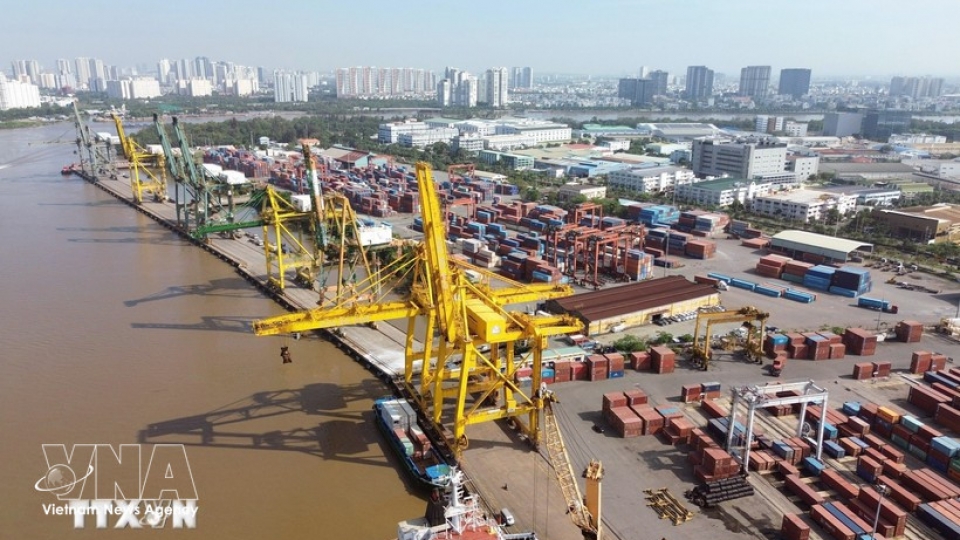
The escalating conflict in the Middle East is exerting significant pressure on the global economy, disrupting maritime transport and weighing on international trade flows.
Vietnamese carriers told to avoid flying over high-risk areas in Middle East
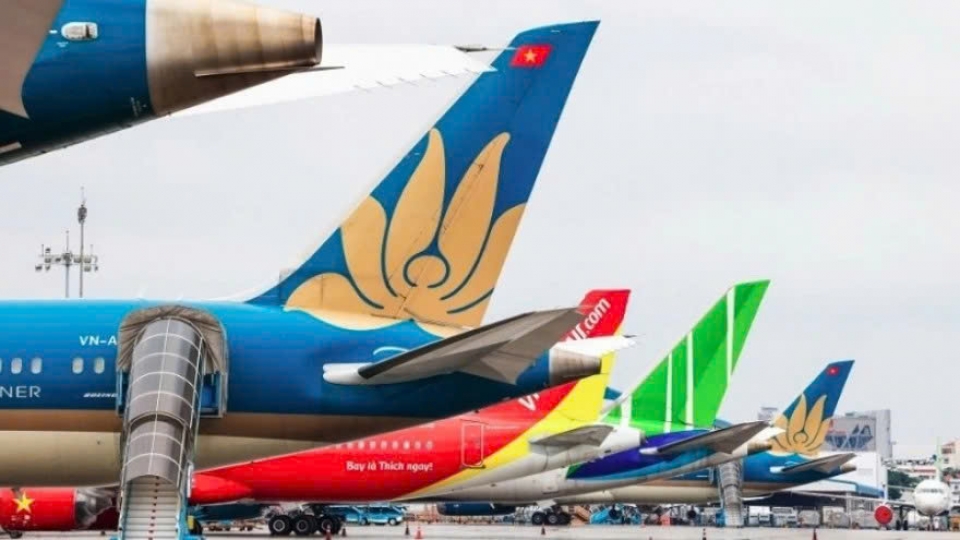
Vietnamese airlines have been instructed not to operate flights through areas and airspace deemed to pose potential safety risks in the Middle East, amid ongoing military tensions in the region.