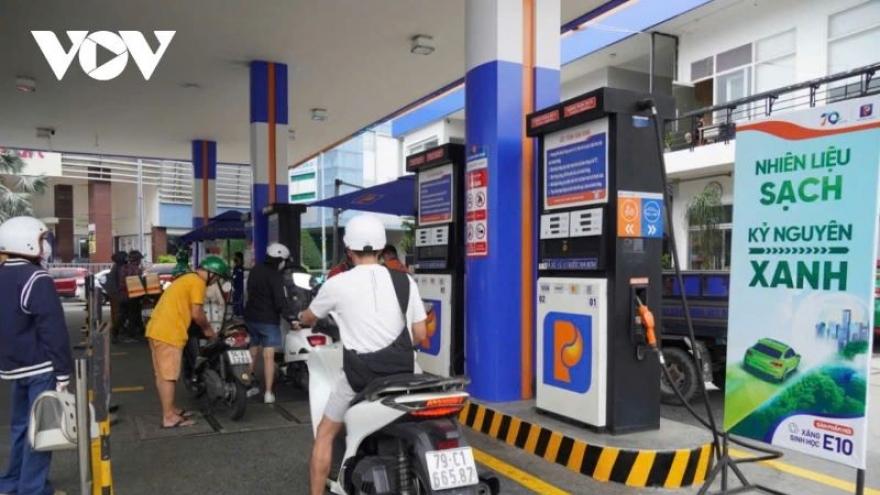
Vietnam races to restart idle ethanol plants to meet surging demand

The Ministry of Industry and Trade convened a conference on March 26 to hammer out the details of the Prime Minister’s directive accelerating the switch to E10 RON95 biofuel, with the goal of reviving idle ethanol plants and ramping up domestic output to support the nationwide phase-out of mineral gasoline.
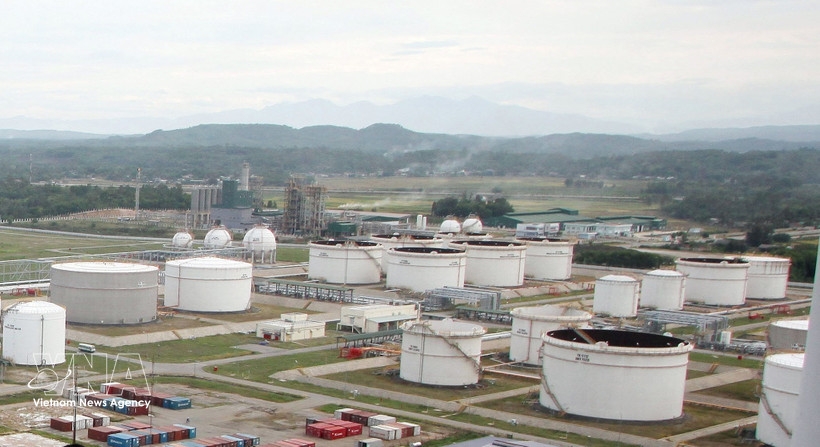
Do Van Tuan, Chairman of the Vietnam Biofuels Association, said that monthly ethanol demand for the E10 blend is projected at 92,000–100,000 cu.m. The country’s six ethanol plants have a combined design capacity of roughly 41,000 cu. m per month, but only three are now running, churning out about 25,000 cu.m, or just 25–27% of demand. Even if every plant hits full tilt, local supply would cover only around 41% of national needs.
To bridge the gap, Vietnam will have to squeeze maximum output from domestic facilities while aggressively importing the rest, Tuan said.
Imports themselves aren’t the biggest headache. Supplies will flow mainly from the US and Brazil on routes that sidestep the Middle East, and ethanol prices have historically been less volatile than gasoline. The real risks are timing and competition, he warned. As many countries in the region, such as India, the Philippines, Thailand and China, ramp up their use of biofuels, pressure on key transshipment hubs such as the Republic of Korea and Singapore is set to increase. Without swift, coordinated procurement, local firms risk outright shortages or being forced to scramble in nearby markets at higher prices, he added.
Producers at the conference signaled that several plants could expand or restart operations if financing and offtake improve.
A representative from the Dong Nai ethanol plant said it is running steadily at about 250 cu.m a day, or roughly 7,000 cu.m per month, close to its design limit, and could push output to 130% of capacity thanks to flexible technology that handles multiple feedstock, including corn, cassava chips and broken rice.
Meanwhile, the Dung Quat ethanol plant is producing around 6,000 cu.m a month and could scale to about 9,000 cu.m under favourable conditions. But any ramp-up hinges on firm purchase commitments, not just technical potential, as most of its output now goes to the Binh Son Refining and Petrochemical JSC without guaranteed volumes. Clearer consumption plans from major fuel distributors are essential for active production planning.
Producers also urged authorities, particularly the central bank, to design viable financial support packages to resurrect idle capacity, starting with the Binh Phuoc plant, which has a capacity of 6,000 cu.m per month. Otherwise, billions in sunk investment risk turning into stranded assets.
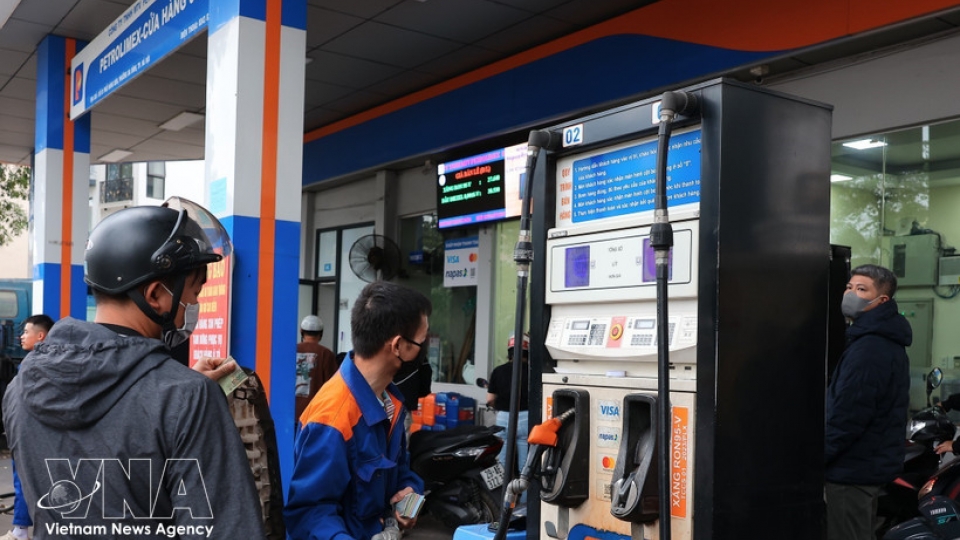
Energy giants work hard to roll out E10 RON95 sale ahead of schedule
Holding nearly 70% of Vietnam’s fuel market, the Vietnam National Petroleum Group (Petrolimex) and the Petrovietnam Oil Corporation (PVOIL), have proactively taken measures to enable the sale of E10 RON95 biofuel nationwide ahead of schedule, easing pressure on gasoline imports, strengthening national energy security.