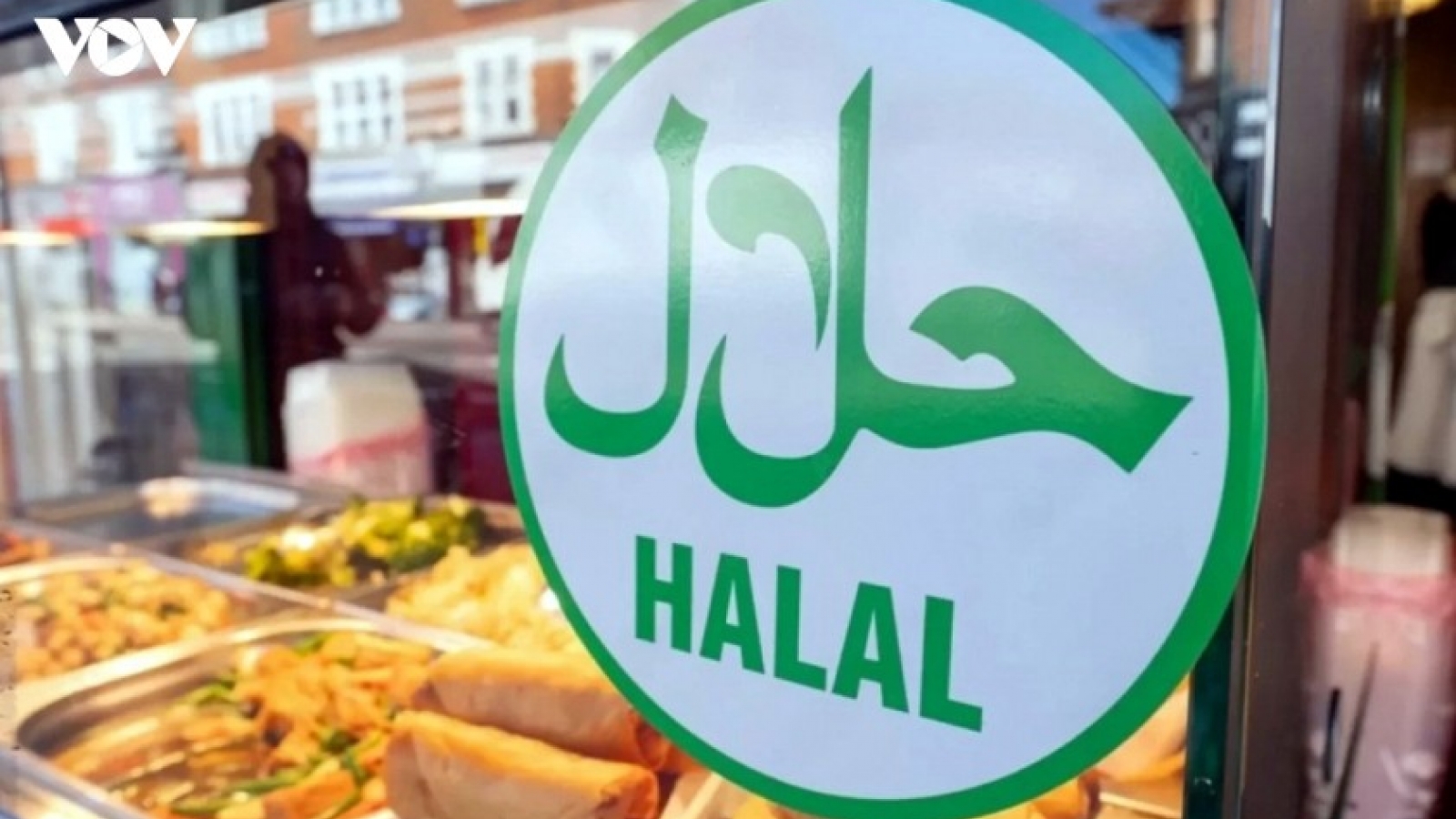
Vietnam-Malaysia trade heads toward US$20 billion mark

VOV.VN - As bilateral trade between Vietnam and Malaysia aims for the US$20 billion mark, import-export turnover during the 2015-2025 period recorded impressive growth, more than doubling from US$7.4 billion to US$16.33 billion.
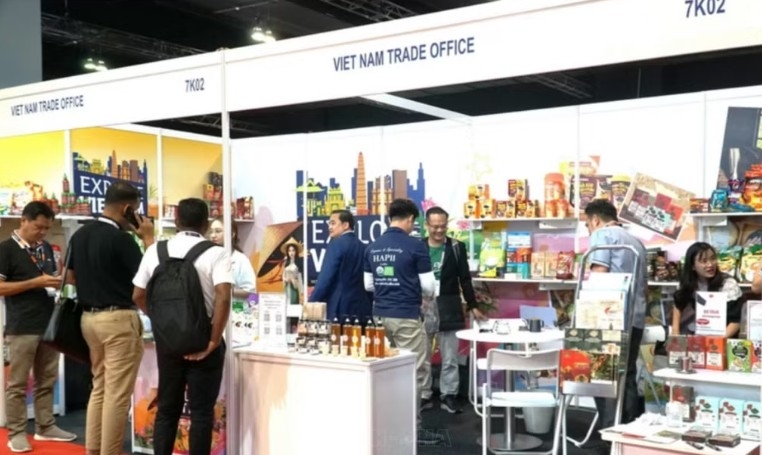
According to Phung Van Thanh, Commercial Counsellor of Vietnam in Malaysia, Malaysia continues to be one of Vietnam's top important trade partners in the ASEAN region as well as globally. In the first half of 2026 alone, total two-way import-export turnover reached US$10.8 billion, with Vietnam's exports at US$3.4 billion and imports at US$7.4 billion. With this growth momentum, total bilateral trade turnover in 2026 is forecast to exceed the US$18 billion mark for the first time.
Although average bilateral trade growth hit 8.52% per year during the 2015-2025 period, Vietnam's exports to this market remained slow, achieving an average of only 3.89% annually. Specifically, export value increased from US$3.58 billion in 2015 to US$5.33 billion in 2025. Current major export items are mainly machinery, electrical equipment, mechanics, and raw materials for production.
Vietnam does not yet have an export item reaching US$1 billion in value to the neighboring country, with only two items exceeding the US$500 million threshold. Conversely, imports from here expanded rapidly at an average rate of 11.48% per year, rising from US$3.95 billion in 2015 to US$11 billion in 2025, concentrated in machinery, equipment, petroleum, computers, electronic products, and components.
This trend caused Vietnam's trade deficit with its southern partner to continually widen, moving from a deficit of US$367 million in 2015 to US$5.67 billion in 2025, and logging a deficit of nearly US$4 billion in just the first half of 2026.
Analyzing the reasons behind export growth lagging behind potential, Commercial Counsellor Phung Van Thanh pointed out that barriers related to Halal standards pose one of the biggest challenges.
Currently, most of Vietnam's high-value export products shipped to Malaysia belong to the manufacturing sector, which does not require Halal certification, while food and beverage items have yet to meet strict criteria.
With a population of about 34.2 million people, 60.4% of whom are Muslim, the country represents a very large market for Halal food consumption, ranking among the top 5 Halal food importers in the Organisation of Islamic Cooperation (OIC) with import value exceeding US$20 billion per year.
The scale of its domestic Halal food market is estimated at US$50 billion. Notably, the nation's Halal Industry Master Plan (HIMP) sets a target to bring domestic Halal consumption to US$113 billion by 2030 and turn the country into a global Islamic trade center, creating an effective gateway for Vietnamese Halal products to reach the worldwide Islamic market.
Vietnam possesses major natural advantages for developing the Halal industry thanks to its position in the top 10 globally for exporting key agricultural products such as rice, coffee, cashew nuts, pepper, and medicinal herbs.
Notably, more than 80% of Vietnam's pure plant-based agricultural products inherently meet basic Halal standards as they contain no alcohol or prohibited derivatives. Vietnamese enterprises are also increasingly proactive in complying with Halal conditions. Developing products according to Halal standards is identified as a core direction to help remove export bottlenecks, thereby helping bilateral trade soon fulfill the US$20 billion target and head toward the US$25 billion mark per year.
However, according to Phung Van Thanh, Vietnamese enterprises still face difficulties in accessing and securing Halal certification due to limited experience, scarce in-depth consulting services, and differing certification requirements across Islamic markets.
In addition, they lacks a large number of Halal certification bodies widely recognized worldwide, forcing enterprises to depend on foreign organizations with complex procedures and high costs.
For example, the Department of Islamic Development Malaysia (JAKIM) applies a very strict inspection process. To obtain the Halal label, enterprises must complete documentation, undergo direct inspections of production facilities and supply chains, assign dedicated officers to oversee Halal compliance, and train staff properly. Furthermore, foreign enterprises must also cover all travel and accommodation expenses for JAKIM inspection delegations, creating a major financial burden, Thanh added.
Vietnam, Malaysia see potential for smart agriculture cooperation
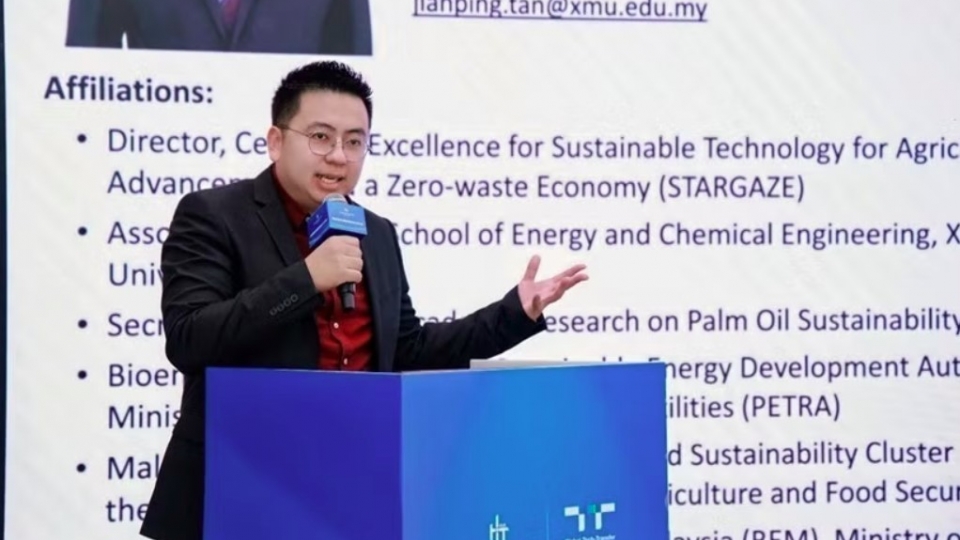
Malaysia is accelerating the transformation of its agricultural sector from traditional, labour-intensive farming towards high-tech agriculture under its National Agrofood Policy 2.0 (NAP 2.0), creating new opportunities for strategic cooperation with Vietnam in agricultural technology.
Malaysia highlights potential for Vietnam-Malaysia Halal supply chain cooperation
VOV.VN - Malaysia highly appreciates Vietnam’s potential to integrate into the global Halal supply chain and pledges to enhance trade cooperation and technical support to help Vietnamese businesses meet strict international standards.