


Vietnam-Israel trade to hit US$4.4bln in 2026 on VIFTA momentum

VOV.VN - Two years after the Vietnam-Israel Free Trade Agreement (VIFTA) took effect on November 17, 2024, bilateral trade is accelerating rapidly, with total turnover expected to reach US$4.4 billion in 2026.
According to the Ministry of Industry and Trade, two-way trade rose from US$3.25 billion in 2024 to US$3.63 billion in 2025. In the January-October period, bilateral trade stood at US$3.5 billion and is estimated to hit around US$4.4 billion for the full year, representing a year-on-year increase of over 21%
Vietnamese exports to Israel showed substantial improvement, increasing from US$795 million in 2024 to US$865 million in 2025. During the reviewed period, export value surpassed US$1 billion and is forecast to reach approximately US$1.3 billion by year-end, up 50.3% from the previous year.
Vietnamese Trade Counselor to Israel Le Thai Hoa notes that VIFTA’s implementation has created a favorable framework enabling businesses to leverage rules of origin, overcome technical barriers, and boost exports. Phased tariff reductions, along with Israel's tariff eliminations and preferential quotas, have enhanced the competitiveness of Vietnamese products and improved their market penetration in Israel.
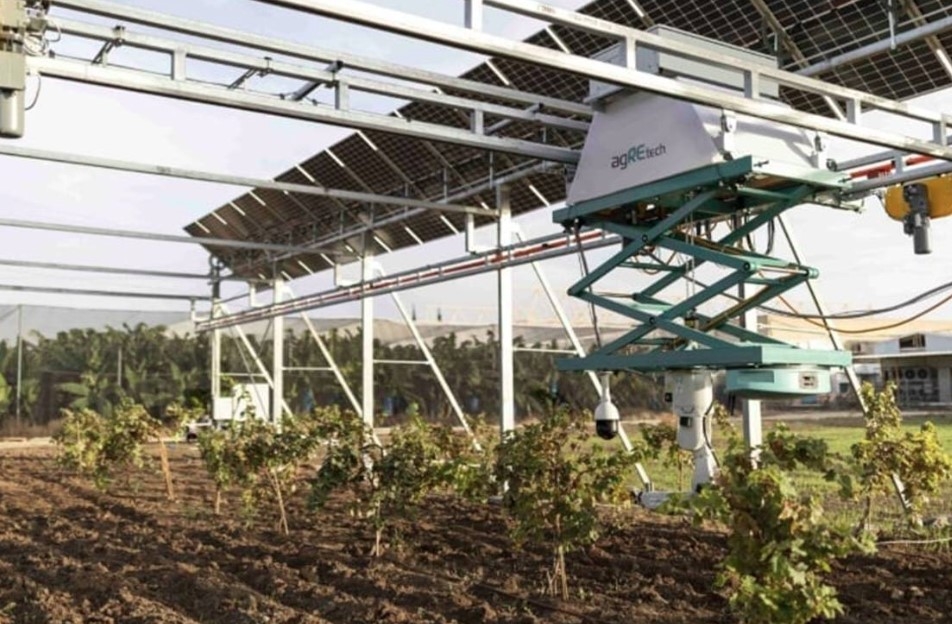
Apart from trade promotion, both sides hold strong advantages for cooperation in technology, investment, and production in areas where Vietnam has high demand and Israel possesses strength, including high-tech agriculture, water resource management, digital transformation, and innovation. Israeli enterprises can assist Vietnam in elevating the technological content of industrial production and integrating deeper into global supply chains.
Chen Peretz, Commercial Counselor and Head of the Israeli Economic and Trade Mission to Vietnam, states that with the advantages of the bilateral FTA, the business communities of both countries should bolster deeper, more long-term, and substantive cooperation.
Israeli firms can utilize Vietnam’s manufacturing advantages as a gateway to regional and global markets. Currently, several Israeli companies are employing Vietnamese IT teams for product development or choosing to develop products based on Vietnam's skilled labor force and production capacity.
Assoc. Prof. Dr. Ngo Tri Long, an economic expert, says that VIFTA’s primary value extends beyond market expansion and tariff cuts to creating conditions for Vietnam to access, absorb, master, and gradually develop technology. While Israel excels in technology, such as water-saving solutions, Vietnam offers a large market, a skilled workforce, strong industrial and agricultural capacity, and high integration into global supply chains.
As VIFTA tariff preferences deepen, Le Thai Hoa advises Vietnamese businesses to maximize these incentives to expand key exports, particularly agricultural products, processed seafood, coffee, and consumer goods.
VIFTA officially took effect on November 17, 2024, opening another door for Vietnamese goods to access the Israeli market while creating a more favorable framework for investment, services, and technology cooperation between the two economies.
Since its signing, the agreement was expected to boost trade while serving as a driving force to step up cooperation in investment, digital transformation, and technology.

Vietnam–Israel agricultural cooperation suggested to transfer to co-development
Ofer Fohrer, Head of Export and Investment Promotion of the Foreign Trade Administration at Israel’s Ministry of Economy and Industry, has shared some of his country’s agricultural development experience and made several suggestions for Vietnam–Israel agricultural cooperation during a recent interview granted to VNA.

