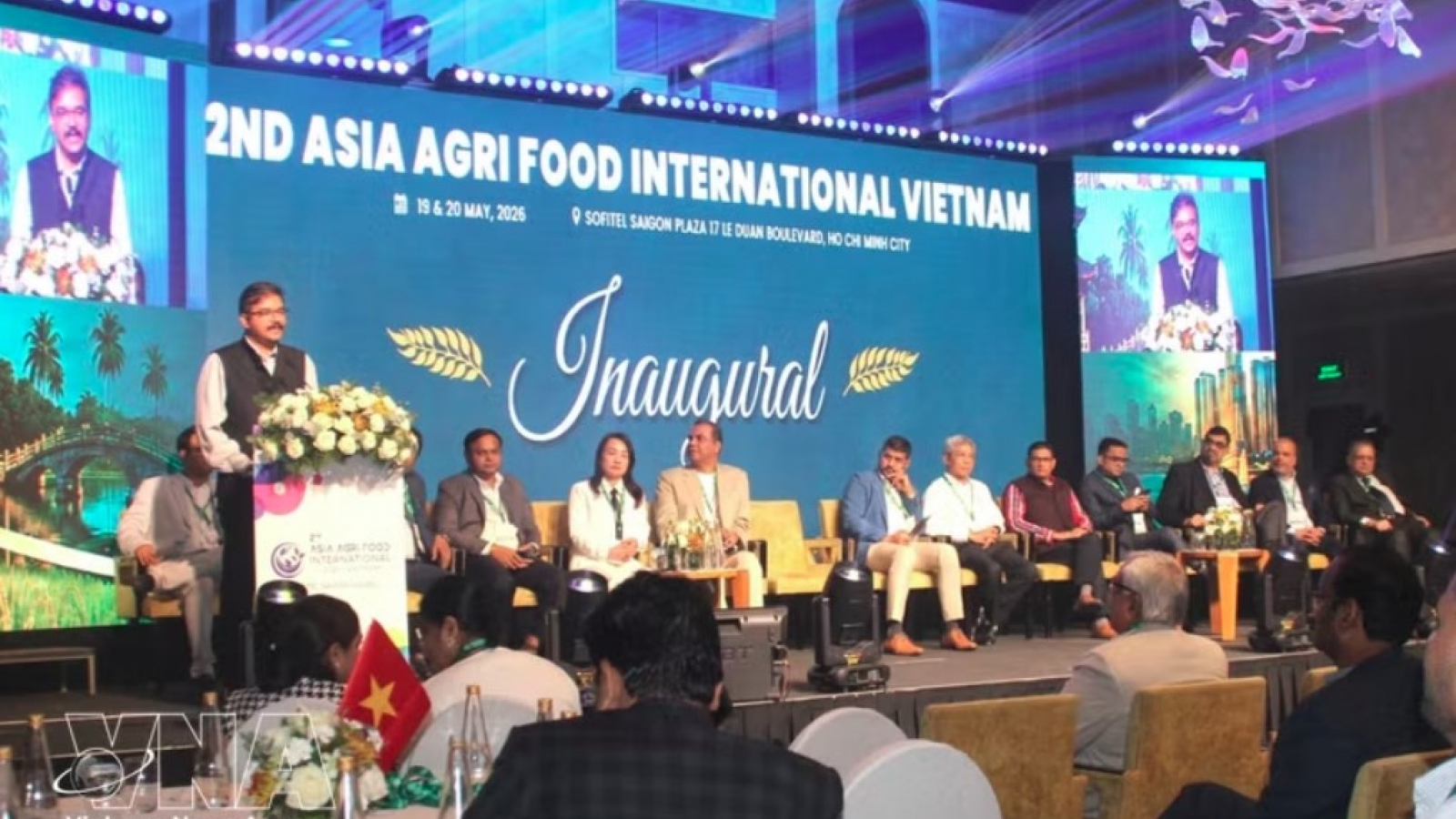
Vietnam, India look to “win-win” cooperation in seafood sector

VOV.VN - Vietnam and India are seeking to deepen “win-win” cooperation in the seafood industry through stronger trade, investment and supply chain links as global markets undergo major restructuring, delegates heard at an online forum on May 27.
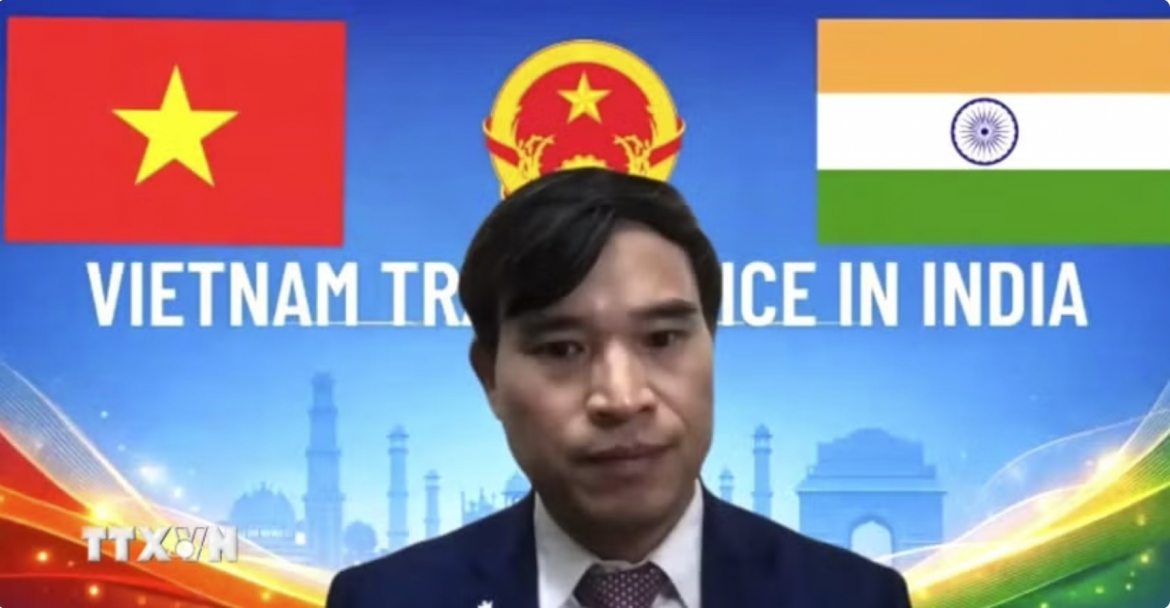
The seminar on “Vietnam-India Seafood Trade and Supply Chain Connectivity Forum 2026” was jointly organised by the Vietnam Trade Office in India, trade promotion agencies, industry associations and businesses from both countries.
Speaking at the event, Vietnamese Trade Counsellor to India Bui Trung Thuong noted that bilateral ties have continued to advance, particularly following Party General Secretary To Lam’s visit to India earlier this month and high-level talks with Indian Prime Minister Narendra Modi.
Tthe two countries elevated relations to an Enhanced Comprehensive Strategic Partnership during the visit, creating fresh impetus for economic, trade and investment cooperation.
They also reaffirmed their target of raising bilateral trade to US$25 billion by 2030, with seafood identified as a highly promising area of cooperation thanks to the complementary strengths of the two economies in raw materials, processing, technology and export markets.
India is one of the world’s fastest-growing seafood markets and a leading global producer and exporter. India’s seafood processing industry was valued at around US$12 billion in 2024 and is projected to exceed US$20 billion by 2026, driven by rising export demand, government support policies and growing investment in modern processing technology, cold-chain logistics and traceability systems.
Representing the Vietnamese side, To Thi Tuong Lan, Deputy Ssecretary-General of the Vietnam Association of Seafood Exporters and Producers (VASEP), said Vietnam’s seafood sector has maintained a solid recovery in 2026, with export turnover over the past four months surpassing US$3.6 billion.
Vietnam has strong advantages in deep processing, value-added products, a broad network of free trade agreements and the flexibility to adapt to different market segments, she added.
According to Lan, India has strengths in shrimp farming and seafood raw materials, while Vietnam has a strong edge in deep processing and value-added product development. She said the two countries could expand cooperation in raw material supply, export-oriented processing, traceability, antibiotic control, sustainability certification and digital transformation in the seafood industry.
Anil Kumar of India’s Marine Products Export Development Authority (MPEDA) said India’s seafood exports climbed 13.4% in the 2025-2026 fiscal year to US$8.45 billion, with exports to Vietnam surging 69% from US$387 million to US$656 million.
He suggested businesses from both countries move beyond bilateral trade towards joint investment and processing partnerships targeting international markets.
K.N. Raghavan, Secretary General of the Seafood Exporters Association of India (SEAI), said Vietnam and India should not view each other as competitors but instead pursue a “win-win” partnership, particularly in deep processing, traceability, combating illegal, unreported and unregulated (IUU) fishing, and developing electronic certification systems for exports to the US and the EU.
At the forum, both sides also introduced upcoming trade promotion events aimed at strengthening business connectivity, including Vietnam International Sourcing 2026, scheduled for September 3-5 in Ho Chi Minh City, and Seafood Expo Bharat 2026, set to take place in Chennai from July 1-3.
Closing the seminar, Vietnamese Trade Counsellor to India Bui Trung Thuong reiterated that the Vietnam Trade Office in India will continue serving as a bridge for businesses from both countries by supporting partner connections, promoting investment, facilitating technology transfer and expanding cooperation in seafood, food processing, cold-chain logistics and digital transformation.
He stressed that Vietnam and India have highly complementary strengths in the seafood supply chain and expressed confidence that upcoming forums, trade fairs and specialised exhibitions will add fresh impeus to bilateral trade and investment cooperation.
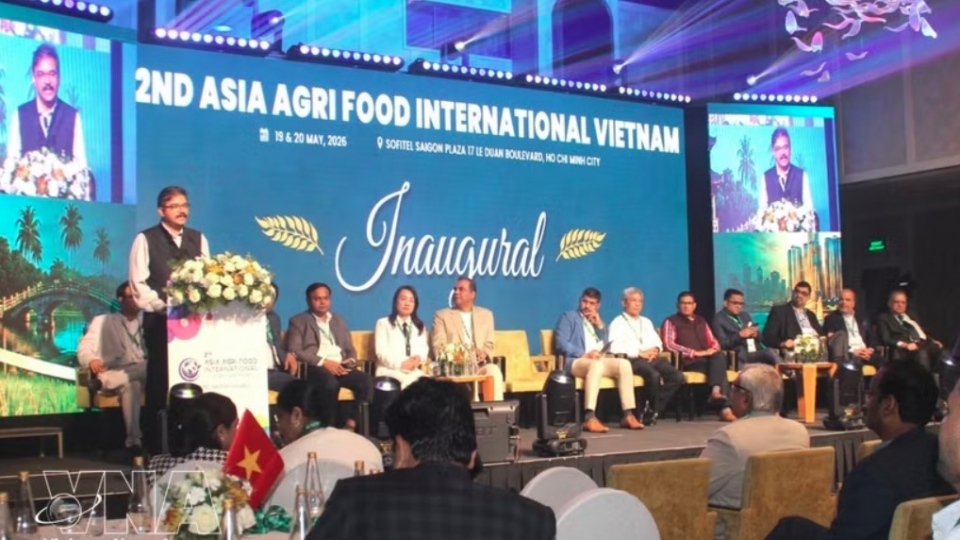
India pushes stronger agri-food cooperation with Vietnam
The second Asia Agri Food International 2026, taking place in Ho Chi Minh City on May 19–20, has brought together representatives of businesses, policymakers and experts to discuss ways to deepen India–Vietnam cooperation in agriculture and food, with a focus on sustainable supply chains, and market connectivity.
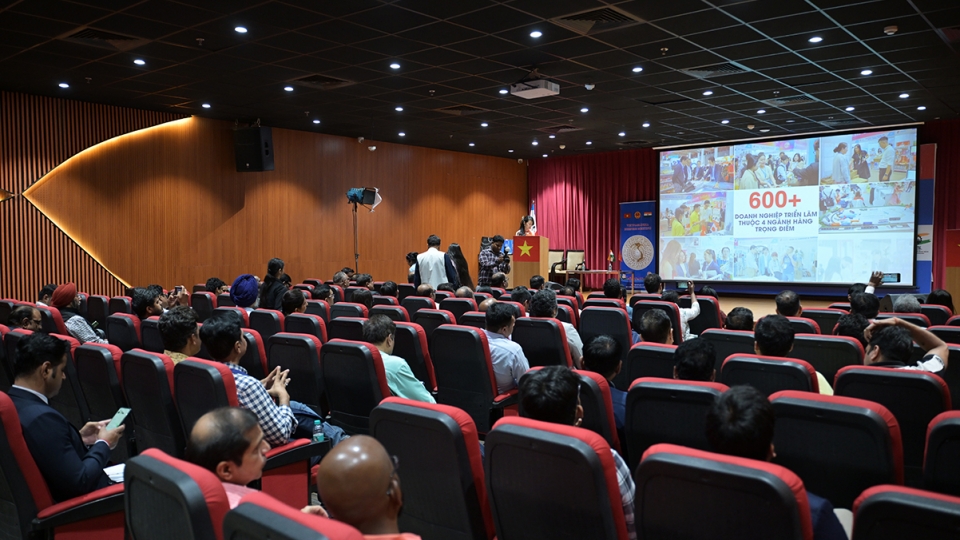
Vietnam and India promote digital economy cooperation, target US$25bln in trade
VOV.VN - A forum on “Vietnam–India Digital Economy and Cross-Border E-Commerce” held in Uttar Pradesh on May 18 is expected to open a new phase of cooperation between Vietnam and India in digital trade, fintech, artificial intelligence, and logistics, as the two countries target US$25 billion in bilateral trade by 2030