Vietnam exports surge over 17% in Q1 despite Middle East tensions

Despite mounting global headwinds, particularly escalating geopolitical tensions in the Middle East, Vietnam’s exports remained resilient in the first quarter of 2026, reaching nearly US$100 billion, up more than 17% year-on-year.
The strong start to the year came amid a wave of disruptions triggered by conflict in late February, which drove up fuel prices, strained logistics chains and dampened global demand. Yet export performance stayed robust, with total turnover hitting nearly US$97 billion by mid-March, 17.1% higer than the same period last year.
Key export drivers included electronics and high-tech goods. Shipments of computers, electronic products and components surged by over 40%, while phones and related parts rose by 23.1%, and machinery and equipment exports up 18.2%.
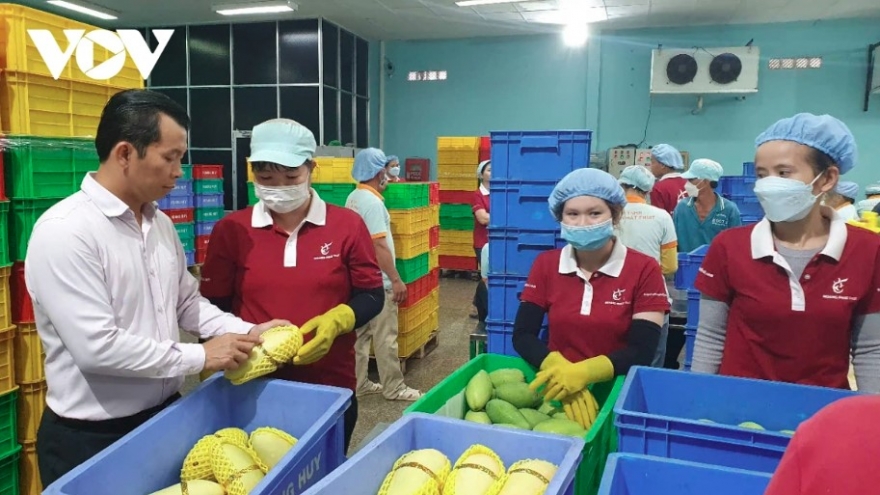
In the agriculture, forestry and fisheries sector, export revenue reached US$16.69 billion in the first quarter, up 5.9% year-on-year, generating a trade surplus of US$4.78 billion. Agricultural products remained the main pillar, with exports of US48.93 billion, up 4.1%.
Notably, livestock products recorded the fastest growth, jumping more than 54% to US$197.7 million, reflecting improving competitiveness and market expansion.
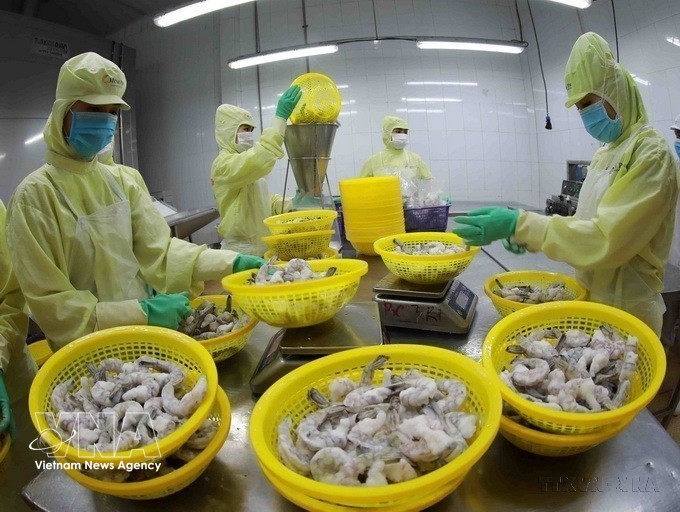
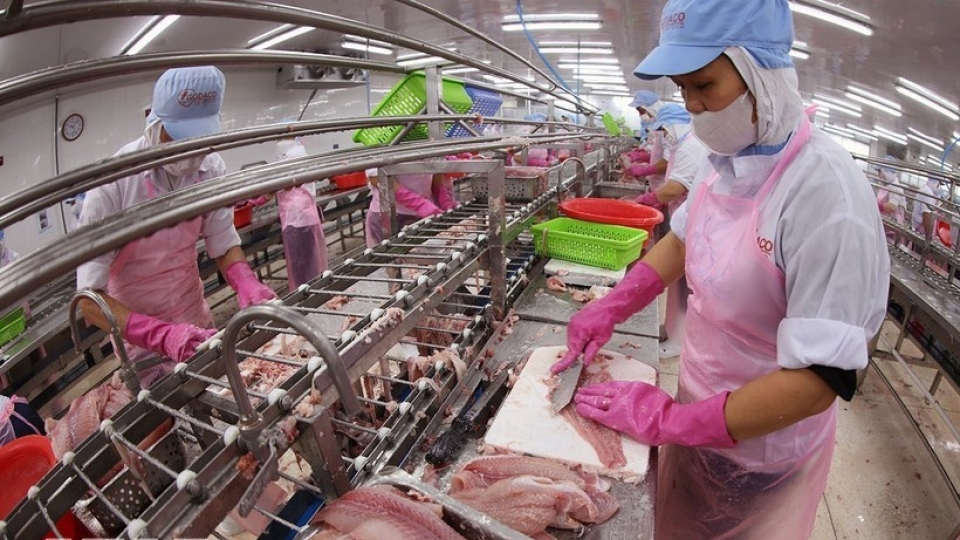
Seafood exports maintained a steady upward trend, rising 13.3% to US$2.62 billion, while forestry products slipped slightly due to weaker global demand.
The export momentum mirrors the pattern seen in 2025, when Vietnam’s total trade turnover hit a record US$930 billion despite global uncertainties such as inflation, exchange rate volatility and rising trade barriers.
Le Hang, Deputy Secretary-General of the Vietnam Association of Seafood Exporters and Producers (VASEP), said last year, the fisheries sector faced multiple challenges, including new reciprocal tariffs from the US and stricter regulations on traceability and the protection of marine mammals under its Marine Mammal Protection Act (MMPA), which emerged as the biggest hurdle to seafood exports.
At the same time, the EC’s ‘yellow card’ warning against Vietnamese seafood exports remains in place, continuing to hinder wild-caught seafood exports in accessing high-end markets. Exchange rate volatility, a rebound in logistics costs, and intensifying competition from rivals have also put significant pressure on the profit margins of Vietnamese enterprises, she added.
Businesses have responded to rising costs and supply chain disruptions by diversifying markets, renegotiating contracts and shifting toward higher value-added products. For instance, exporters have increased production of processed goods with longer shelf life to cope with extended shipping times and fluctuating demand.
Some sectors have even capitalised on market shifts. Fertiliser producers, for example, have ramped up exports to benefit from rising global prices, while others such as coffee exporters are taking advantage of price fluctuations to optimise inventory strategies.
However, challenges remain. Certain products, including rice and coffee, have yet to see significant growth, while stricter standards in key markets are requiring Vietnamese exporters to further improve quality, traceability and compliance.
Experts say stronger policy support will be needed to sustain export growth. This includes boosting investment in infrastructure, encouraging private sector participation, and promoting deeper processing to enhance product value.
Agro-forestry-fishery exports rise nearly 6% in Q1
Vietnam’s agro-forestry-fishery exports reached US$16.69 billion in the first three months of 2026, up 5.9% year-on-year, announced a regular press briefing held by the Ministry of Agriculture and Environment in Hanoi on April 1.