Vietnam emerging as hub for high-value manufacturing, services

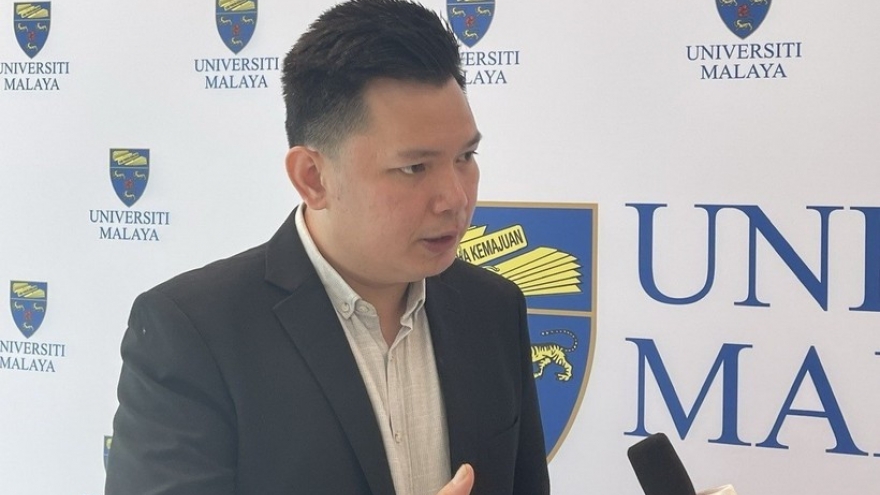
Vietnam is entering a decisive stage of economic maturation, marked by a structural shift from large-scale manufacturing toward higher value-added production and increasingly sophisticated services, according to Shan Saeed, Global Chief Economist at Malaysia-based international real estate technology group IQI Juwai.
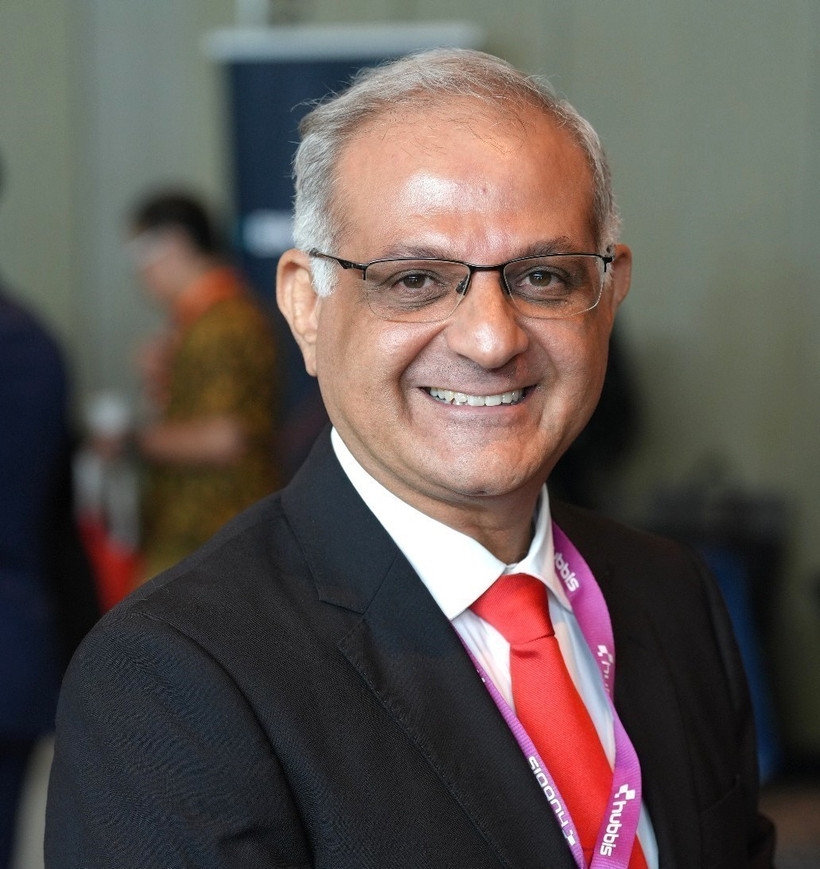
Citing Vietnam’s consistently strong real GDP growth of 7-8% annually, merchandise exports exceeding US$355-380 billion, and average annual foreign direct investment inflows of US$35-40 billion, Saeed affirmed that Vietnam has consolidated its position as one of ASEAN’s most resilient growth engines and most attractive investment destinations.
He noted that Vietnam’s competitive edge is no longer driven primarily by expanding production capacity, but by structural upgrading. High-tech manufacturing of electronics, semiconductors, precision engineering, and advanced components now accounts for more than 30% of total manufacturing output.
Electronics exports alone have surpassed US$120 billion, enabling Vietnam to overtake several regional peers, including Thailand, in key electronics segments, while gradually narrowing the technology depth gap with Malaysia, one of ASEAN’s most advanced manufacturing hubs. Vietnam’s rapid integration into electric vehicle supply chains and advanced manufacturing has further strengthened its competitive position relative to Indonesia, where commodity-linked production still dominates.
At the same time, high-value services are expanding rapidly, accelerating Vietnam’s transition toward a multi-engine growth model. The service sector now contributes about 42% of GDP, reflecting its growing role alongside manufacturing. With more than one million IT professionals, Vietnam’s IT and digital services sectors continue to post double-digit growth and increasingly resemble the service-led development path seen in the Philippines.
The added value of the logistics sector is also improving, supported by sustained investment in deep-sea ports, expressways, and industrial corridors, positioning Vietnam as a regional supply chain coordination hub rather than merely an assembly base. Financial services, fintech, and cross-border trade finance are likewise gaining momentum as capital markets deepen and regulatory frameworks mature.
However, Saeed cautioned that the shift toward higher value creation carries execution risks. Sustaining momentum will require continued investment in skilled human capital, greater reliability of power infrastructure for advanced manufacturing, and well-sequenced regulatory reforms to prevent bottlenecks as Vietnam moves further up global value chains.
Strategic focus on margin expansion, targeted incentives for research and design, stronger intellectual property protection, accelerated digitalisation of customs and logistics, and the attraction of global centres of excellence in software, cybersecurity, and finance could, if implemented with policy consistency and institutional discipline, enable Vietnam to evolve from the “factory of ASEAN” into a command centre for high-value manufacturing and services, strengthening long-term resilience and prosperity.

Vietnam affirms its position and role in the region, says Malaysian expert
VOV.VN - The upcoming official visit of National Assembly (NA) Chairman Tran Thanh Man to Malaysia underscores the significance of bilateral relations and Vietnam’s commitment to common development in the region.