Vietnam–EFTA trade deal opens new opportunities after 14 years of negotiations

VOV.VN - Vietnam’s free trade agreement with the European Free Trade Association (EFTA) opens up new prospects for exports and investment, with tariff commitments offering wider market access while placing greater demands on businesses to meet high standards.

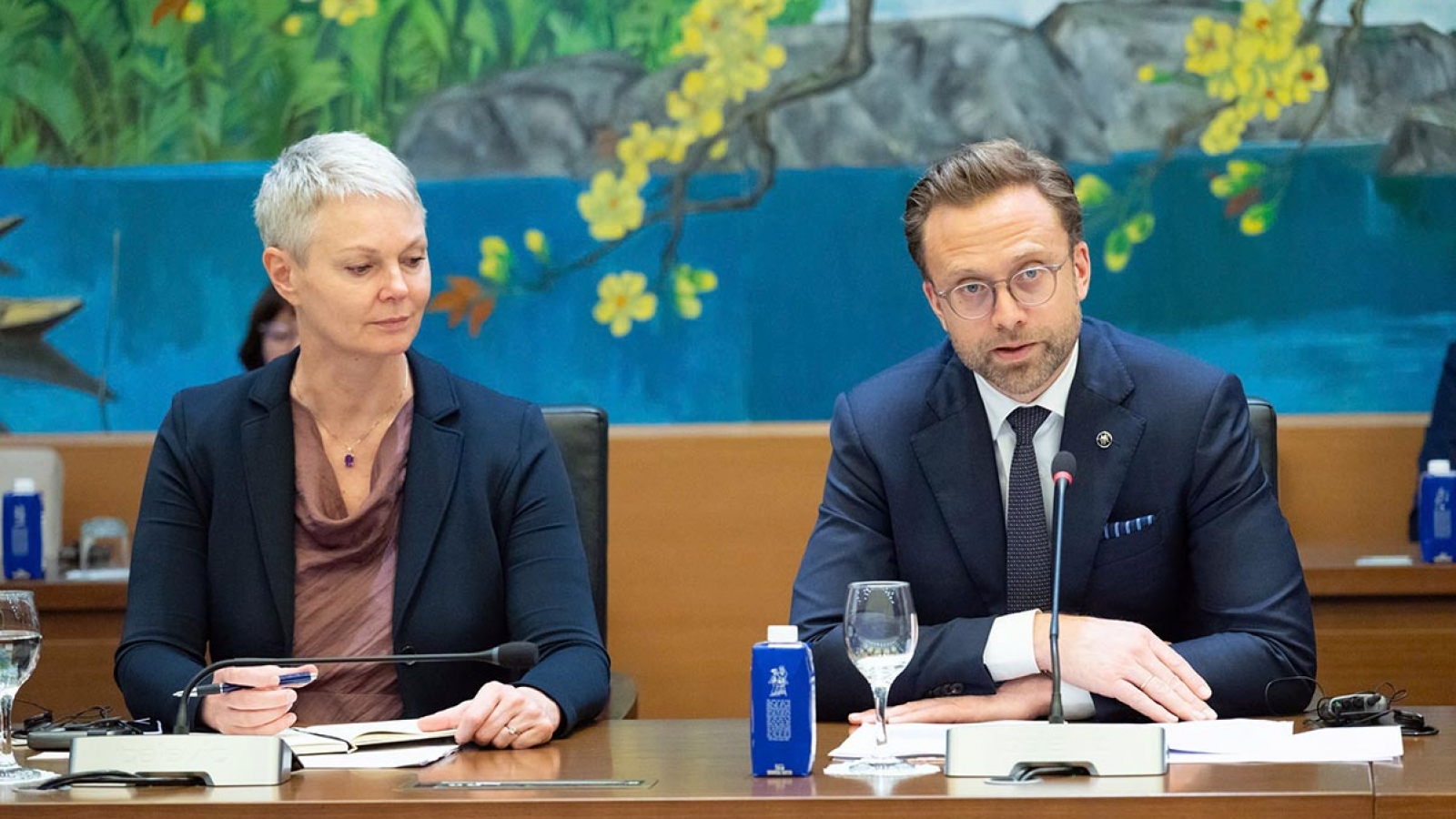
Vietnam and the four member states of the European Free Trade Association (EFTA) - Switzerland, Norway, Iceland and Liechtenstein – are to sign a free trade agreement (FTA) in Hanoi on October 18, marking a milestone in a negotiating process that began in 2012 and concluded in July 2026.
The agreement provides a framework for expanding trade and investment ties with the four developed European economies with strong purchasing power and high standards for products and business practices.
Beyond tariff reductions, the deal reflects the potential for closer economic links between Vietnam, a major manufacturing and exporting economy in Asia, and EFTA members with strengths in technology, machinery, pharmaceuticals, finance and innovation.
A 14-year journey to a comprehensive trade deal
Negotiations were launched in 2012 but stalled in 2018 after 16 rounds, before resuming in Geneva on September 8, 2025. The two sides subsequently held five more rounds of negotiations, culminating in intensive technical discussions in Reykjavík, Iceland, in June 2026.
On July 2, Vietnam and EFTA announced the conclusion of negotiations following the EFTA ministerial meeting in Iceland. The two sides had completed 21 official negotiating rounds in total. The agreement covers trade in goods and services, rules of origin, investment, intellectual property, technical barriers to trade, sanitary and phytosanitary measures, government procurement, competition, small and medium-sized enterprises, and sustainable development.
The tariff commitments are among the agreement’s most tangible benefits. Under the deal, EFTA members have committed to immediately eliminating tariffs on more than 90% of tariff lines, covering 99.5% of Vietnam’s exports to the bloc. The commitments include the immediate elimination of tariffs on industrial products and seafood.
Vietnam, in turn, has committed to eliminating tariffs on more than 86% of tariff lines, accounting for 99.9% of imports from EFTA, either immediately or according to schedules ranging from three to 15 years. The commitments are expected to expand market access for both sides, although the timing and extent of tariff benefits will vary by product.
Trade and investment: opportunities and challenges ahead
The agreement builds on an established and growing commercial relationship. Bilateral trade between Vietnam and EFTA reached EUR4.8 billion in 2025, with Vietnam recording a trade surplus of EUR2.5 billion. The figures exclude Switzerland’s gold trade, according to Vietnam’s Ministry of Industry and Trade.
Vietnam’s main exports to the bloc include electrical machinery, footwear, apparel and mechanical machinery. EFTA’s major exports to Vietnam are electrical and mechanical machinery, pharmaceuticals and seafood. This trade structure points to scope for Vietnamese exporters to expand their presence while local manufacturers gain access to equipment and other inputs from EFTA markets.
For Vietnamese businesses, improved tariff access could support exports of textiles and garments, footwear, seafood, computers, electronic products and components, machinery and equipment. The agreement also provides a basis for exploring opportunities in agricultural products, including rice, honey, fruit and vegetables, subject to the relevant tariff schedules and market-entry requirements.
The potential benefits extend beyond merchandise trade. Closer economic ties could create opportunities to attract investment and strengthen cooperation in high technology, advanced manufacturing, clean energy, innovation and the green transition. EFTA’s strengths in technology and finance could complement Vietnam’s manufacturing base and its efforts to move towards higher-value production.
However, better market access alone will not guarantee stronger exports. Businesses will need to understand the rules of origin, comply with technical and food-safety requirements, ensure traceability and meet increasingly demanding environmental and sustainability standards. They will also need reliable market information and the capacity to compete on quality, delivery and product value.
The signing marks an important step, but it is not the end of the process. The agreement must proceed through the applicable domestic procedures before entering into force, and the timing of tariff benefits will depend on its implementation provisions.
For Vietnam, the longer-term opportunity lies in using the FTA not only to diversify export markets, but also to improve product quality, deepen integration into international value chains and attract investment that supports sustainable growth. The extent to which these opportunities translate into tangible gains will depend on how effectively businesses and relevant agencies prepare for implementation.
EFTA FTA opens new opportunities for Vietnam's seafood exports
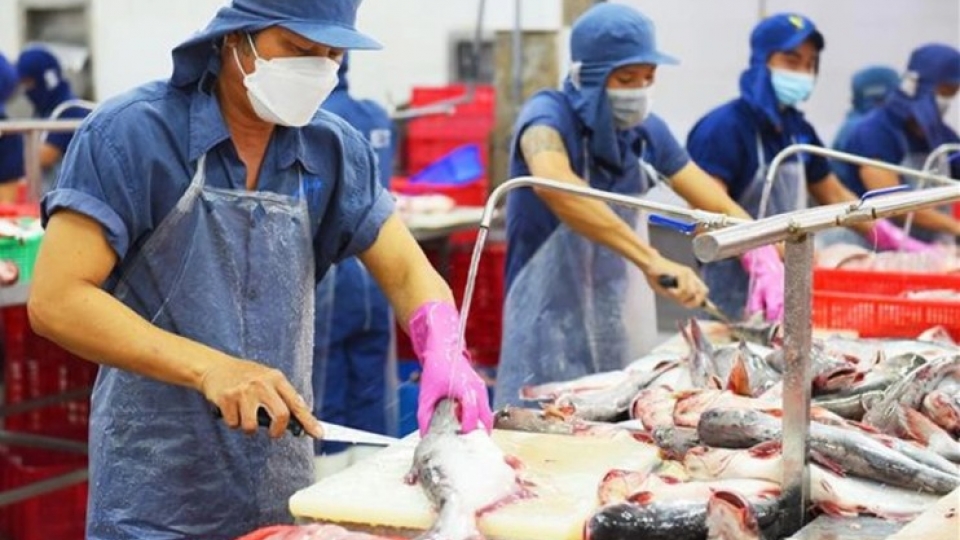
VOV.VN - The conclusion of negotiations on a free trade agreement (FTA) between Vietnam and the European Free Trade Association (EFTA) opens new opportunities for Vietnam's seafood industry to access markets with strong purchasing power and stringent standards.