
Vietnam-China economic ties reach unprecedented level

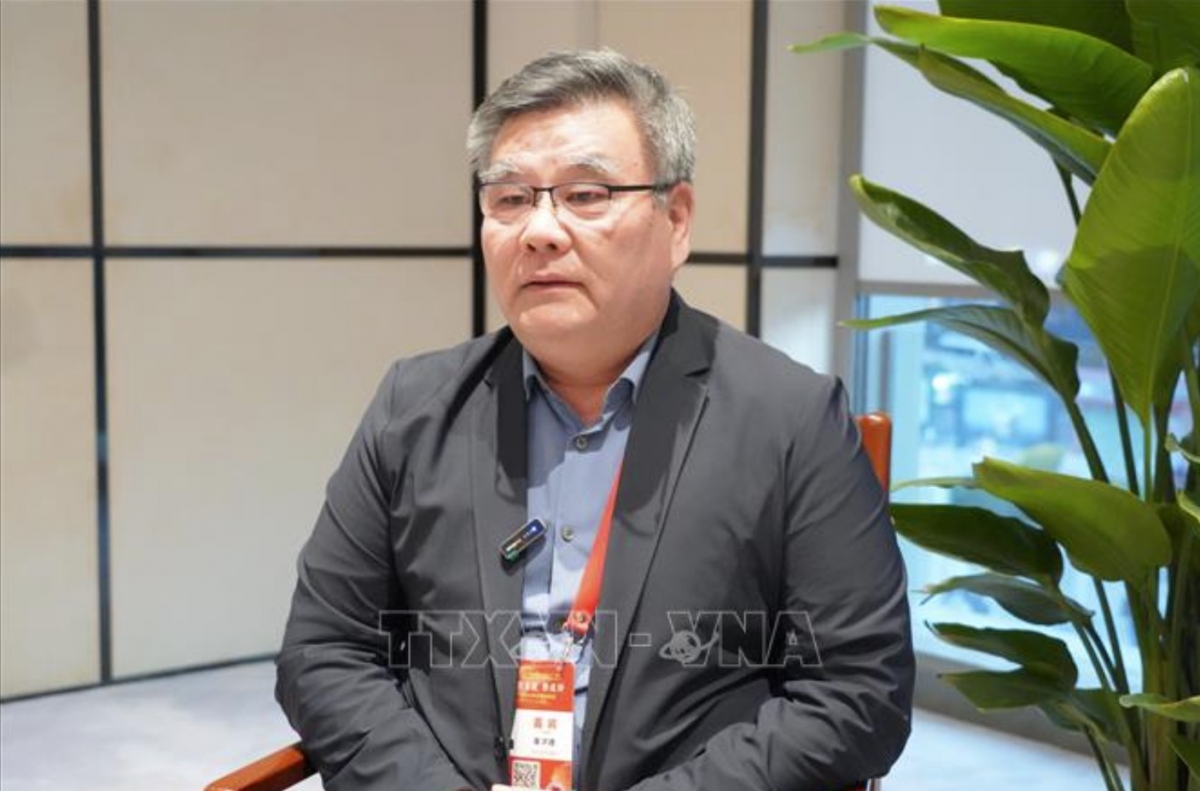
VOV.VN - Professor Cui Hongjian of the Academy of Regional and Global Governance at Beijing Foreign Studies University has offered in-depth assessments of the current state and prospects of economic and trade cooperation between Vietnam and China as regional and global developments grow increasingly complex.
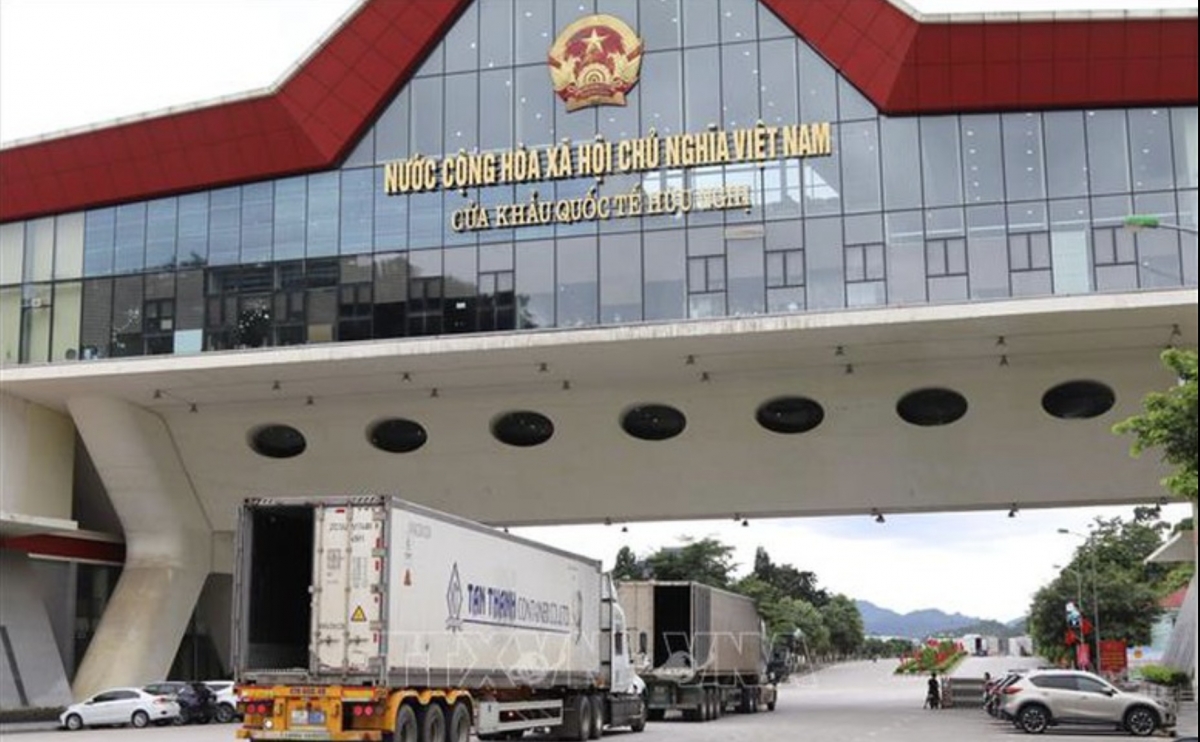
According to Professor Cui, economic ties between Vietnam and China in recent years have recorded growth at an unprecedented pace, becoming one of the key drivers behind cooperation between China and the Association of Southeast Asian Nations (ASEAN). He noted that Vietnam is not only a major trading partner but also a pivotal link in regional supply chains.
Reviewing more than two decades since the signing of the China-ASEAN Free Trade Area (CAFTA), Professor Cui said bilateral trade between the two sides has expanded dramatically. From just over US$40 billion in 2000, China-ASEAN trade has grown nearly 25-fold, reaching US$980 billion in 2024 and is projected to surpass US$1 trillion in 2025.
Within that framework, Vietnam, with its dynamic economy and rapid industrialization, has emerged as a particularly prominent player. Vietnam-China trade alone reached US$260 billion in 2023, accounting for roughly 25% of total China-ASEAN trade. Professor Cui described Vietnam as an “indispensable partner” within China’s production and trade networks across Southeast Asia.
He pointed to Vietnam’s advantages, including a population approaching 100 million, a young workforce, competitive costs and a fast-expanding export-oriented growth model. The country has integrated deeply into global supply chains in electronics manufacturing, garments, components, wood processing and, more recently, renewable energy.
Professor Cui noted, “Over the past decade, Vietnam has raised per-capita gross domestic product (GDP) to around US$4,500, an achievement well worth recognition.”
He stressed that this progress is inseparable from regional cooperation frameworks such as CAFTA and the Regional Comprehensive Economic Partnership (RCEP), which have strengthened infrastructure connectivity, trade policy coordination and business cooperation, thereby creating more favorable conditions for accelerating bilateral trade.
Professor Cui emphasized that Vietnam and China have developed a “sophisticated division of labor” model within modern supply chains.
Vietnam imports large volumes of raw materials, components and machinery from China, undertakes processing, manufacturing and assembly, and then exports finished products to major markets including the United States, Europe and ASEAN.
This complementary production structure, he said, tightly links the two economies. In many industries, Vietnam specializes in labor-intensive assembly stages, while China supplies technology-intensive components, materials and supporting infrastructure. “This is a mutually beneficial relationship that will continue to deepen under RCEP, the world’s largest unified market,” he added.
He also said that Vietnam still imports electricity from China, mainly via transmission lines from the Guangxi region, to meet rising demand from industrial parks. China’s power supply support has, he said, contributed meaningfully to stabilizing production in Vietnam.
Alongside achievements, Professor Cui candidly pointed to factors that could affect Vietnam–China economic cooperation, particularly escalating strategic competition between the United States and China. He suggested the key response lies in strengthening regional resilience through frameworks such as CAFTA and RCEP. Expanding intra-regional trade, boosting investment and further developing regional markets would help mitigate risks stemming from external tariff measures.
Asked about Vietnam’s development trajectory in the coming period, Professor Cui said Vietnam is one of the fastest-advancing economies in the Greater Mekong Subregion, with its influence within global value chains continuing to grow.
However, he cautioned that an export-led growth model, while highly effective in the early stages, carries inherent vulnerabilities. When production depends heavily on imported inputs and demand from major overseas markets, Vietnam becomes more exposed to global economic volatility, especially during financial crises.
Recalling China’s experience during the 2007-2008 crisis, he said Beijing pursued a decisive shift toward innovation-driven growth, domestic market expansion and technological development. He suggested Vietnam study that approach as it seeks to gradually reduce reliance on purely export-based growth.
Professor Cui further underlined the importance of continued improvements to Vietnam’s business environment, including stronger policy transparency, deeper administrative reform, greater liberalization and facilitation of trade and investment, enhanced capacity to attract high-quality foreign direct investment (FDI), and sustained development of industrial infrastructure.
Vietnam, he observed, has already become a priority destination for many international investors, particularly in electronics, high technology, logistics, energy and textiles. Infrastructure, however, remains a major bottleneck.
He highlighted strong potential for Vietnam-China cooperation in infrastructure development, especially following the recent visit to Vietnam by General Secretary and President of China Xi Jinping, during which the two sides agreed to accelerate plans for cross-border railway connectivity. In addition, road transport, seaports, energy and logistics could all emerge as new growth drivers for Vietnam in the coming period.

China officially agrees to import Vietnam’s fresh jackfruit
VOV.VN - China has officially agreed to allow the import of fresh jackfruit from Vietnam, opening a new avenue for Vietnamese agricultural exports to the Chinese market.
Vietnamese lobster exports to China nearly triple
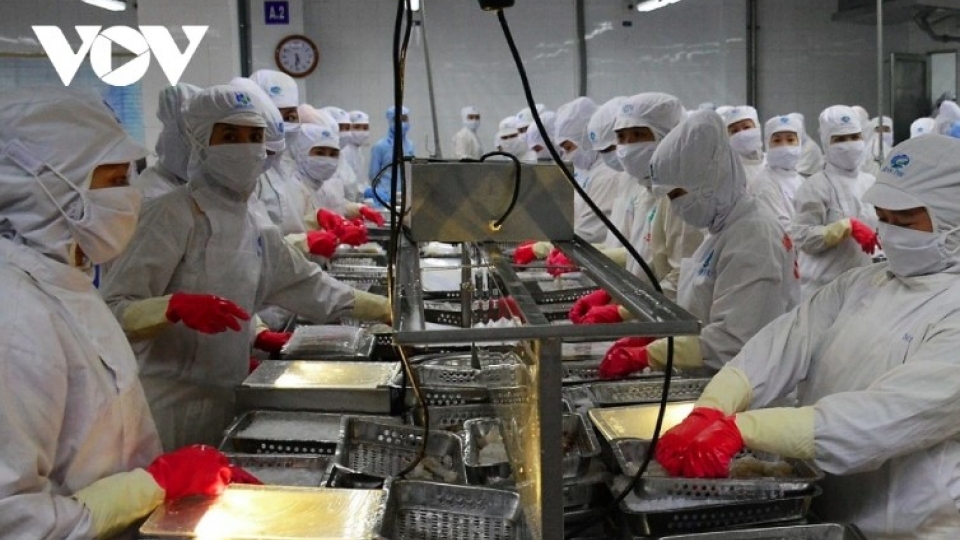
VOV.VN - Vietnamese lobster exports to China and Hong Kong surged over the past ten months of 2025, reaching US$702 million, up 135% from the same period last year and accounting for almost the entire sector, according to Association of Seafood Exporters and Producers (VASEP).
