US fintech startup Tala establishes legal entity in Vietnam

VOV.VN - US fintech startup Tala has officially set up a legal entity in Vietnam and rolled out a lending model in cooperation with partner banks, with a projected credit limit of up to US$100 million over at least three years.
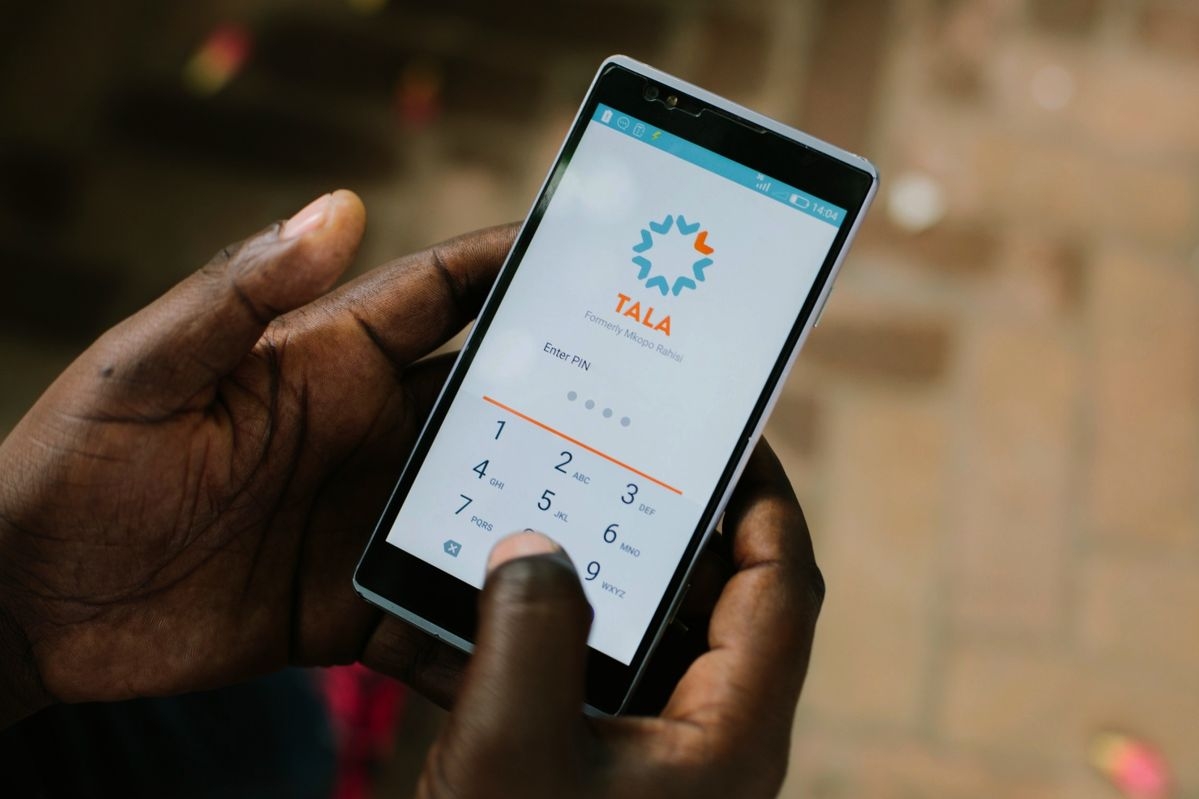
Tala’s move marks a shift in fintech capital flows from indirect investment to direct market participation, amid ongoing restructuring in Vietnam’s consumer credit sector. The firm said it has completed all legal procedures to operate locally, becoming the first US fintech startup to opt for a direct presence rather than investing solely through venture capital funds.
Tala has raised more than US$500 million from major investors, including Google Ventures, PayPal Ventures, Notable Capital, and IVP. Vietnam is the firm’s eighth market, following its expansion in the US, Kenya, Mexico, and the Philippines.
Steven Truong, general director of Tala Vietnam, said the parent company plans to invest about US$5 million in the initial phase to develop its technology platform and build a local workforce.
While the initial investment is modest, the deployment model reflects a long-term strategy. Tala does not lend directly, instead providing the technology platform, with loan capital supplied by its partner bank, Commerce International Merchant Bankers (CIMB).
Under the plan, CIMB will extend a total credit limit of around US$100 million over at least three years to support lending via the Tala application, and the first loans are expected to be disbursed in the first quarter of this year.
In Vietnam, Tala does not operate as a credit institution or finance company, instead acting as a technology intermediary, while partner banks handle loan disbursement and credit risk management.
Under the model, loans are capped at VND30 million with tenors of up to 61 days. Borrowers can repay at any time without early repayment fees and are informed in advance of the maximum total outstanding amount.
Steven Truong said the firm aims to gradually ease the burden of compounding interest, which can cause borrowing costs to far exceed the original principal.
The model enables Tala to expand its market presence without maintaining a balance sheet, while partner banks gain access to new customer segments through data analytics and credit-scoring technology.
Vietnam is home to around 200 fintech companies, most of which operate in banking and payment services. Since mid-2025, the Government has introduced a decree on a controlled testing mechanism, or sandbox, covering fintech solutions such as peer-to-peer lending, credit scoring, and data sharing via Open APIs.
The State Bank of Vietnam has said it is ready to support fintech firms in advancing financial inclusion, while maintaining strict oversight to manage systemic risks.
Against this backdrop, the decision by a US fintech firm to establish a direct presence while partnering with banks—rather than lending independently—highlights a shift in capital flows toward more flexible models that align more closely with the current legal framework.
ADB, Switzerland aid fintech development in Vietnam
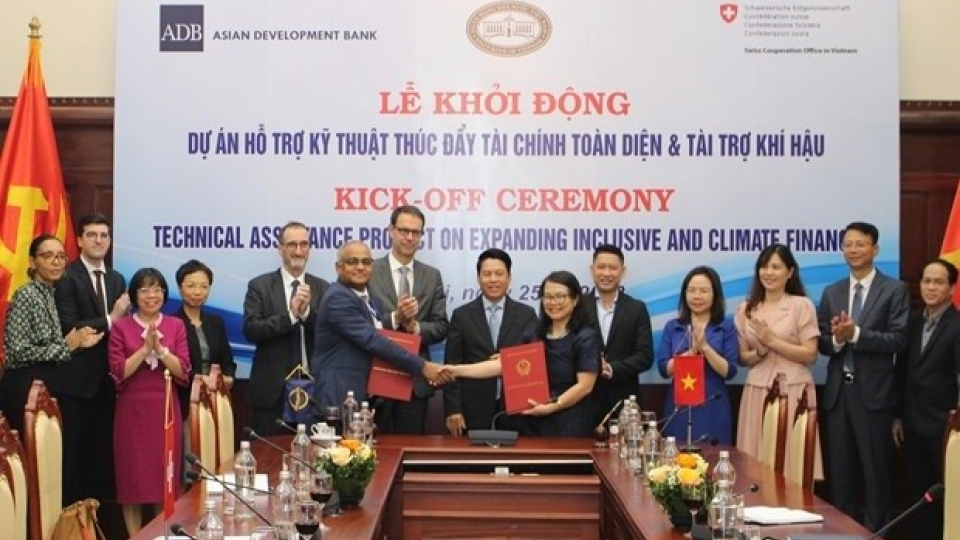
The Asian Development Bank (ADB) and the State Bank of Vietnam (SBV) on October 25 held a kick-off ceremony marking the implementation of the Swiss-funded US$5 million technical assistance, which aims to nurture financial technologies (fintech) serving the improvement of financial inclusion in Vietnam.