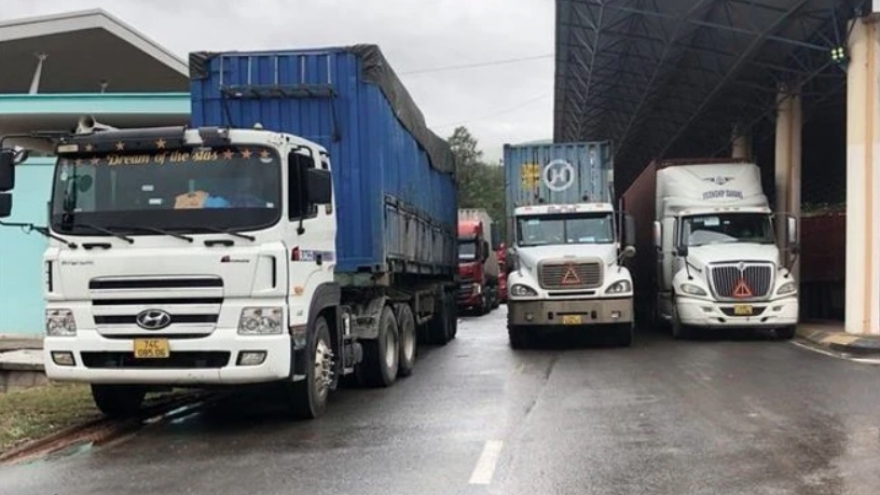
Trade opens 2026 with positive signals despite mixed outlook

VOV.VN - Vietnam’s trade activities have opened 2026 on a relatively positive note, with total import-export turnover exceeding US$39 billion in the first half of January, pointing to early momentum despite ongoing challenges in a changing global context.
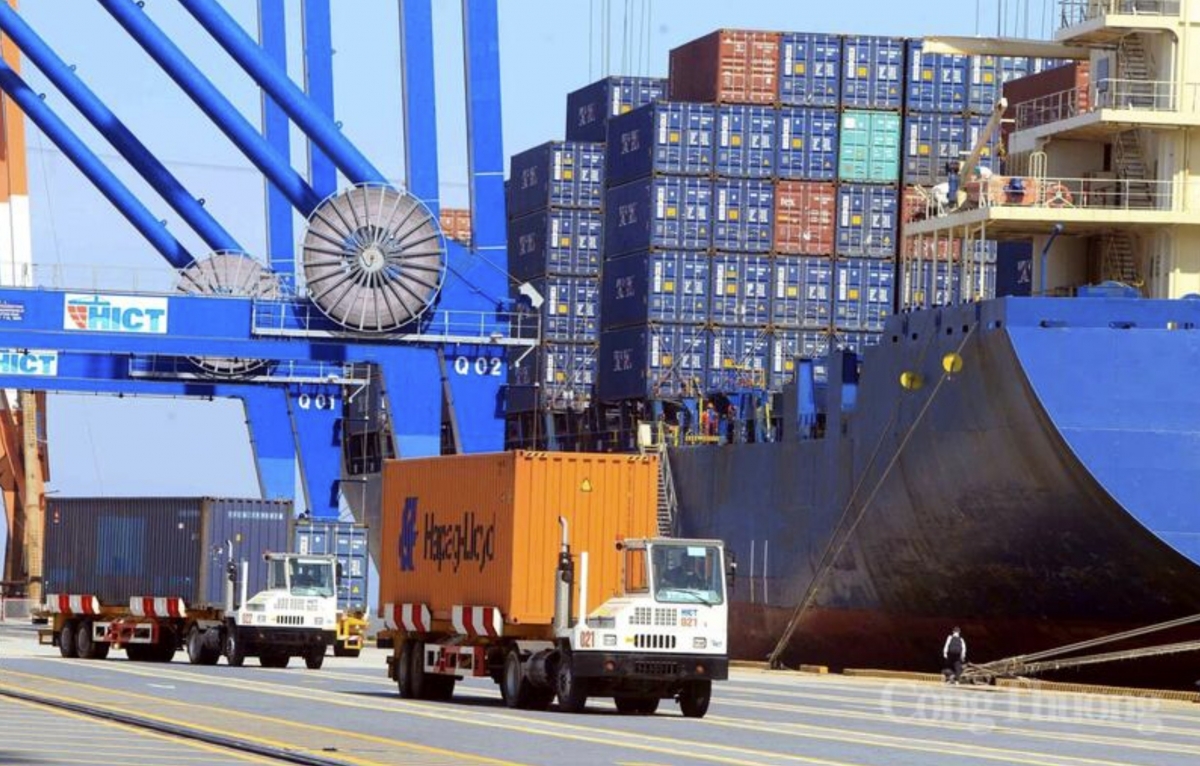
According to data released by Vietnam Customs under the Ministry of Finance, total trade turnover from January 1 to 15 reached US$39.3 billion. While the trade balance recorded a deficit of US$3.3 billion, the figure is considered a good signal at the start of the year, indicating that trade flows have remained active following a record-breaking 2025.
Exports during the period totalled US$18 billion, led primarily by the processing and manufacturing sector and high-tech industries. Computers, electronic products and components remained the backbone of export earnings, generating more than US$4.2 billion. Machinery, equipment and spare parts brought in US$2.1 billion, followed by phones and components at US$2 billion, and garments at US$1.4 billion.
Traditional export items also yielded stable results, with footwear hittingUS$923 million, seafood US$417 million and coffee US$433 million.
Imports amounted to US$21.3 billion, largely consisting of machinery, equipment and input materials for production. Notably, imports of computers, electronic products and components approached US$8 billion, underscoring both Vietnam’s continued reliance on global supply chains and sustained demand for production expansion among businesses early in the year.
Foreign-invested enterprises continued to play a dominant role in trade. In the first half of January, the FDI sector recorded exports of more than US$14 billion, accounting for nearly 78% of total export turnover, while imports reached US$15.3 billion, or almost 72% of the total. The figures once again highlight the need to strengthen domestic enterprises’ capacity to participate more deeply in value chains and gradually reduce dependence on the FDI sector.
Vietnam closed 2025 with a historic milestone, as total import-export turnover surpassed US$930 billion. If double-digit growth seen in recent years can be sustained, the US$1 trillion mark in 2026 is increasingly within reach.
Experts note that the positive signals seen at the beginning of 2026 are underpinned by relatively solid growth in 2025, driven by three main pillars: exports, public investment and tourism.
Speaking at the seminar “Vietnam’s Economic Outlook 2026: Opportunities, Risks and Business Adaptation,” Nguyen Xuan Thanh, a senior lecturer at the Fulbright School of Public Policy and Management, said exports have continued to act as a key growth engine thanks to a commodity structure heavily weighted toward electronics and export-oriented manufacturing. Despite pressures from geopolitical tensions and rising protectionism, Vietnamese goods have maintained competitiveness in several major markets.
Public investment in 2025 also recorded high disbursement rates, particularly in transport and technical infrastructure projects, generating spillover effects for construction, materials and supporting industries. At the same time, tourism rebounded strongly, with international arrivals exceeding pre-COVID-19 levels, thereby boosting services, transport, accommodation and trade. These growth drivers are expected to continue playing a role in 2026.
According to Tran Dinh Thien, former director of the Vietnam Institute of Economics, the rapid issuance and coordinated implementation of multiple resolutions and policies reflects strong determination to improve the business environment and remove barriers facing the private sector. This, he said, provides an important foundation for strengthening business confidence and creating room for medium- and long-term growth.
At the sectoral and local levels, trade performance also shows notable bright spots. Lang Son, a strategic border province, closed 2025 with record import-export turnover exceeding US$95 billion, up 44.6% year-on-year and accounting for more than 10% of the national total.
The implementation of the “smart border gate” model, alongside strong investment in logistics infrastructure, has helped improve customs clearance efficiency, laying a solid foundation for 2026.
In agriculture and fisheries, challenges persist, even as targets for 2026 remain ambitious.
The fisheries sector is aiming for export turnover of US$11.5 billion, while agriculture, forestry and fisheries combined are targeting growth of 6-8%, moving toward US$95-100 billion in the 2026-2030 period.
Behind the positive outlook, experts warn that global trade rules are changing faster than ever. Tariffs and logistics costs are no longer the sole determining factors, as environmental standards, carbon emissions, traceability requirements and supply chain transparency are increasingly shaping market access.
The European Union has begun carrying out the Carbon Border Adjustment Mechanism and stricter anti-deforestation regulations, while the US has tightened control of origin and technology supply chains. These requirements raise compliance costs and are pushing businesses to restructure export strategies toward longer-term sustainability.
Thai Nhu Hiep, Vice Chairman of the Vietnam Coffee and Cocoa Association, said 2026 will no longer be a phase of expansion based on volume. Opportunities, he noted, will favour enterprises that invest systematically in raw material areas, traceability, governance and compliance with international standards.
From a policy perspective, Vietnam’s role as CPTPP chair in 2026 is also seen as an opportunity to reinforce the country’s proactive stance in international economic integration. The Ministry of Industry and Trade has approved an action plan covering coordination mechanisms and agendas for the year, aimed at enhancing connectivity, expanding markets and helping businesses better leverage next-generation free trade agreements.
Overall, early 2026 trade figures indicate a relatively favourable start. Sustaining that momentum over the full year, however, will depend on Vietnamese enterprises’ ability to strengthen internal capacity, adapt swiftly to new trade rules and move higher up global value chains.
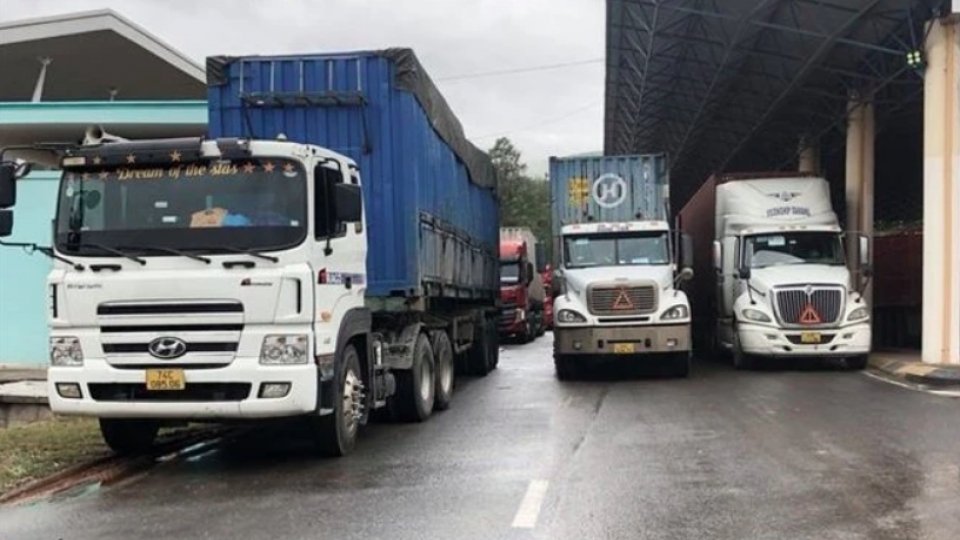
Robust trade activities at border gates signals strong economic start to 2025
Import-export activities at Lao Bao and La Lay international border gates in the central province of Quang Tri have experienced a sharp rise in the early days of the Lunar New Year, indicating a positive economic outlook for 2025.
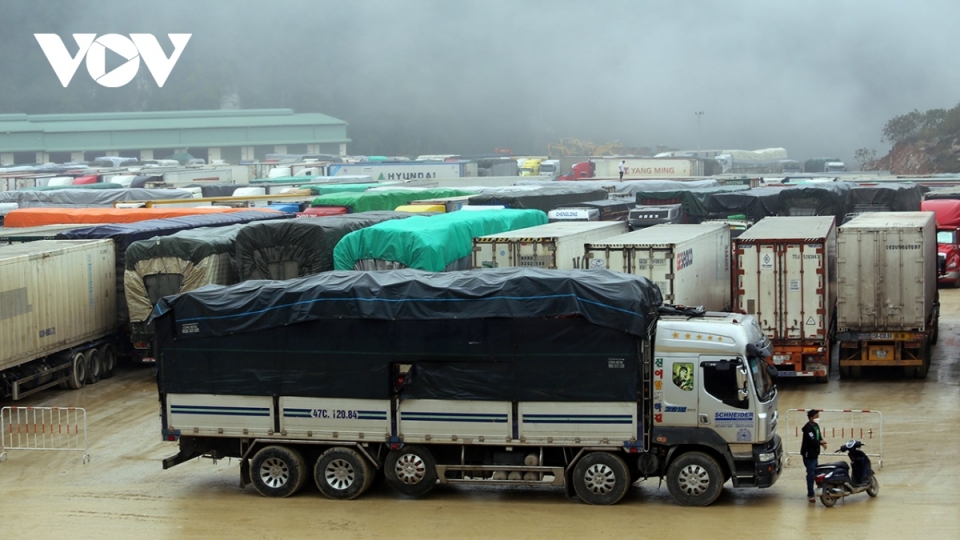
Maintaining growth momentum to push up Vietnamese trade activities
VOV.VN - The success of the nation’s trade activities last year has served to create greater momentum for 2023 and the years ahead, particularly as local enterprises have moved to enhance their internal strength along with receiving additional support from the State.