


Tilapia exports grow amid mixed market trends

VOV.VN - Vietnam’s tilapia exports recorded positive growth during the eight-month period of 2026, raking in US$90 million, up 43% year-on-year, according to the Vietnam Association of Seafood Exporters and Producers (VASEP).
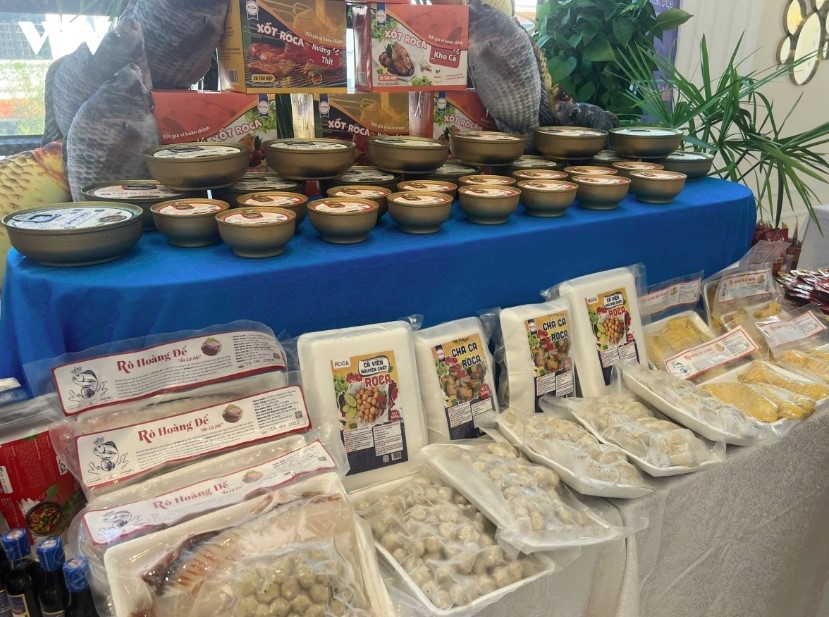
However, performance variations across key markets, highlighted by heavy reliance on specific markets and a steep decline in the US, indicate the sector’s ongoing challenges.
Uneven market performance
Market performance varied significantly across regions throughout the reviewed period. Brazil cemented its status as a core market, with August shipments hitting US$4 million and cumulative earnings through August surging to US$44 million, a sharp increase driven largely by expansion from a low baseline last year. Brazil currently accounts for nearly half of Vietnam's total tilapia export turnover.
In contrast, exports to the US remained sluggish. August shipments dropped 72% to US$2 million, bringing the eight-month total to US$21 million, down 48%. High inventory levels and subdued consumer demand dampened US importer activity in a major consumer hub.
Meanwhile, exports to Saudi Arabia reached US$2 million in August, up 20%, lifting the eight-month total to US$7 million, a 23% increase that anchored Middle Eastern trade growth.
Japan emerged as a notable bright spot, with August exports jumping 192% to US$400,000, pushing the eight-month figure to US$2 million, a 77% surge. Notably, brackish-water tilapia from Vietnam has successfully penetrated Japan's sushi and sashimi segments. Meeting stringent quality standards, water management controls, traceability, and processing requirements demonstrates the product's rising value beyond the commodity market.
Expanding footprints and future outlook
Broader trade blocs also posted positive results. Exports to the Comprehensive and Progressive Agreement for Trans-Partnership (CPTPP) markets grew 50% to US$6 million over the eight months, spearheaded by Japan and Mexico. Meanwhile, export to the EU fetched US$4 million, up 7%, with Belgium serving as the primary driver.
In Europe, tightening supplies and elevated prices for wild-caught whitefish are creating additional room for stably supplied farmed species. Tilapia is increasingly viewed as a viable substitute in select segments, provided it meets strict quality, specification, and certification criteria.
VASEP noted that while the eight-month results show gradual market expansion, heavy market concentration and the sharp contraction in the US underscore the need for resilience. The integration of Vietnamese tilapia into Japan's high-end culinary sectors paves the way for wider entry into other demanding markets. To sustain this momentum, businesses must maintain strict quality control from farming to processing, secure international certifications, ensure full traceability, and fully tap the advantages of brackish-water production.
Building a solid reputation through consistent quality, reliable supply, and market-specific products will provide the foundation for Vietnamese tilapia to transition from mere revenue growth to a sustainable global presence.
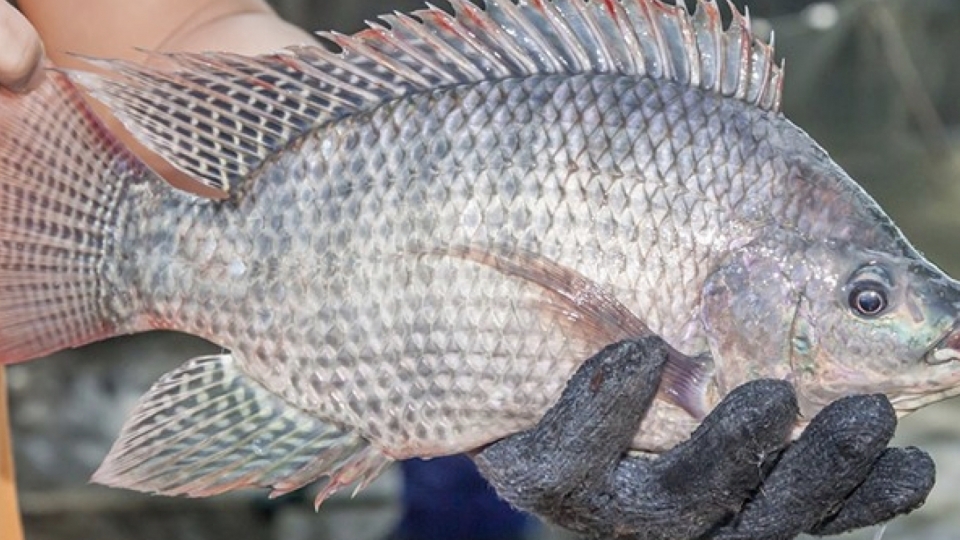
Vietnamese tilapia moves upmarket, gains traction in Japan, US
VOV.VN - Vietnamese tilapia, long regarded as an affordable everyday fish, is moving into higher-value segments as stricter quality standards and growing demand for sushi, sashimi and processed seafood open up new export opportunities, particularly in Japan.


